

EKODA
Not every landmark appears in a guidebook. For Autumn/Winter 2026, EDWIN introduces Neighbourhood Service, a series inspired by the everyday places that quietly define Japan.
Votre navigateur n’est plus pris en charge. Pour une expérience optimale, veuillez télécharger la dernière version de chrome, safari ou firefox
Not every landmark appears in a guidebook. For Autumn/Winter 2026, EDWIN introduces Neighbourhood Service, a series inspired by the everyday places that quietly define Japan.
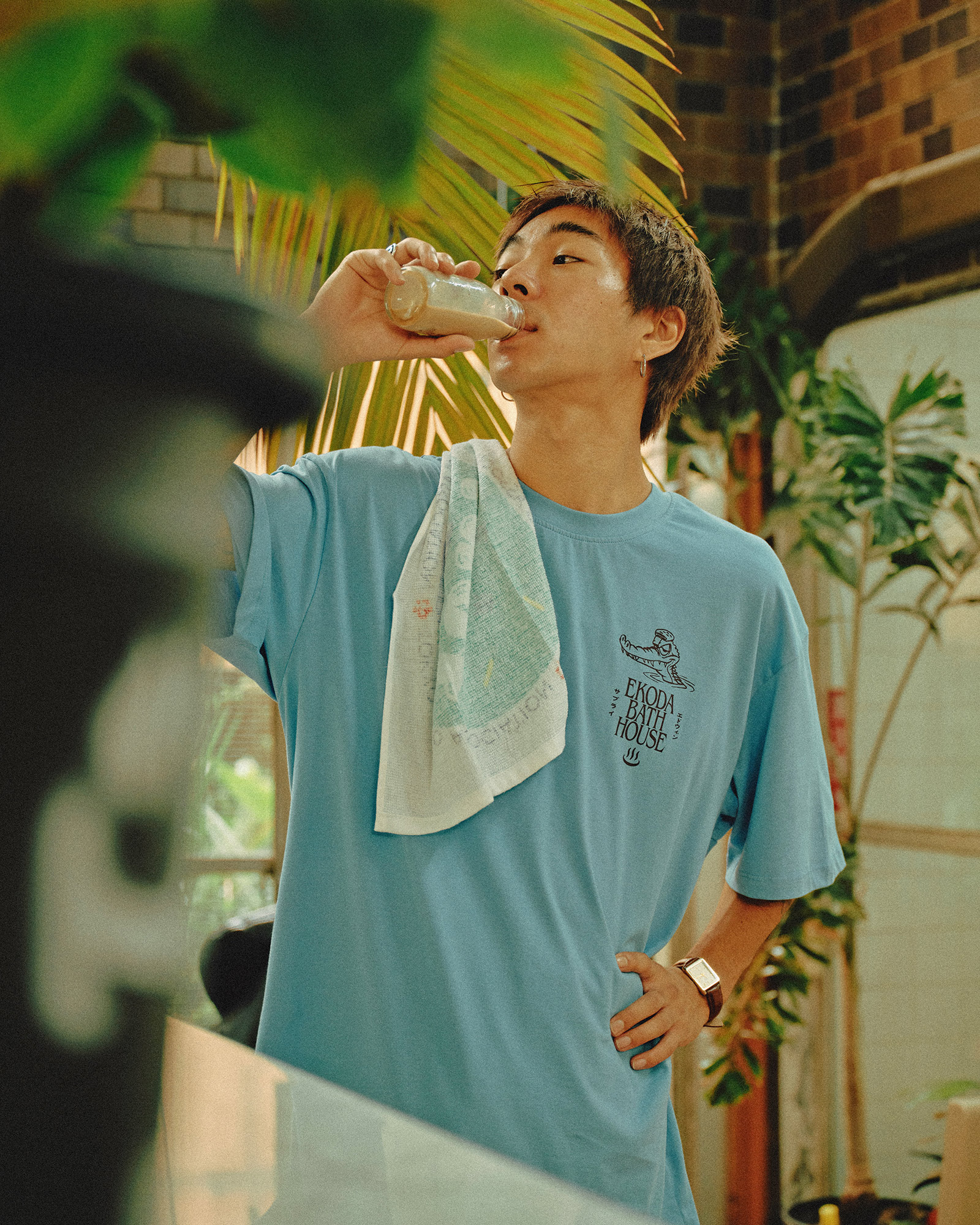
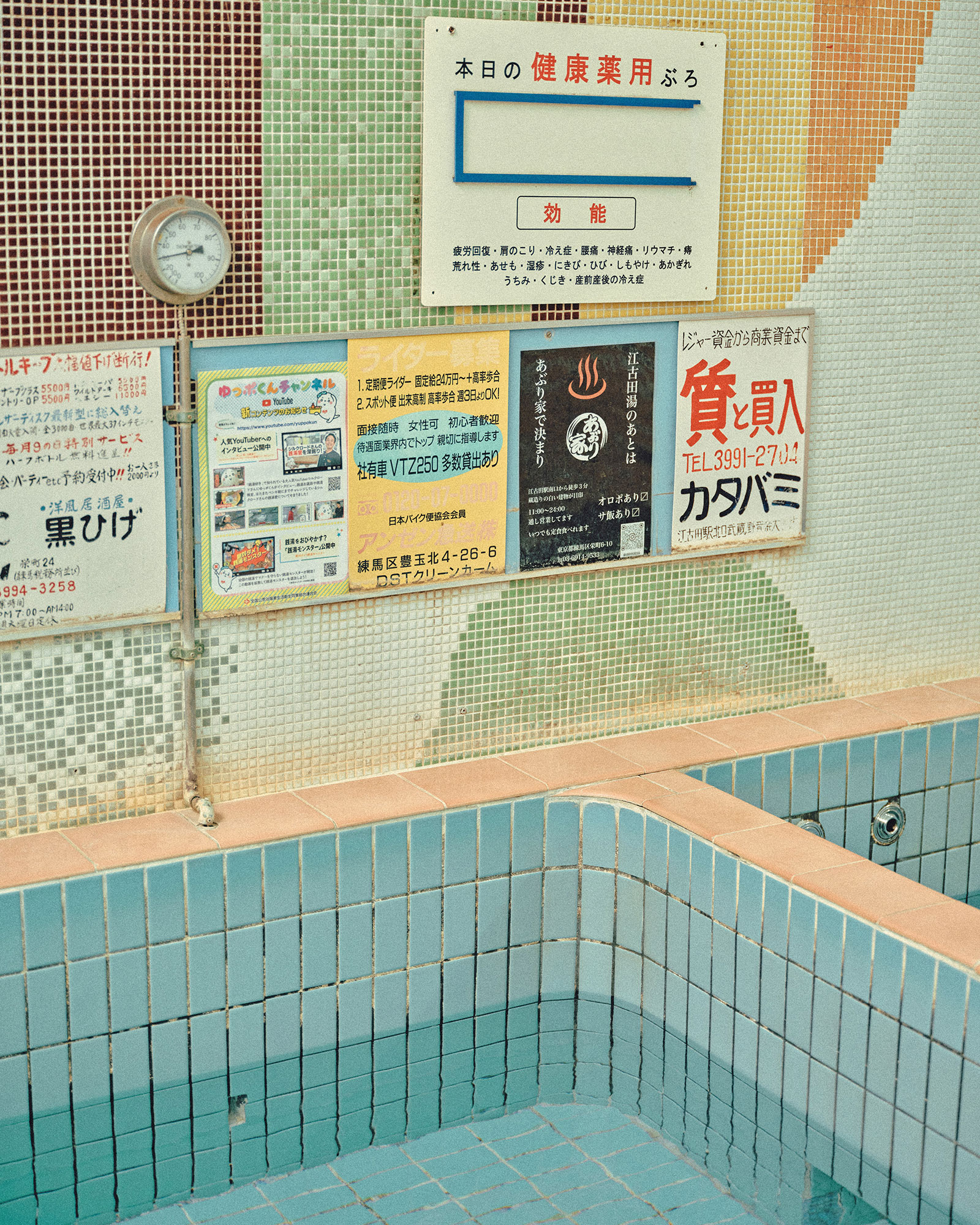
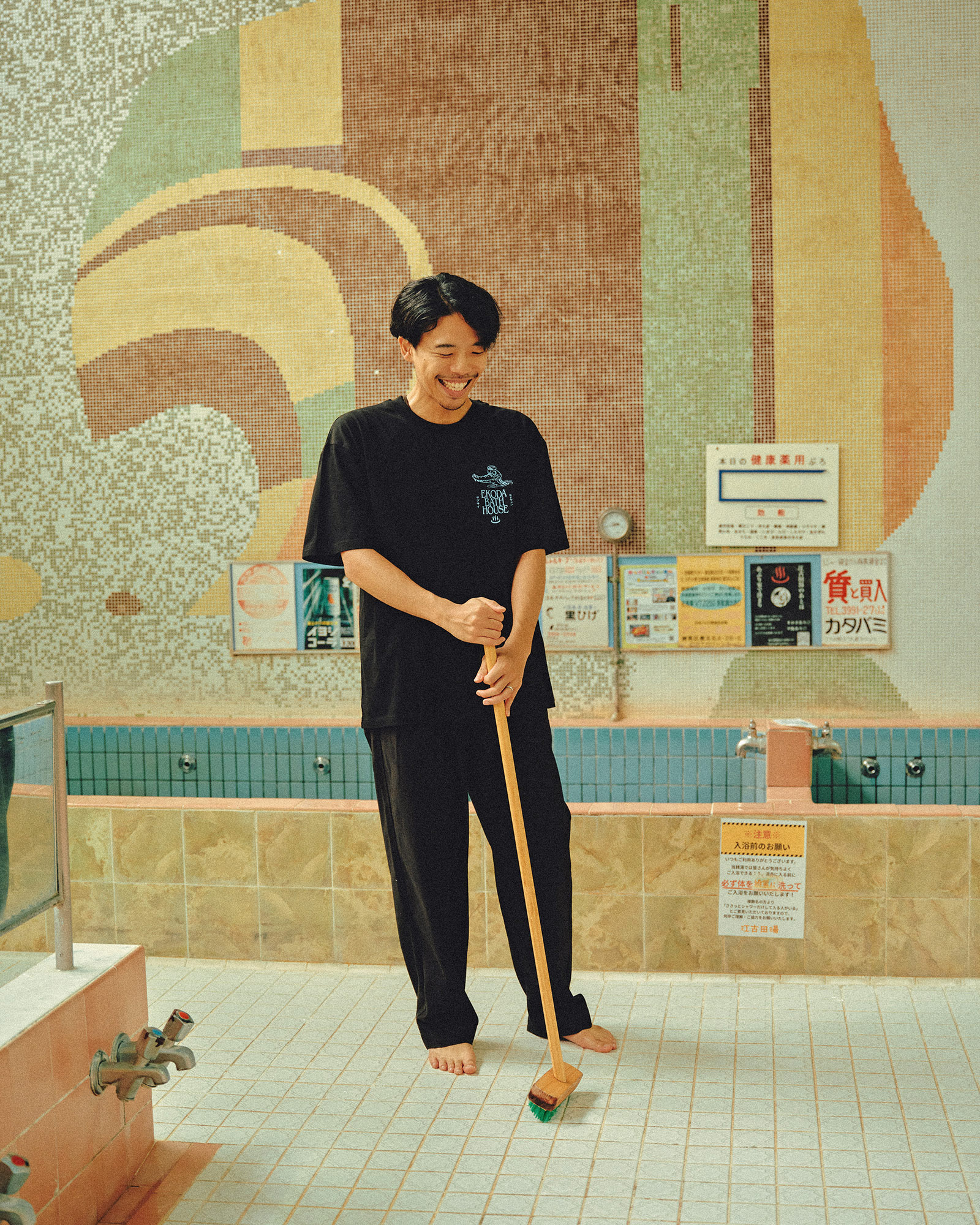
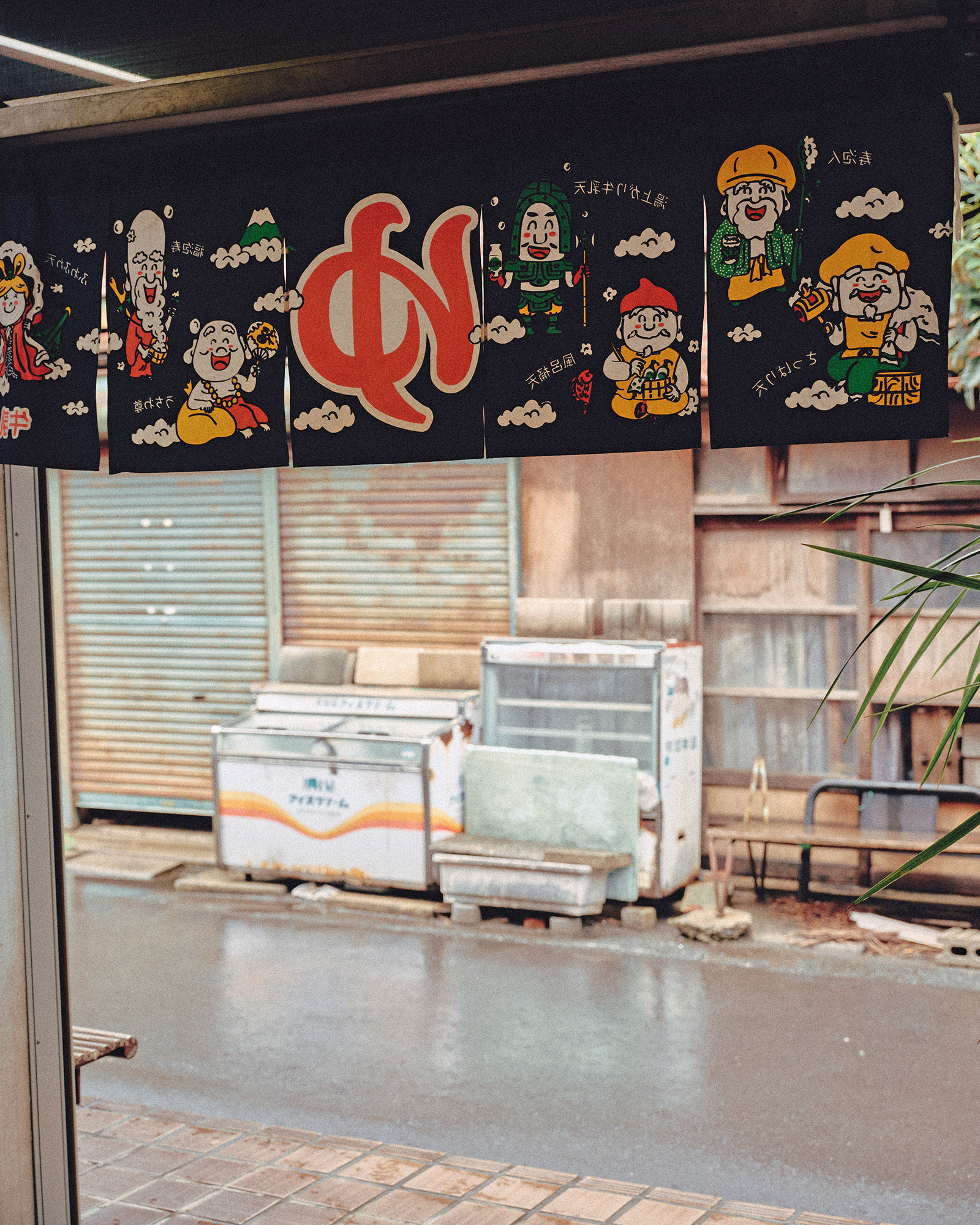
We begin at Ekoda-yu, a family-run bathhouse in Tokyo where three generations continue to keep the fires burning.
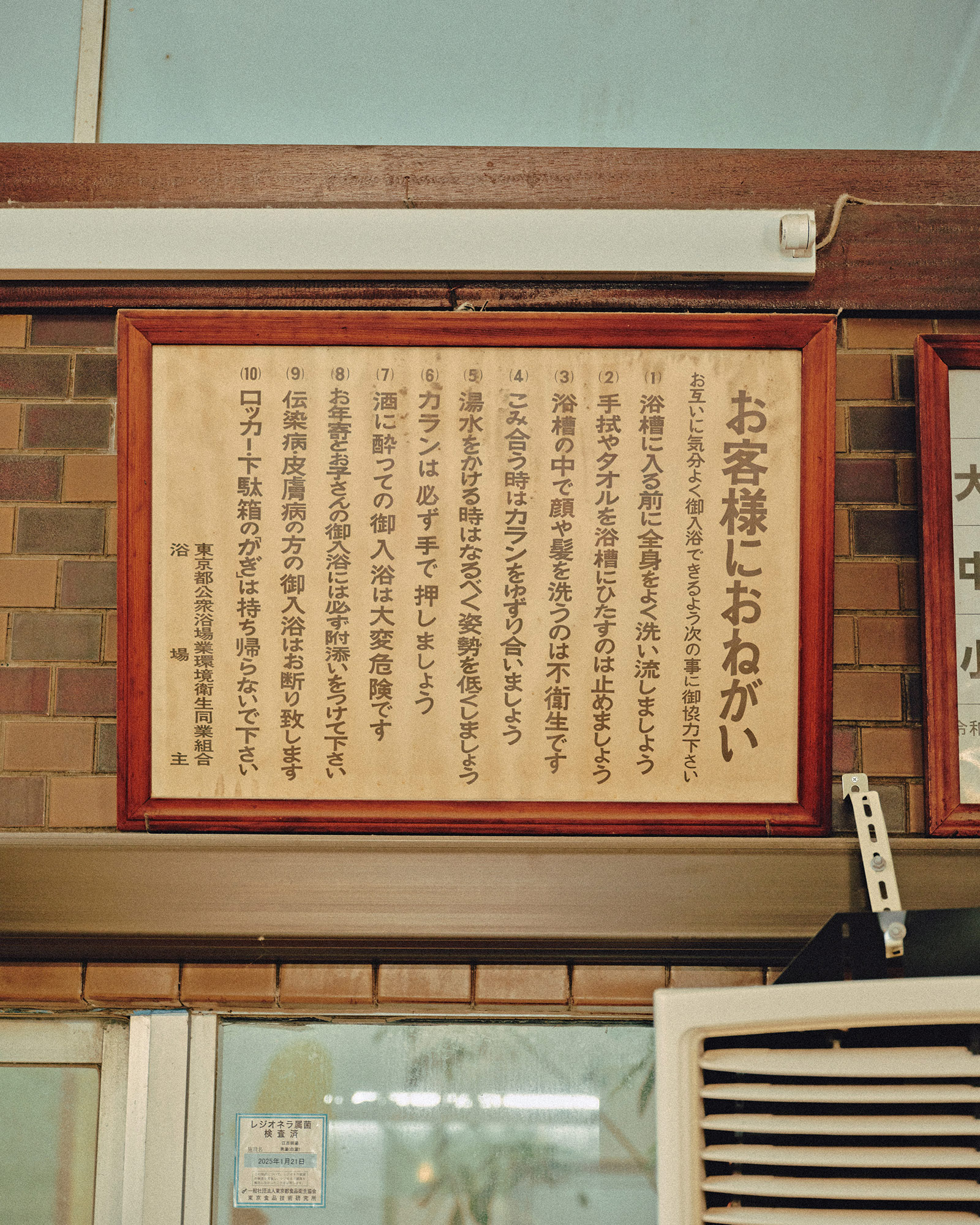
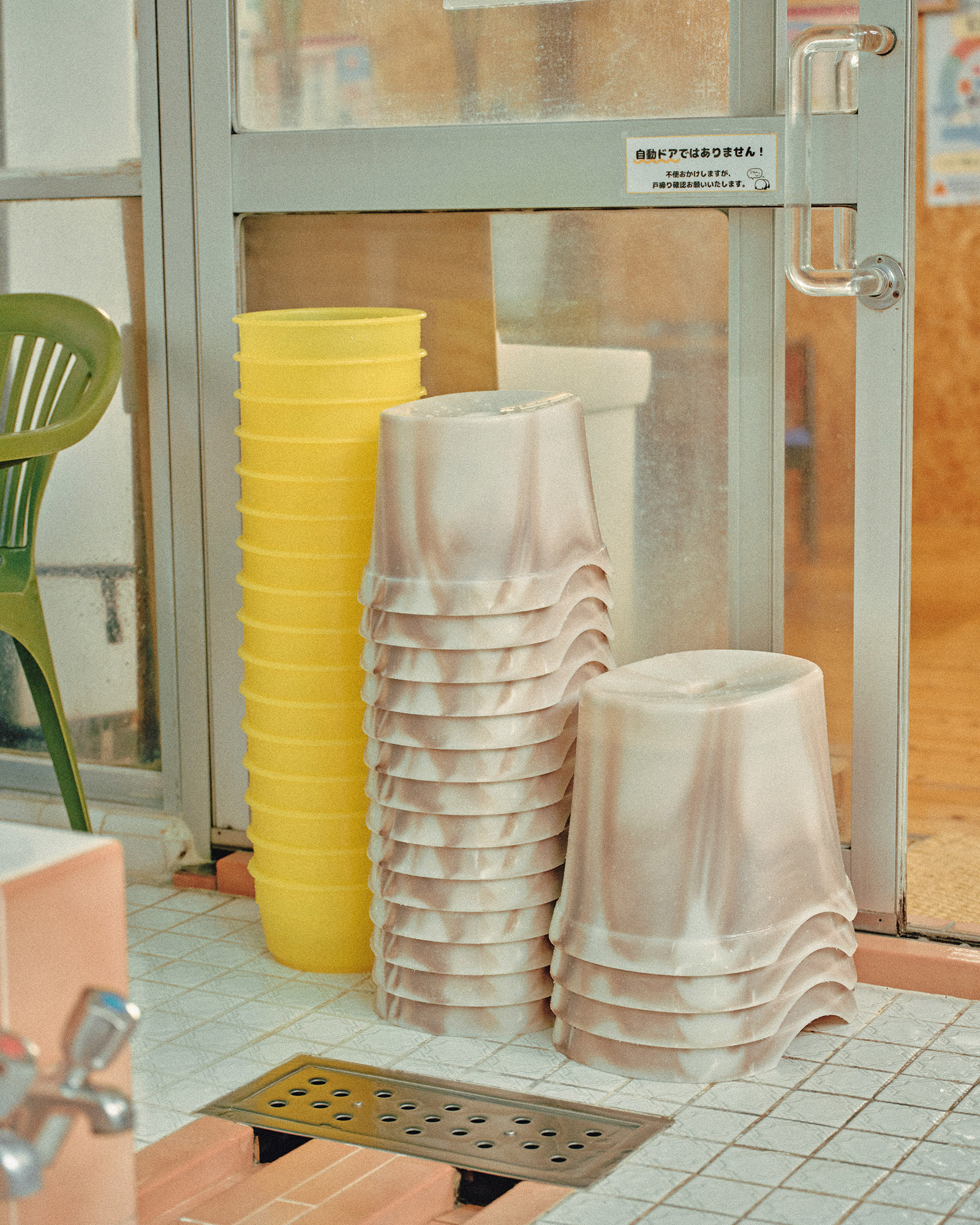
Since opening in 1970, little has changed. The baths are still heated with firewood, the plants continue to grow, and the neighbourhood still gathers under the same roof.
We spoke with Hiromu Hokkyo, the third-generation owner of Ekoda-yu, about carrying on his family's tradition and why places like Ekoda-yu remain as important today as they were more than 50 years ago.
Q. When was Ekoda-yu founded?
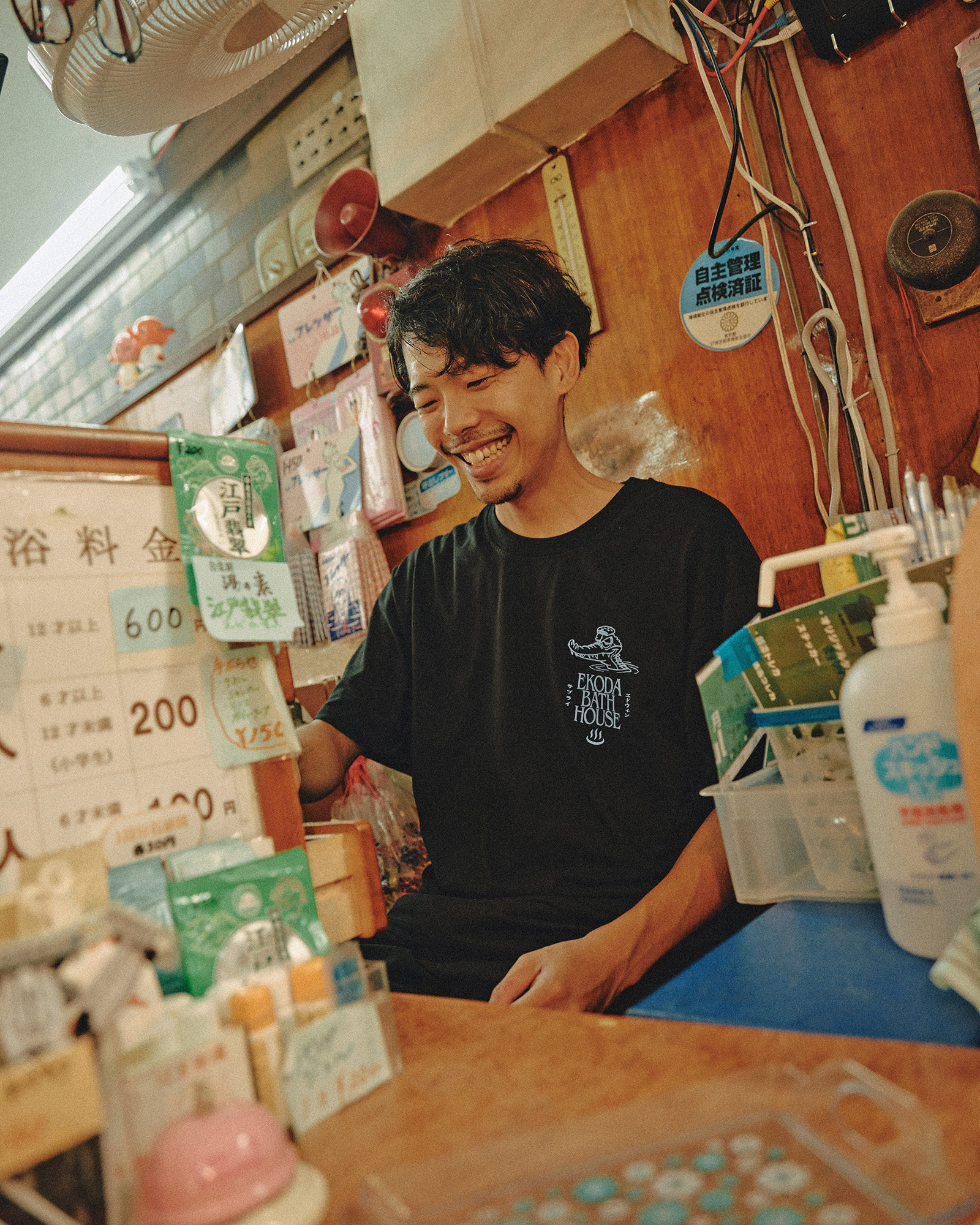
A. We opened in 1970, so this year marks our 56th year in business. My grandfather was the first-generation owner, my father the second, and I'm the third. My grandfather is 92 this year and still actively works here, chopping firewood and manning the reception desk, so three generations of our family are working together at the bathhouse.
Q. Could you describe a typical day?
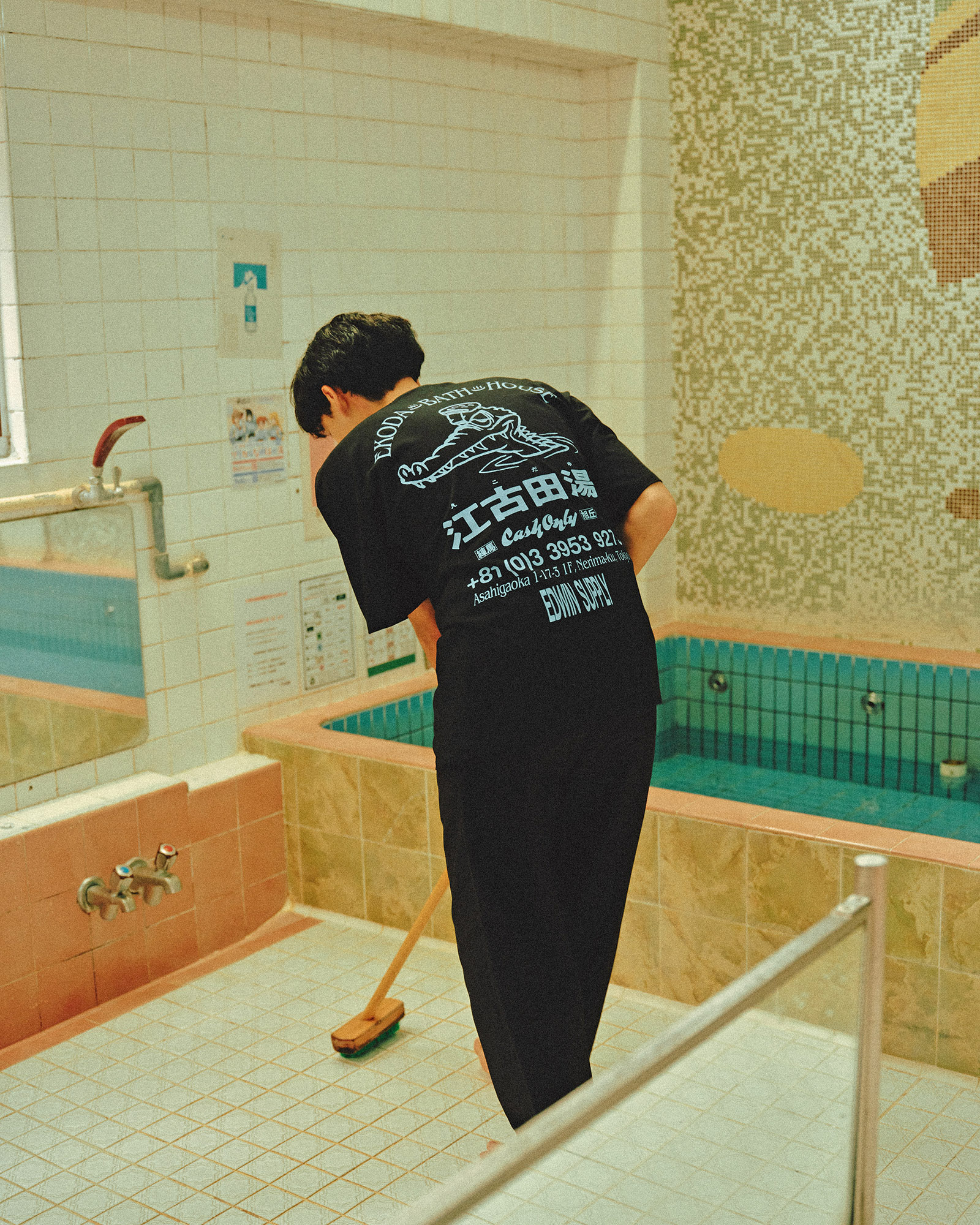
A. My day starts in the morning by cleaning while heating the water. At Ekoda-yu, we've heated the baths with firewood ever since we opened. We use gas at certain times of the day, but the water is still prepared with firewood every morning before we open. We welcome our first customers at 3:00 pm, and from then until we close at 11:00 pm, I'm usually at reception. Before I leave for the night, I water all of the plants.
Q. It's rare to see a public bathhouse with so many plants. How did that come about?
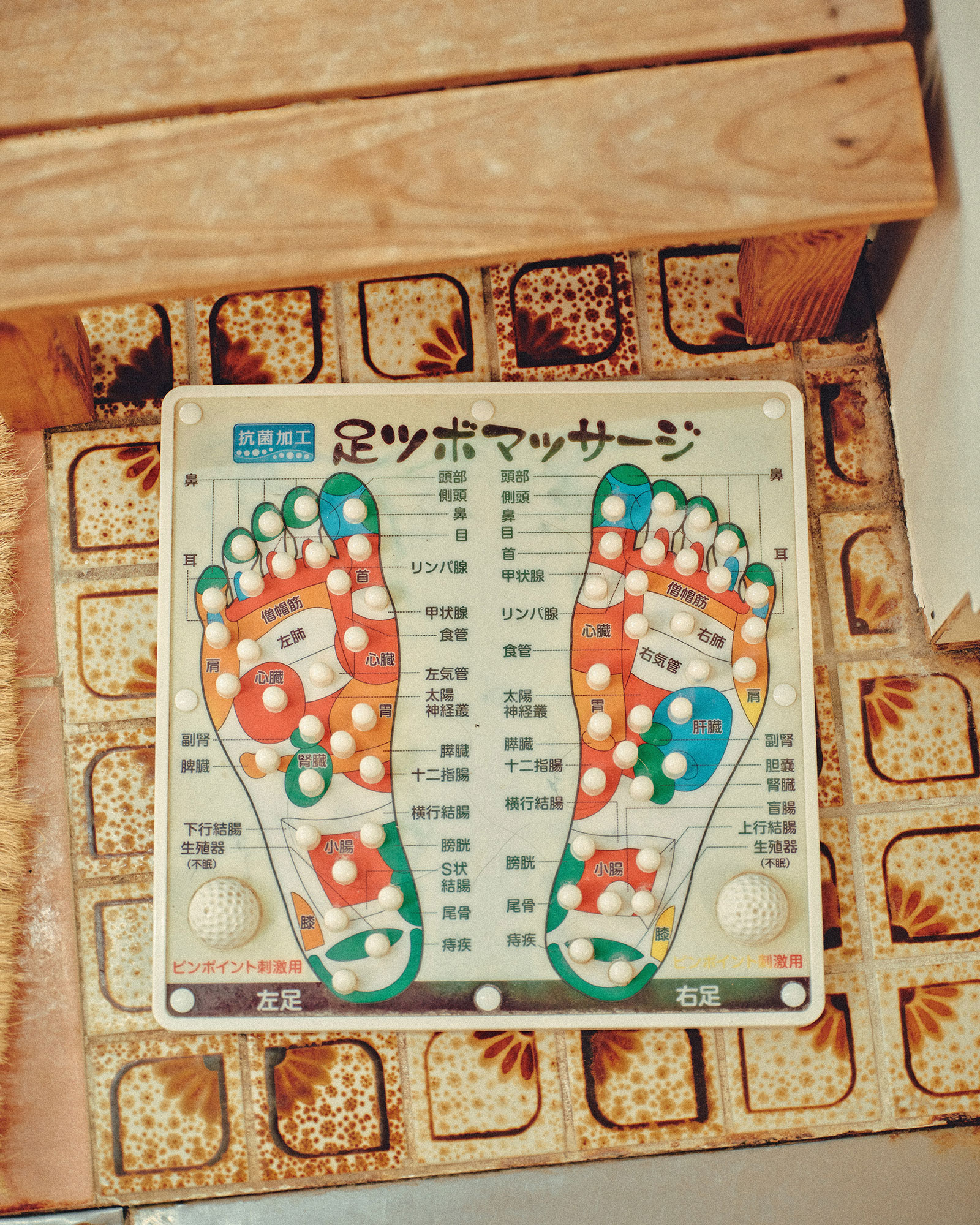
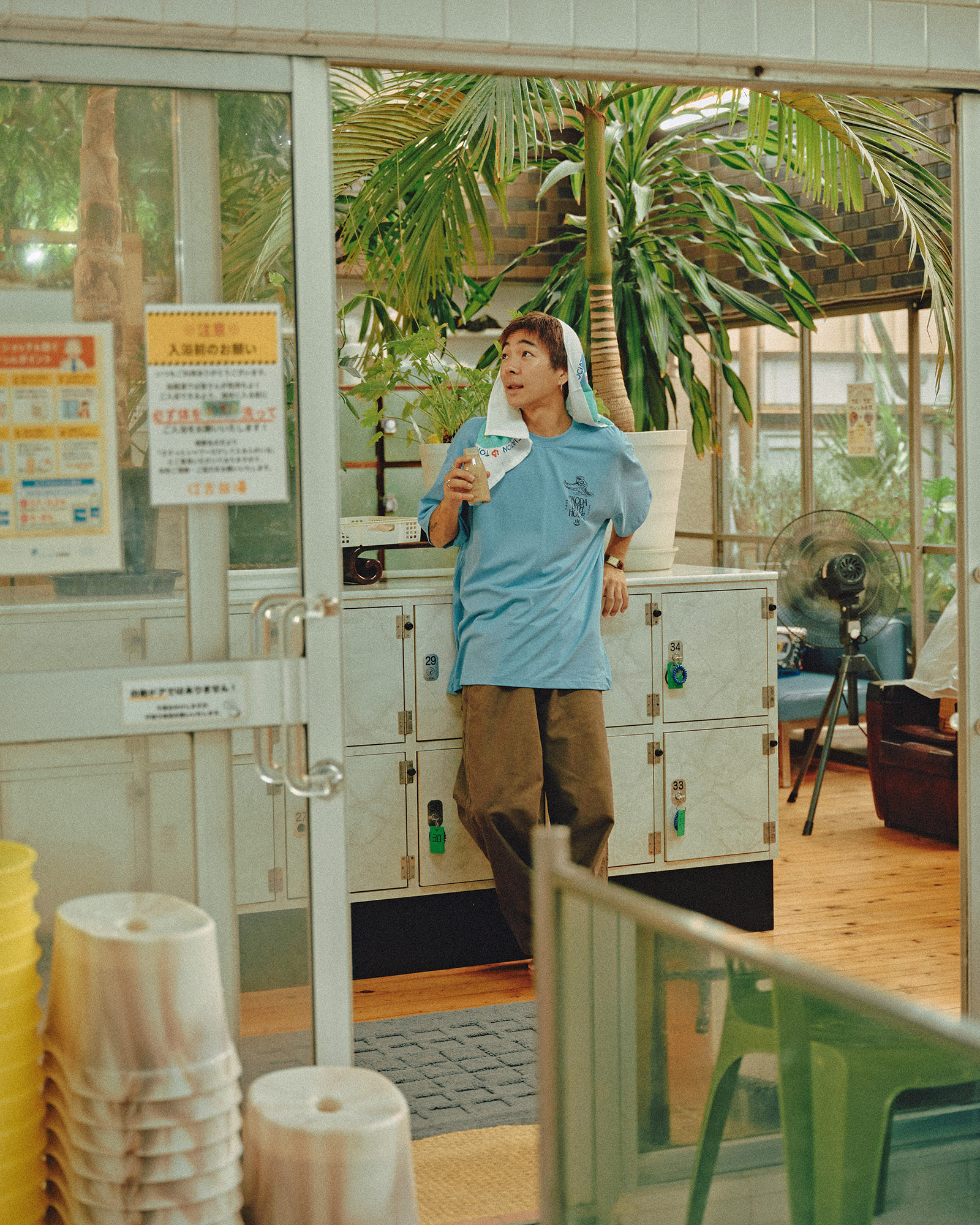
A. We've never undergone a major renovation since opening. Until my father took over, it was a fairly ordinary public bathhouse. He wanted to create a brighter, more welcoming atmosphere, so he introduced music and started bringing in plants. Over time, the collection has continued to grow and, even now, we're still adding more.
Q. So you've transformed the space yourselves?
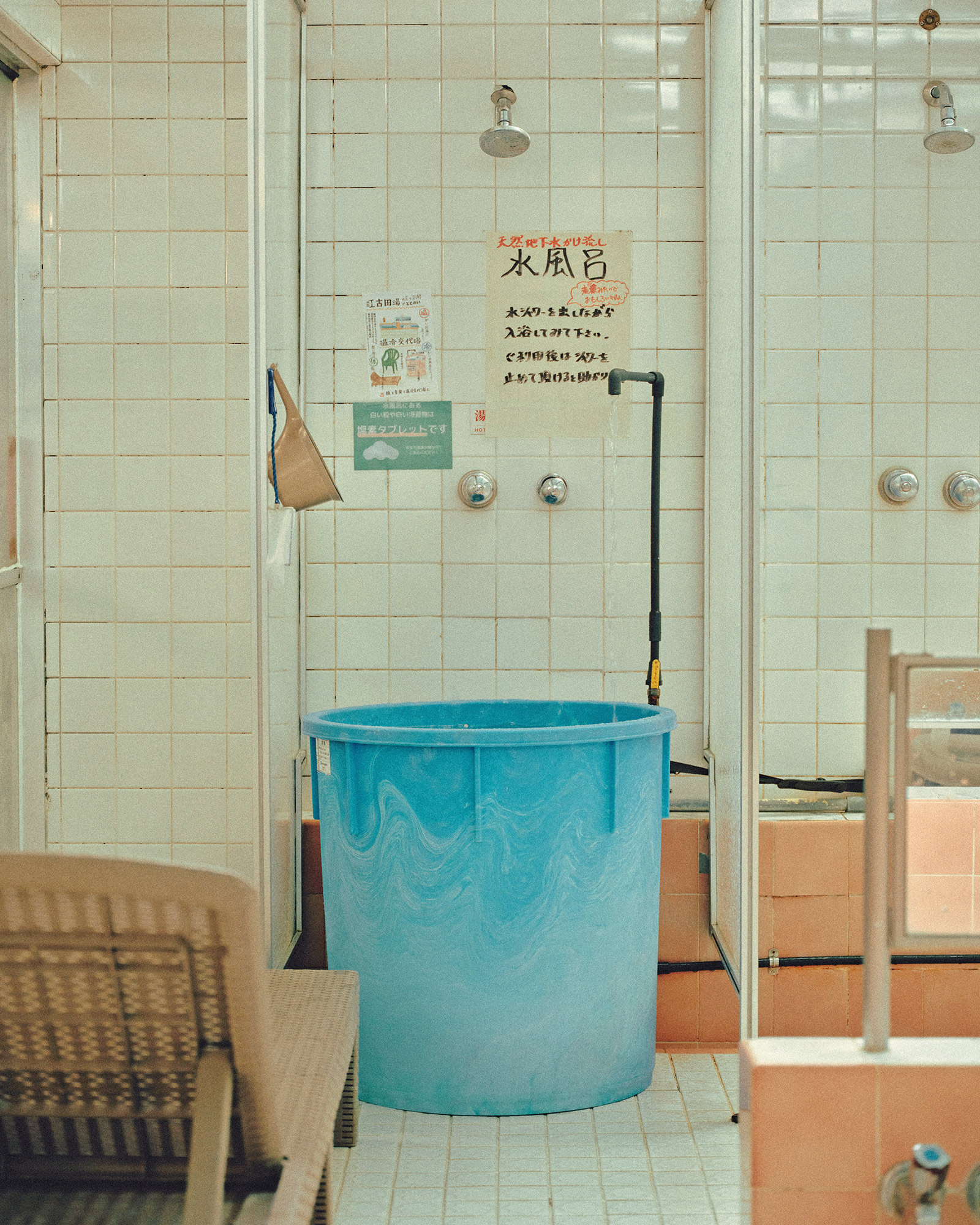
A. Yes. My father and I carry out the renovations ourselves as DIY projects. We've gradually reshaped the bathhouse with our own hands, creating a more relaxing lobby, adding additional cold baths and building the wooden deck.
Q. Why did you decide to take over Ekoda-yu?
A. Because my grandfather worked here, public bathhouses have always been part of my life. When I was at high school and university, there was a big sauna boom in Japan, and I'd visit bathhouses across the city with friends. I always had the feeling that one day I might take over Ekoda-yu. After university, I worked in a completely different industry and lived a very busy life. But when my child was born, I realised I wanted to spend more time with my family, so I left my corporate job and took over the family bathhouse.
Q. Traditional public bathhouses seem to be disappearing year by year.
A. In the past, many homes and apartments didn't have their own bathrooms, so public bathhouses were an essential part of every neighbourhood. People saw each other there every day, and they became important places for the local community to connect. We still have regular customers who have been coming since Ekoda-yu first opened, and in recent years we've also welcomed many visitors from overseas. I think many people also know that guests with tattoos are welcome here.
Q. What kind of place do you want Ekoda-yu to be?
A. I don't want public bathhouses to disappear. I want them to remain lively places filled with conversation and the sound of children playing. I'd love for children to grow up feeling connected to their local community from an early age. Especially now, when social media can make real human connections feel more distant, I hope Ekoda-yu remains a place where people can experience genuine warmth and spend time together.
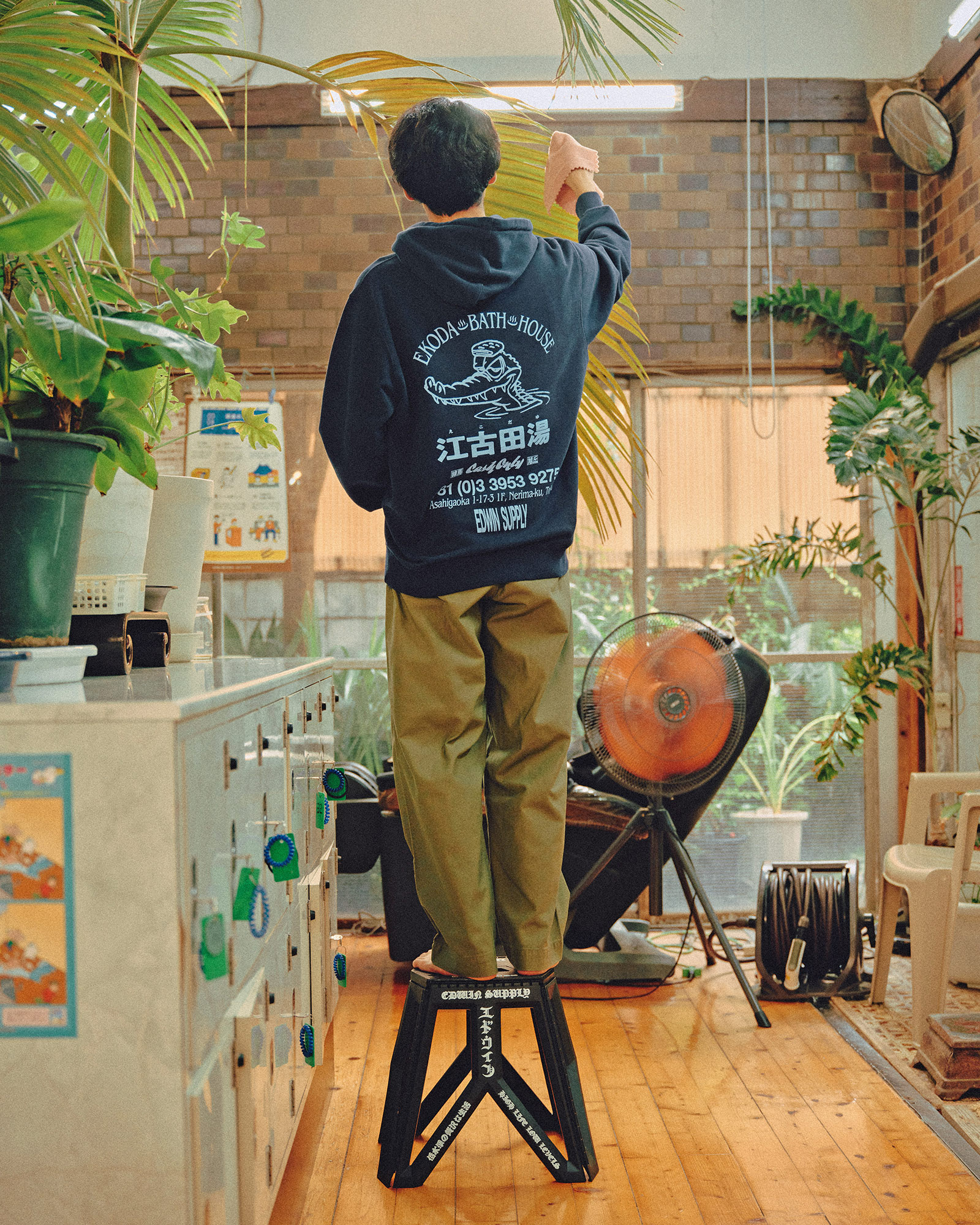
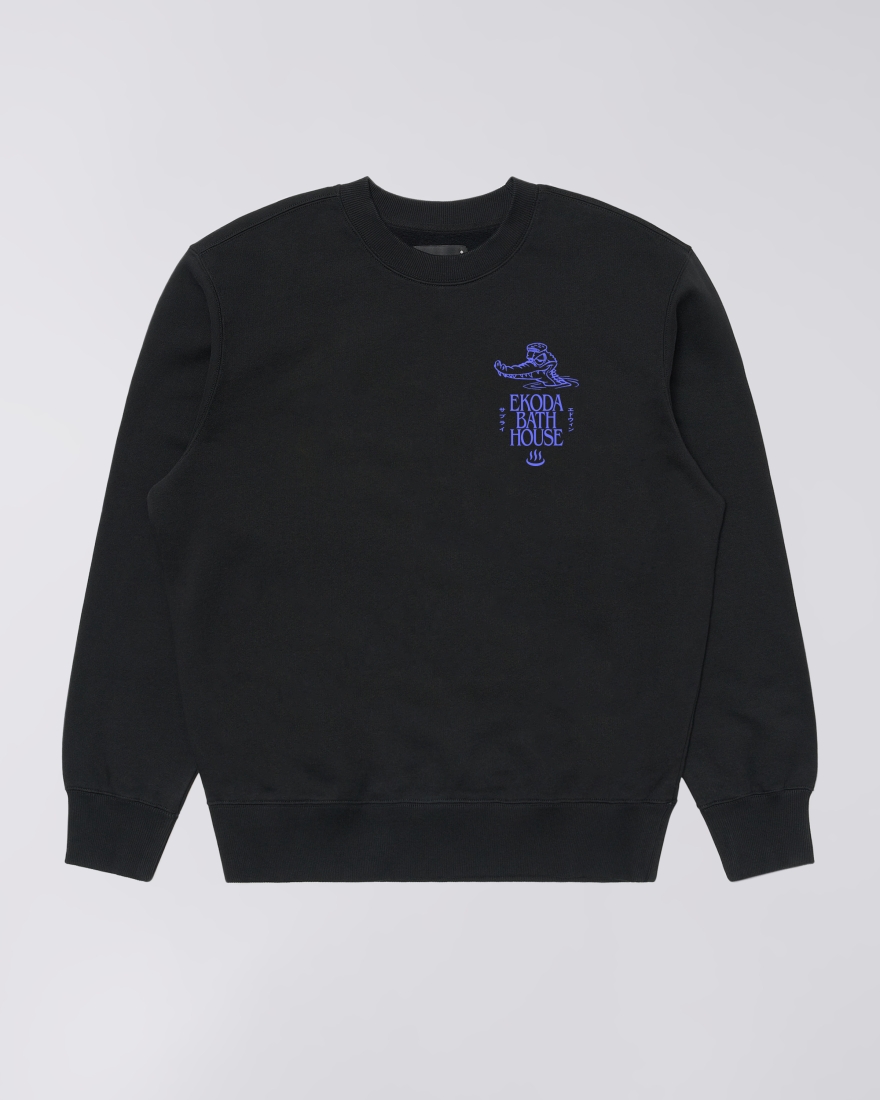
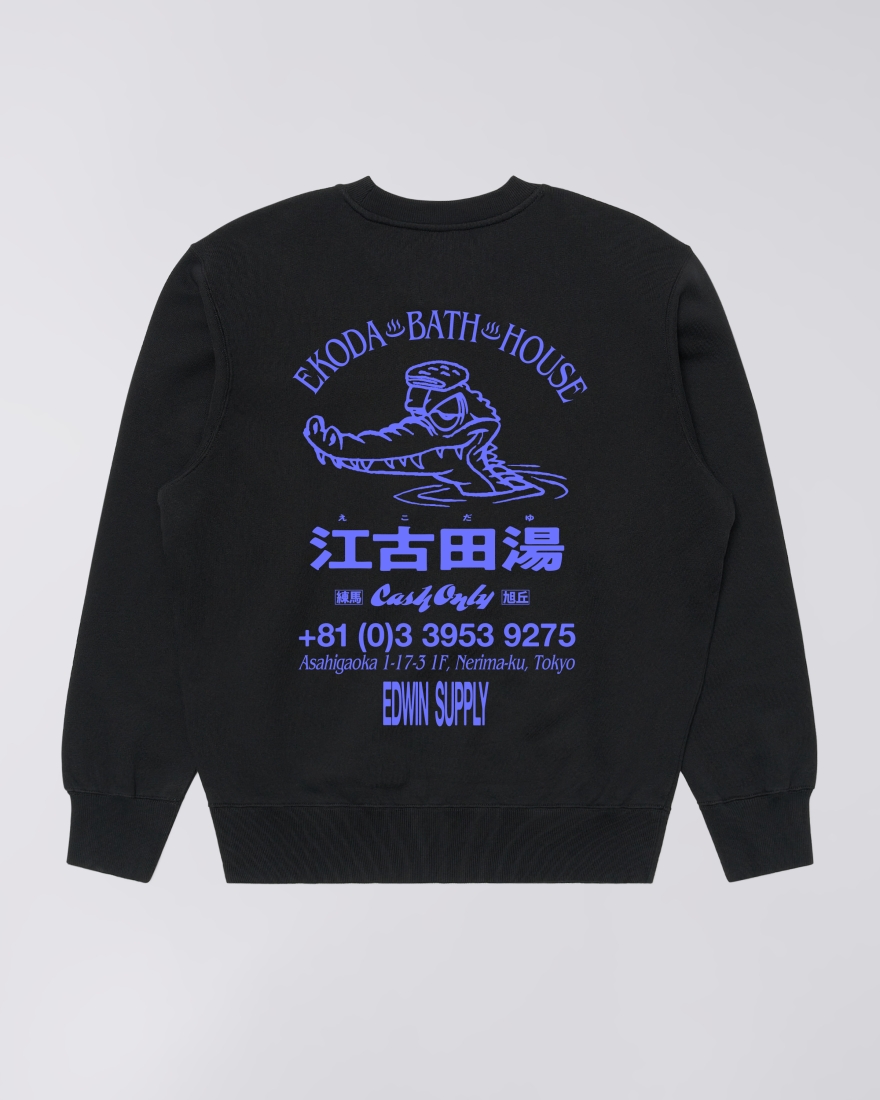
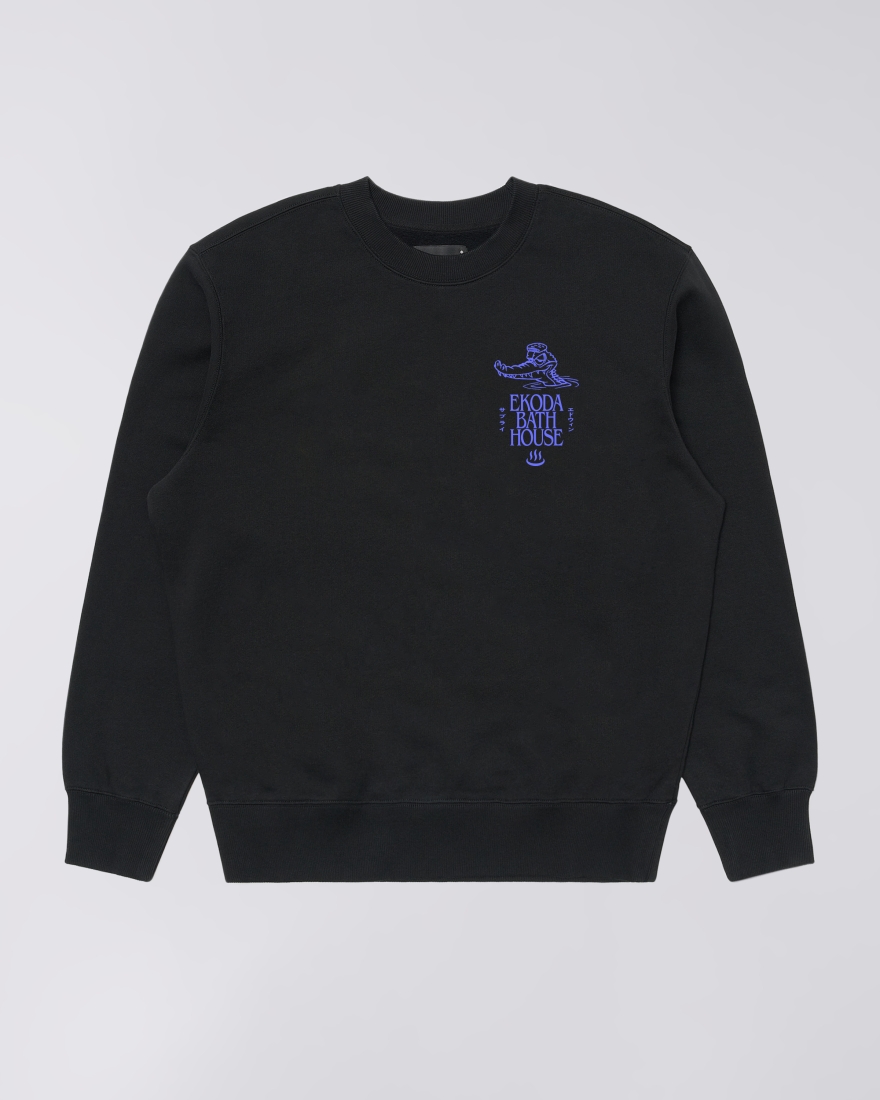
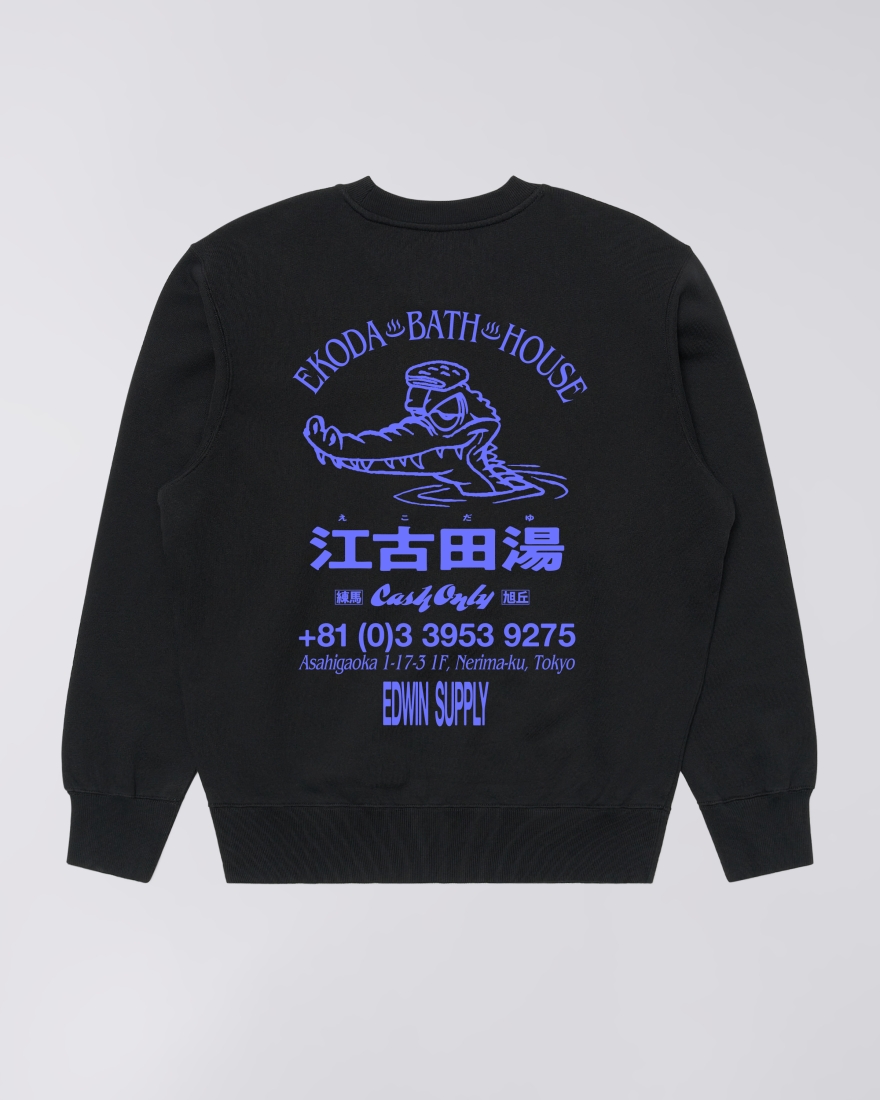
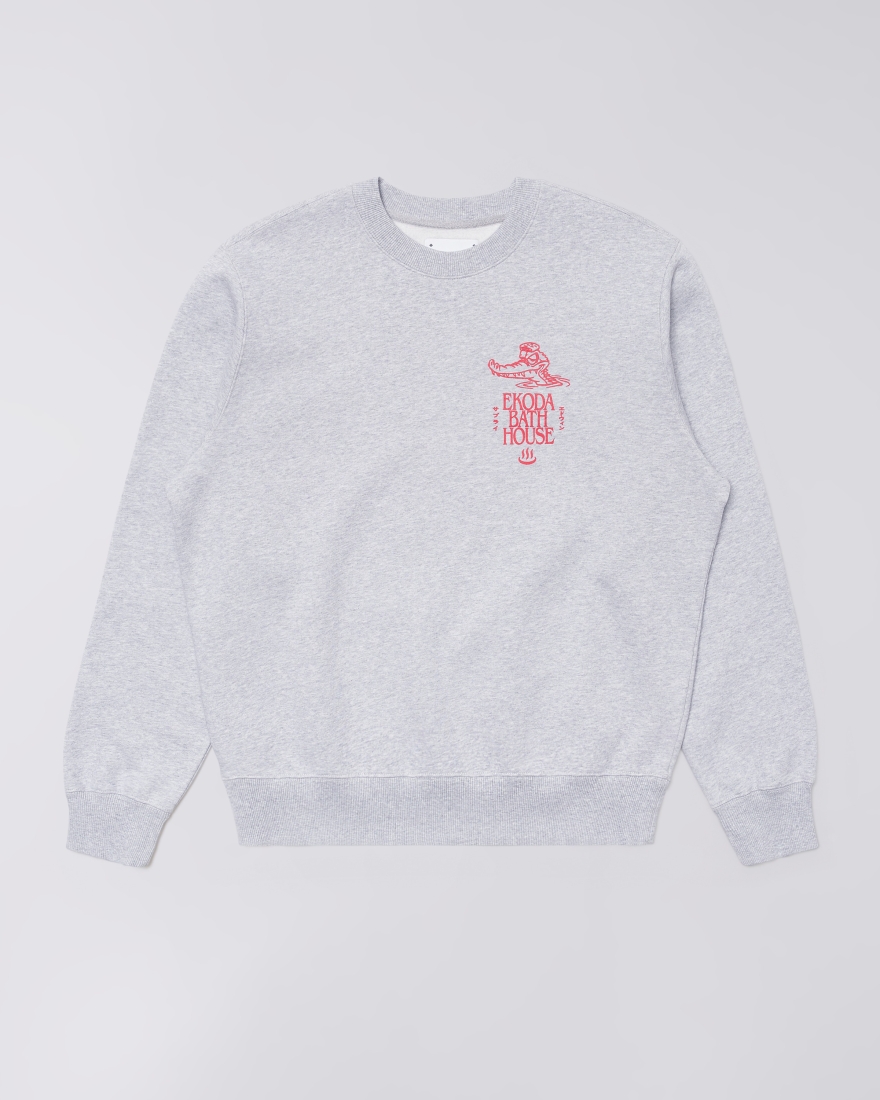
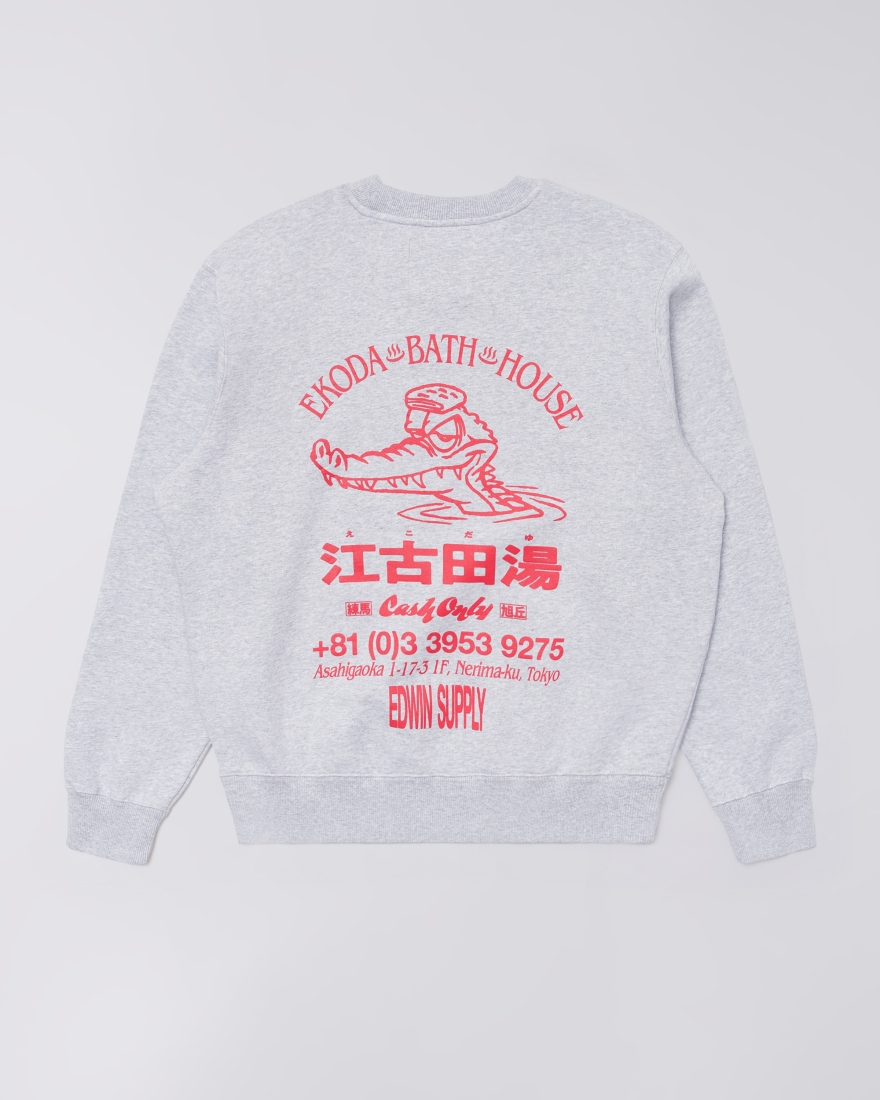
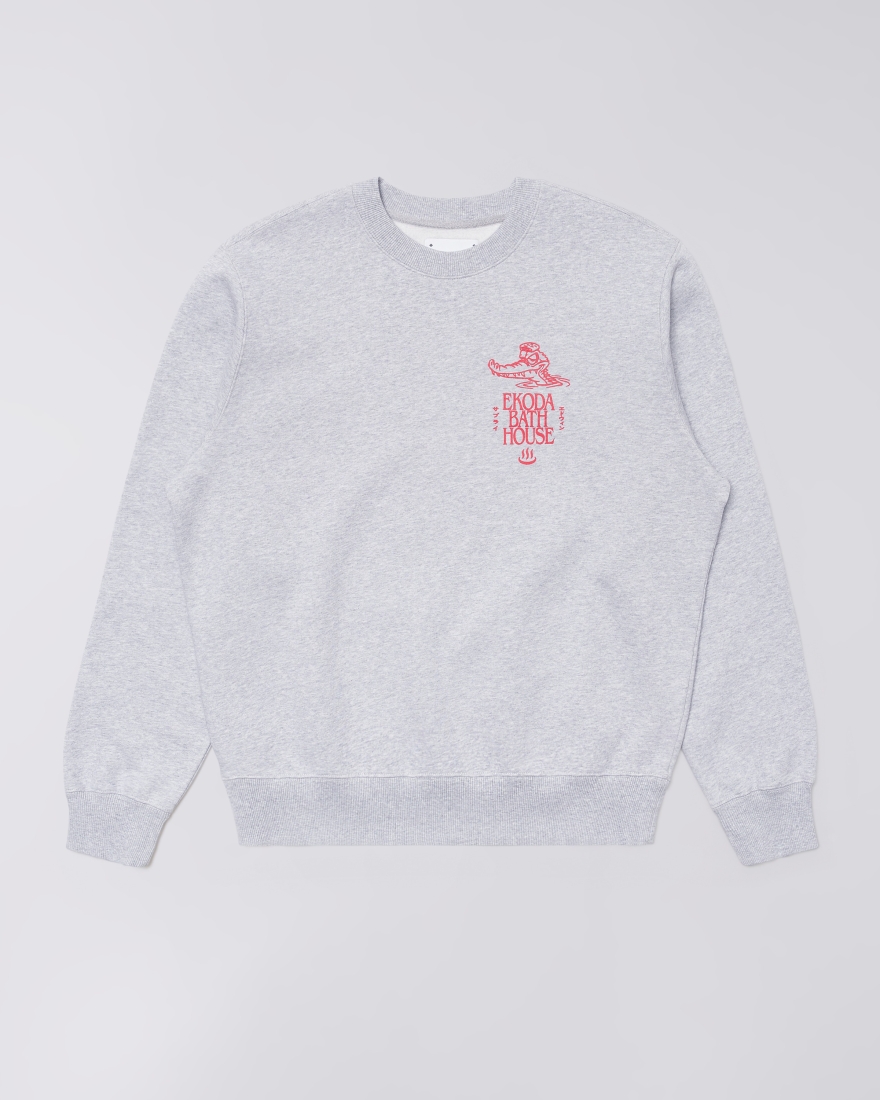
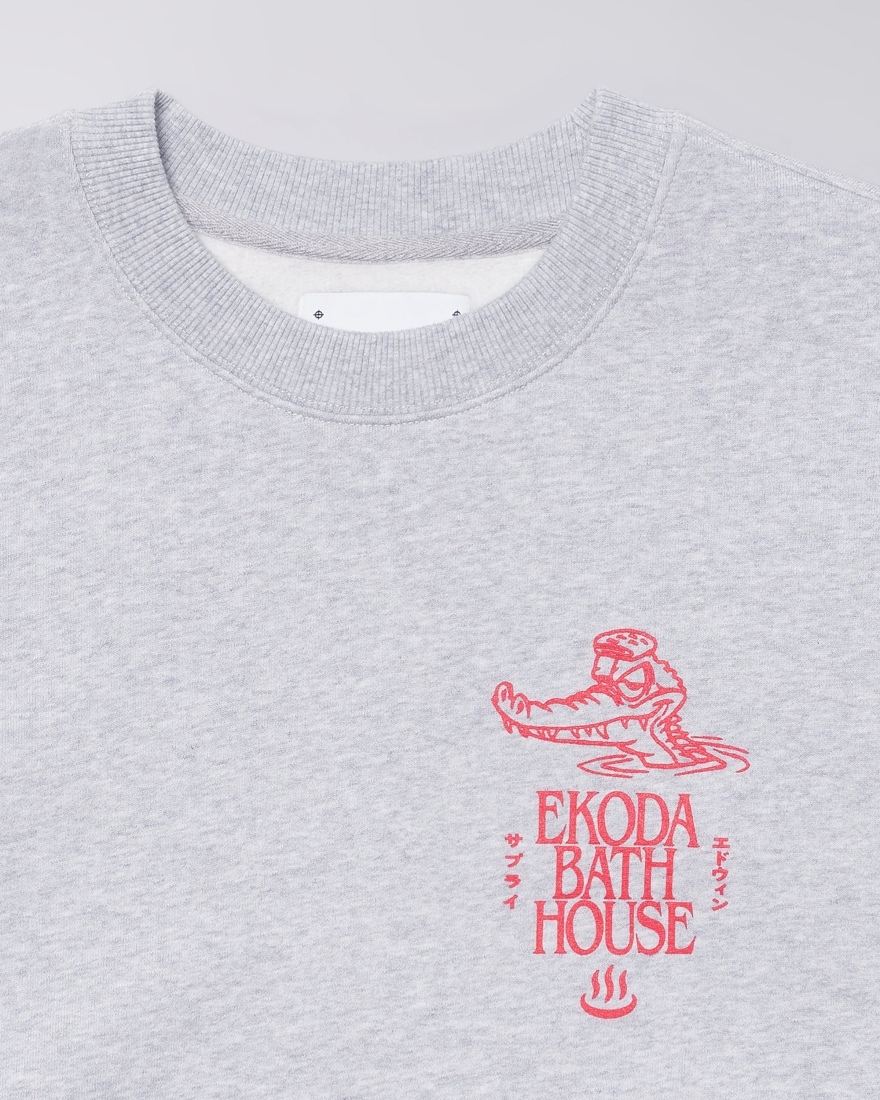
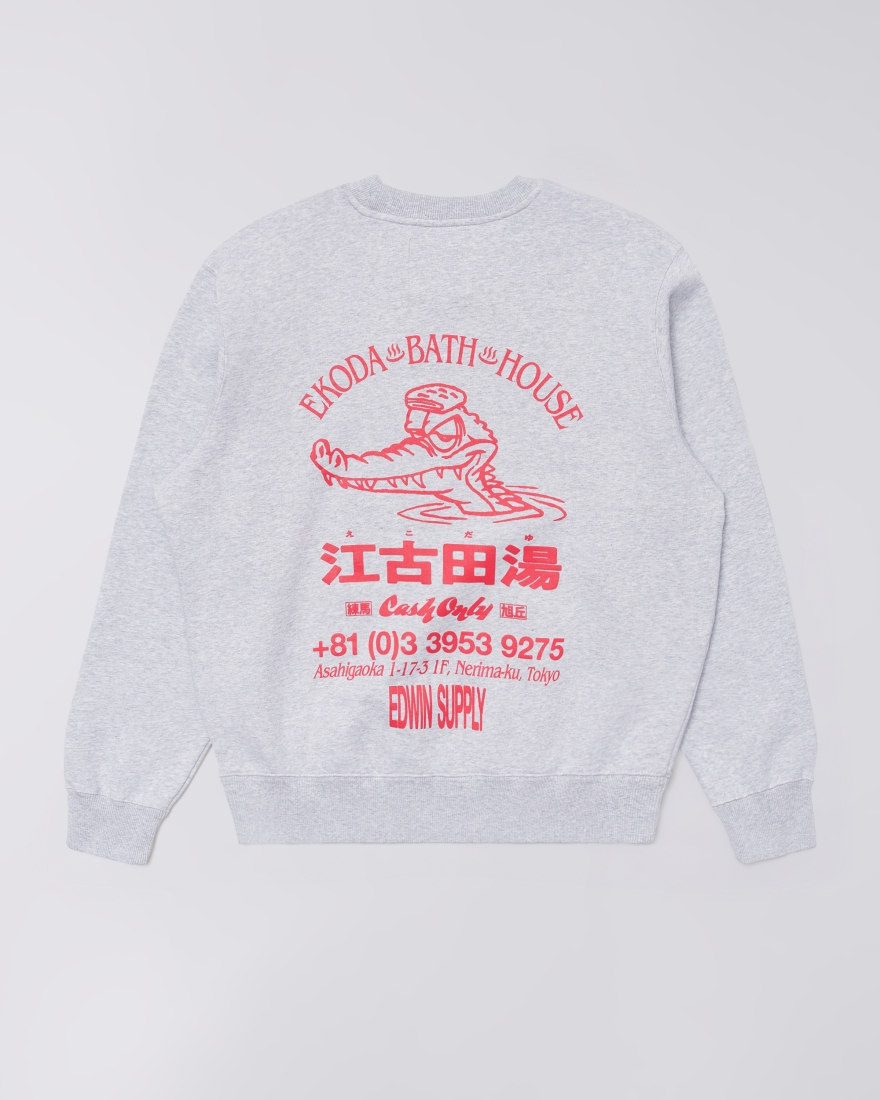
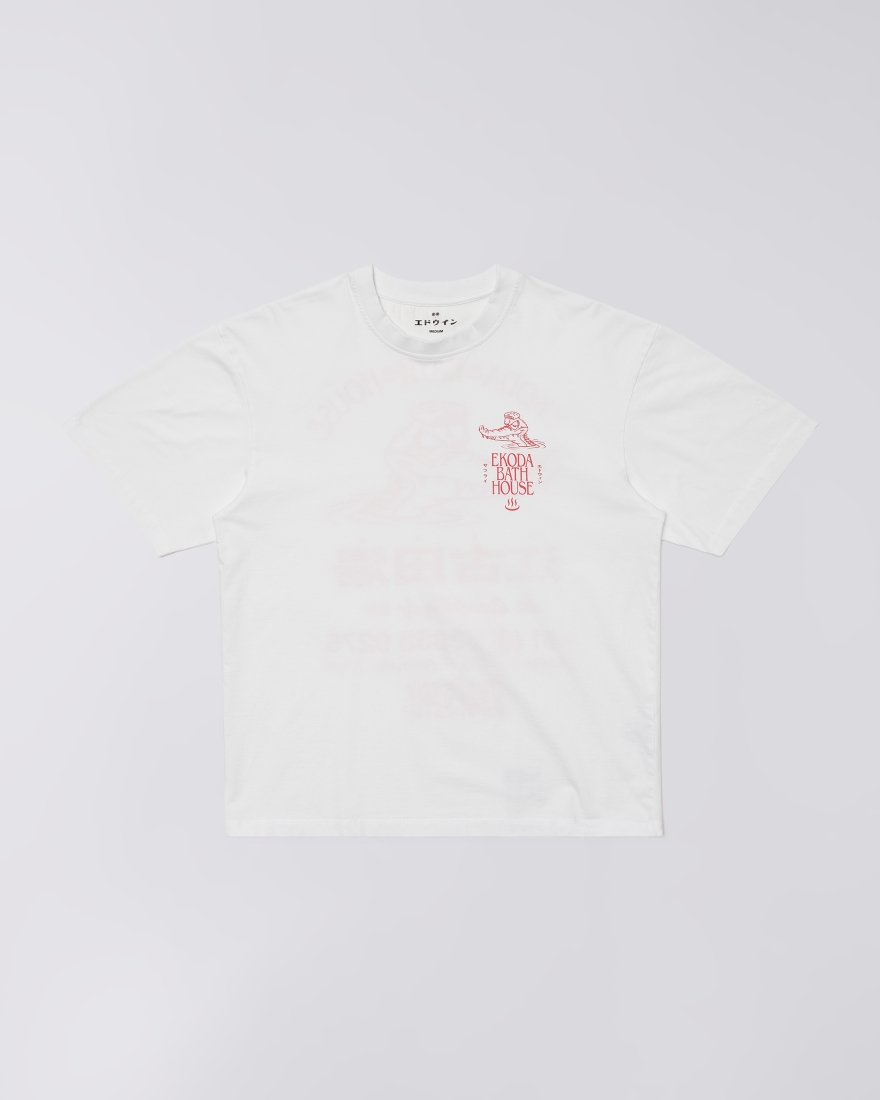
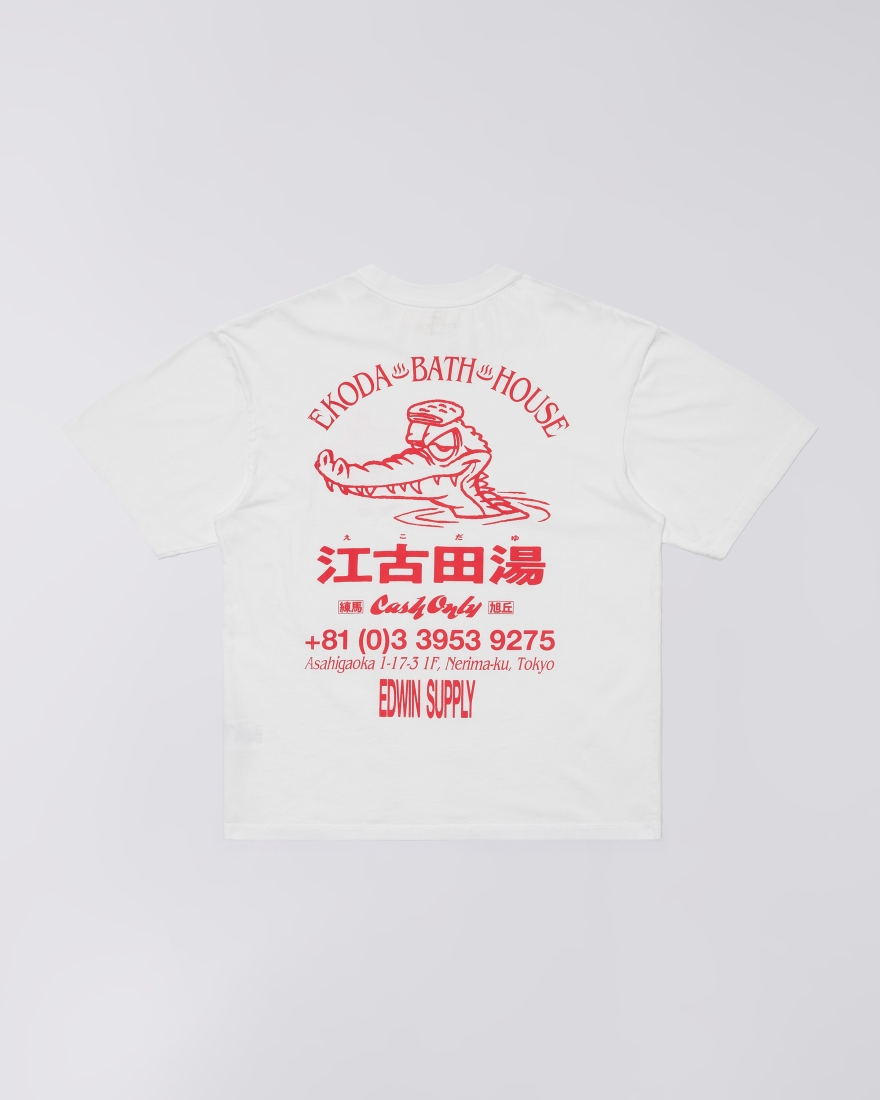
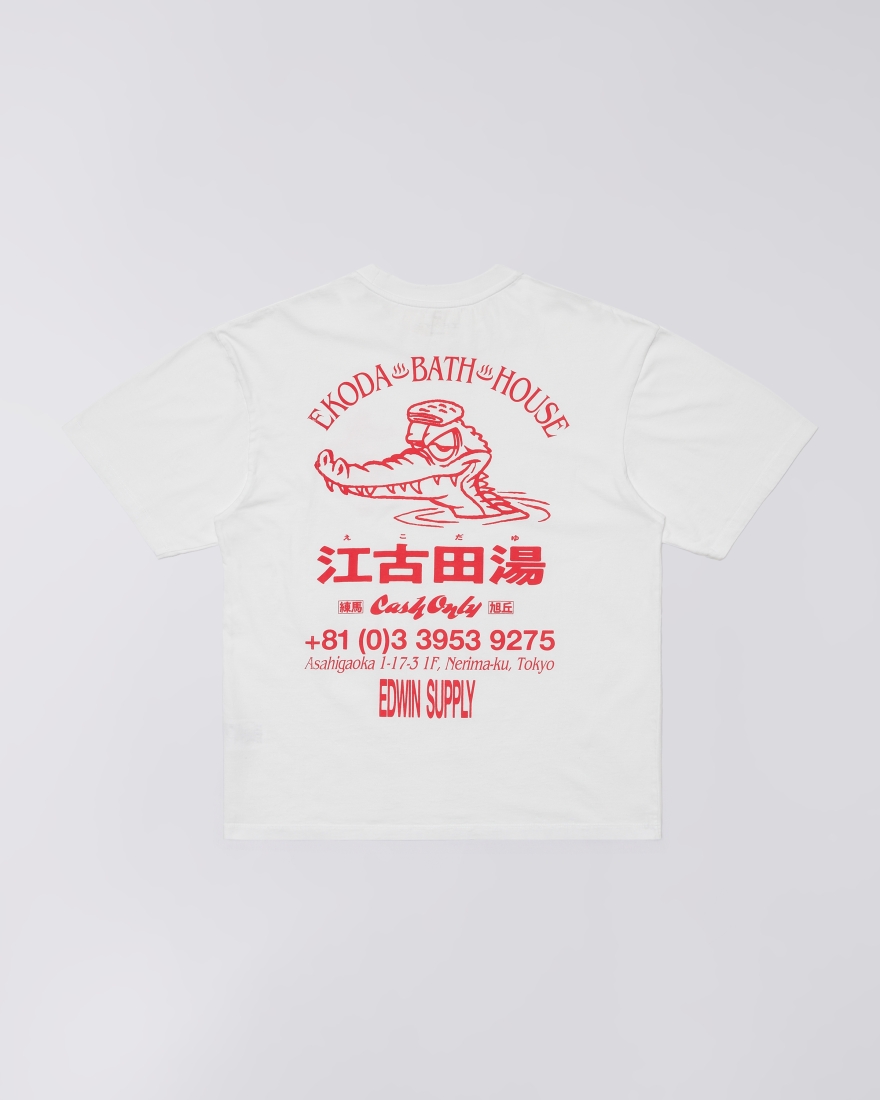
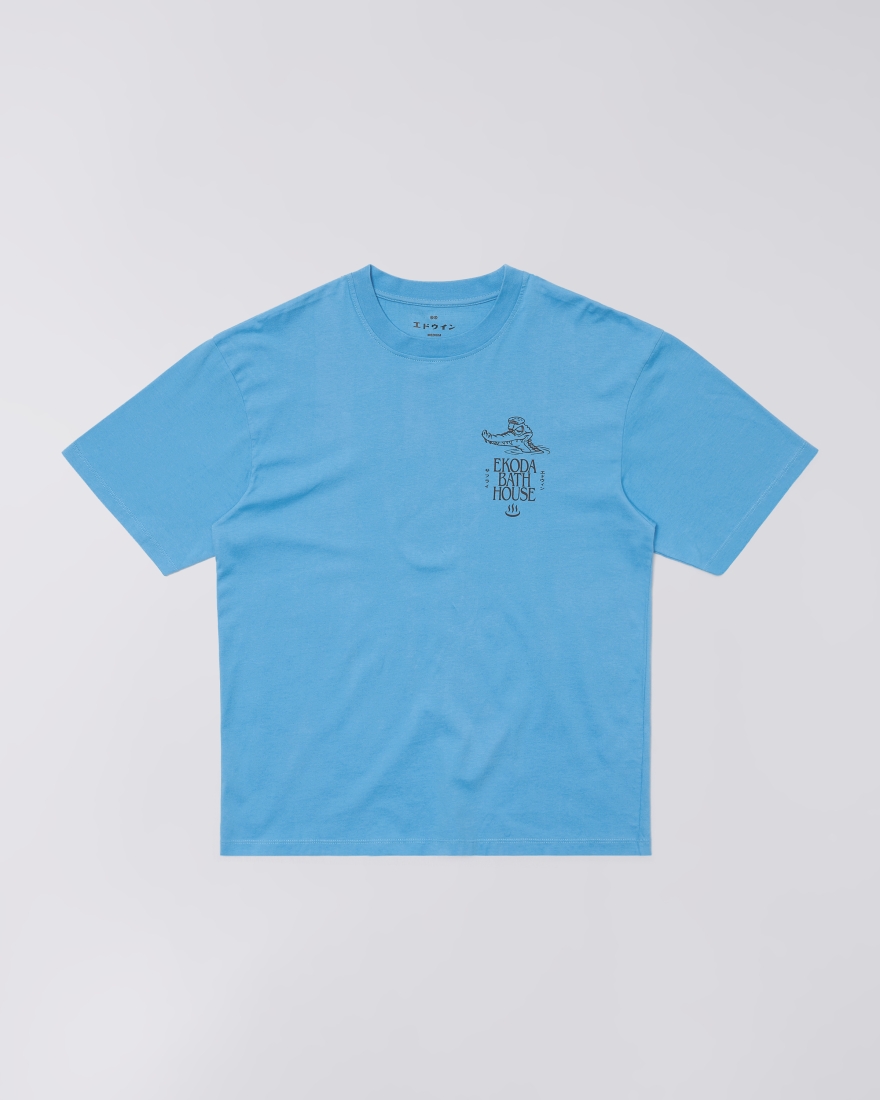
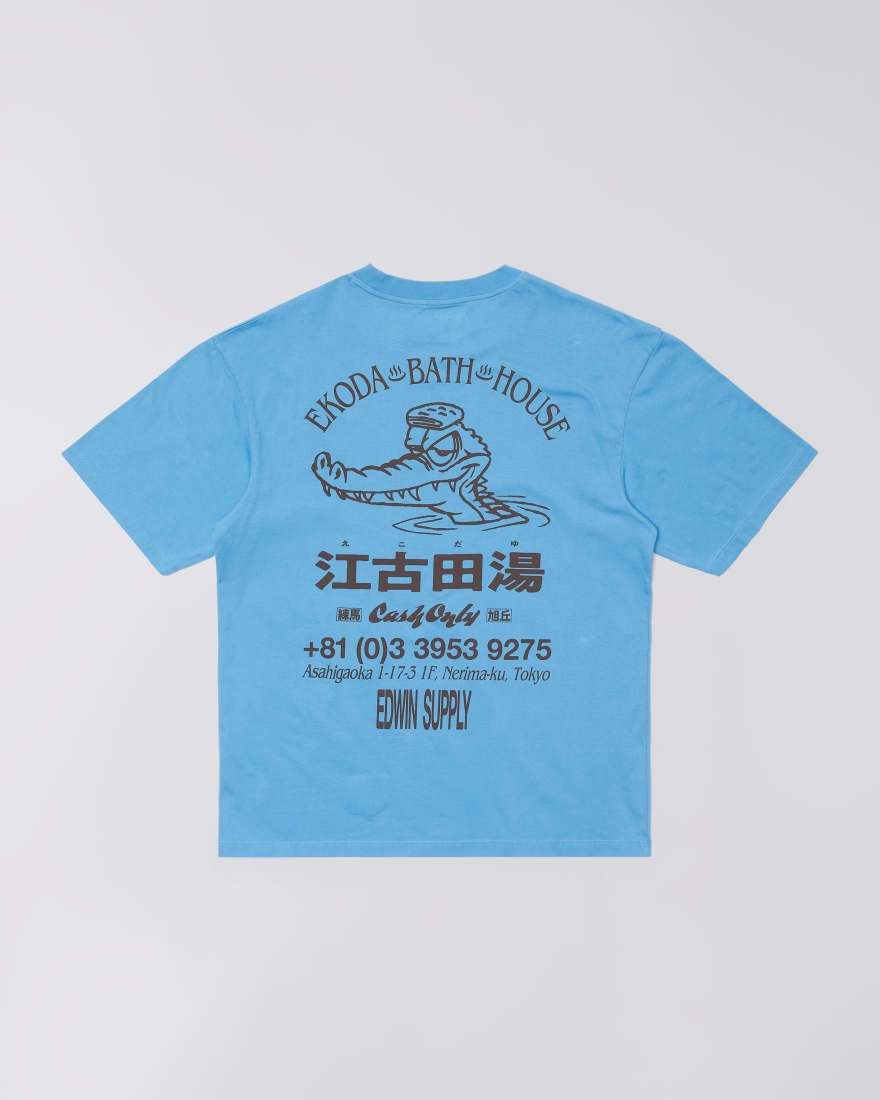
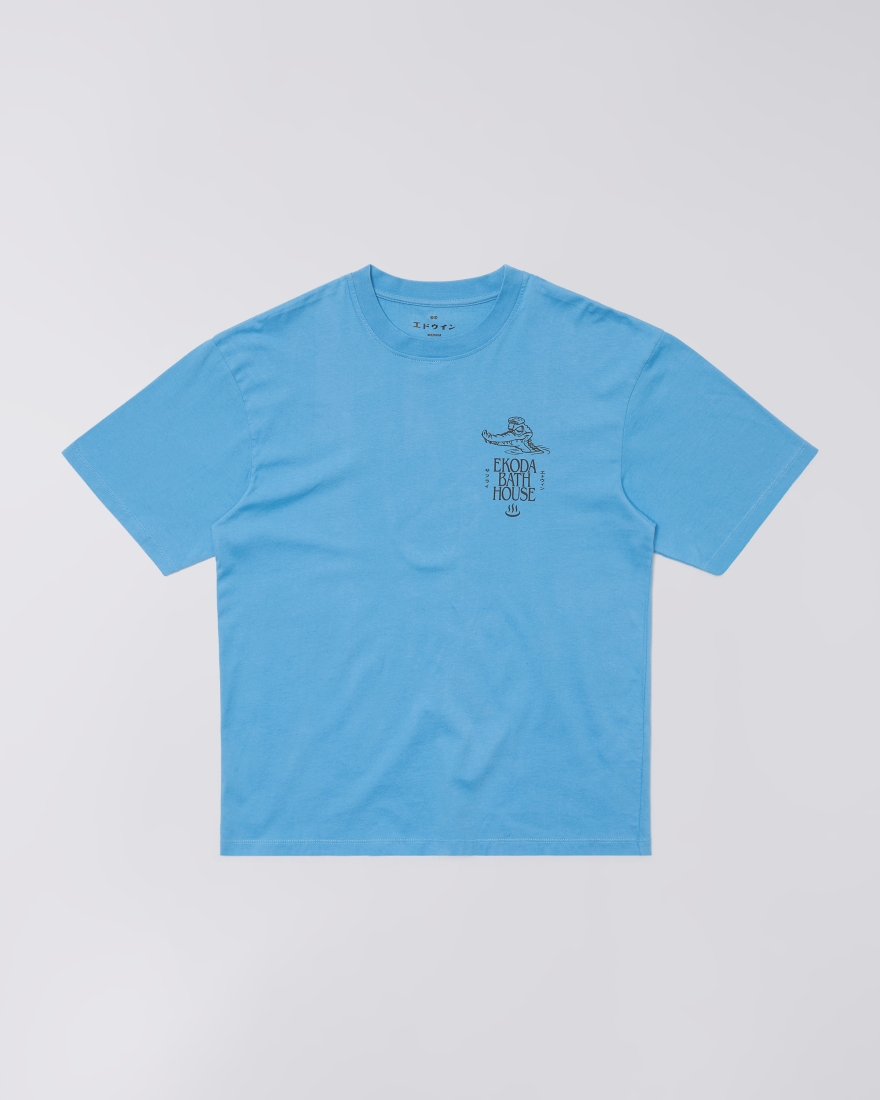
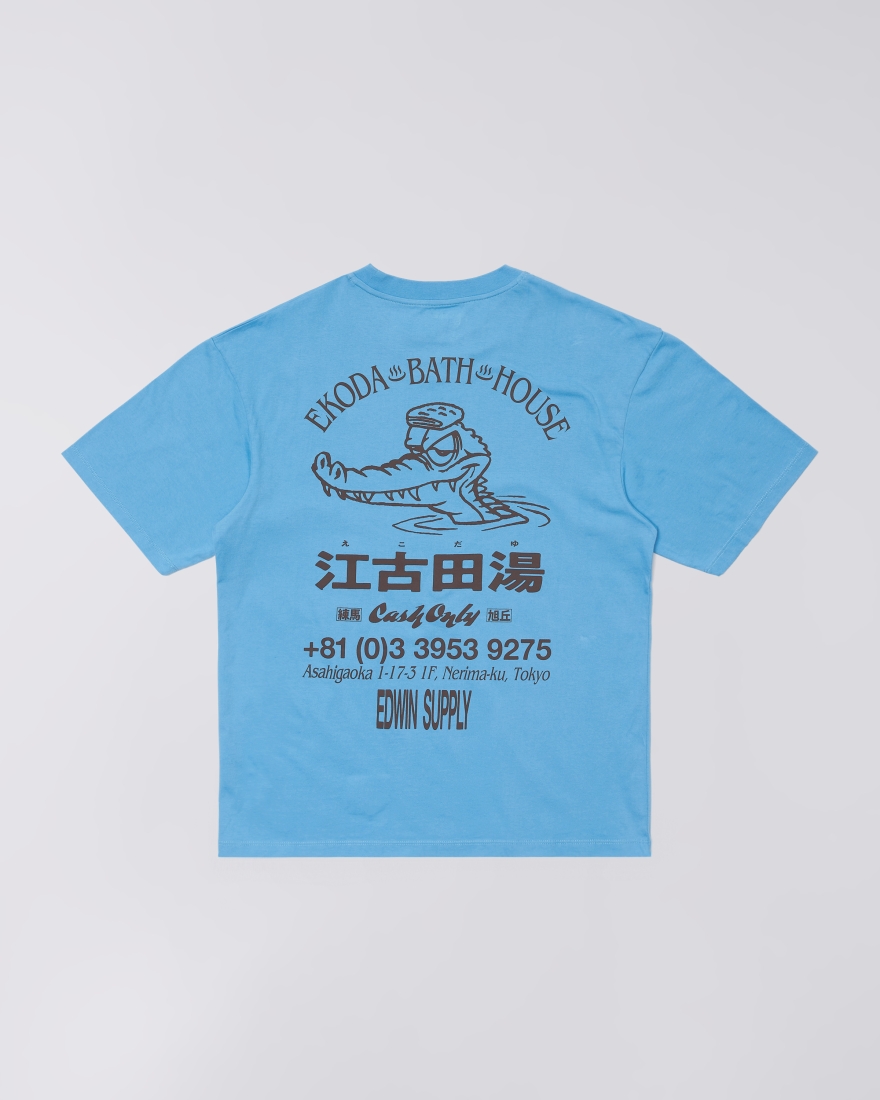
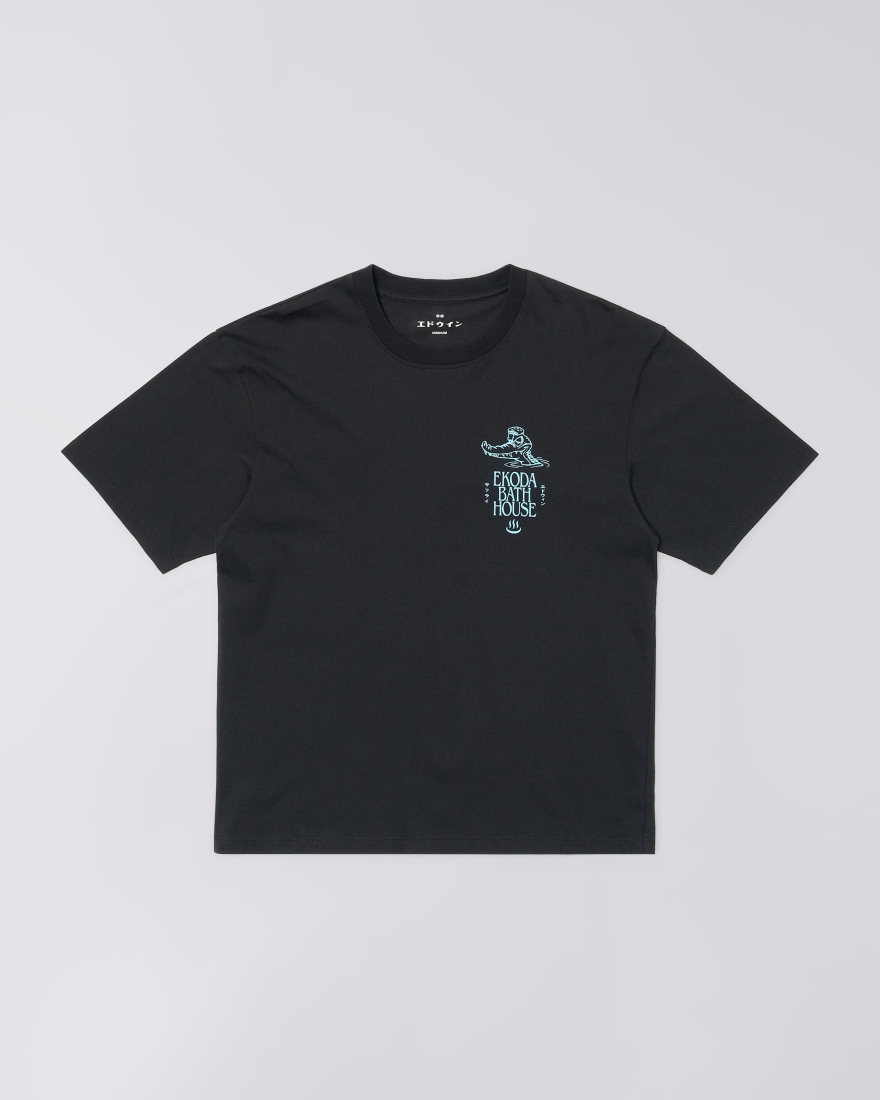
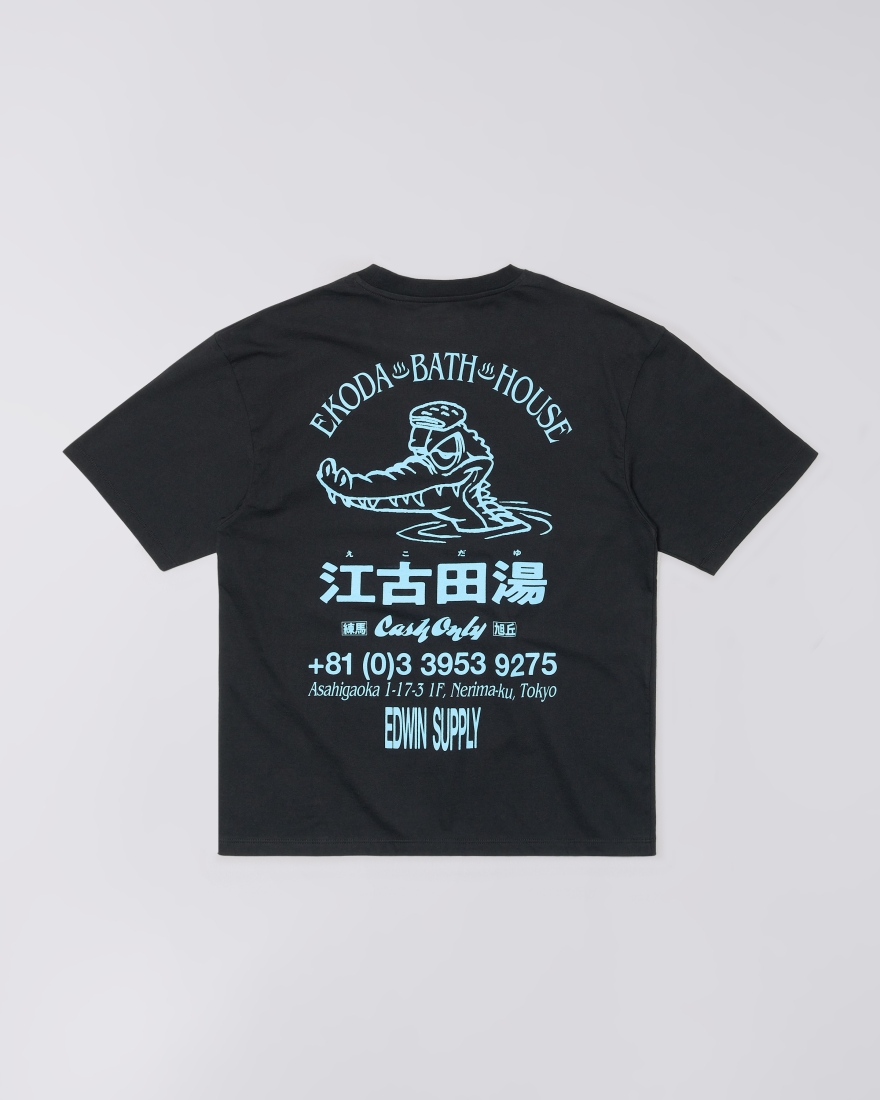
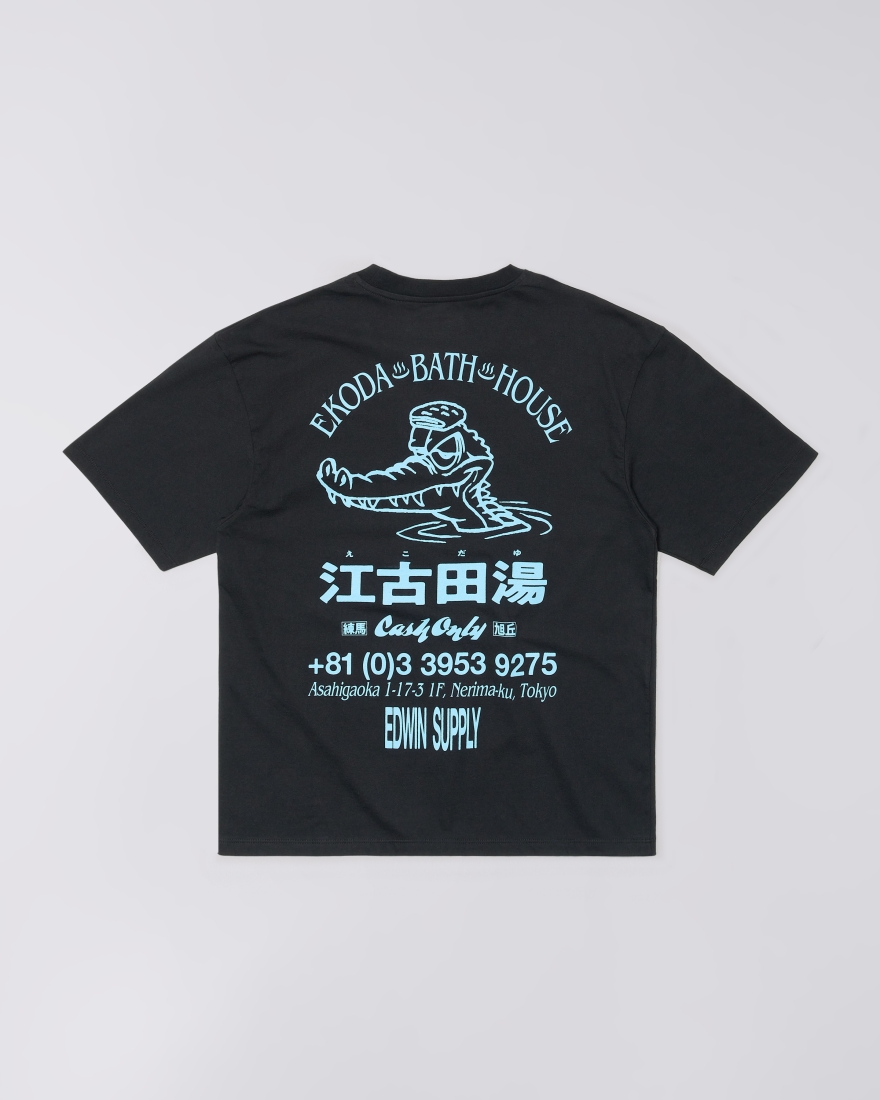
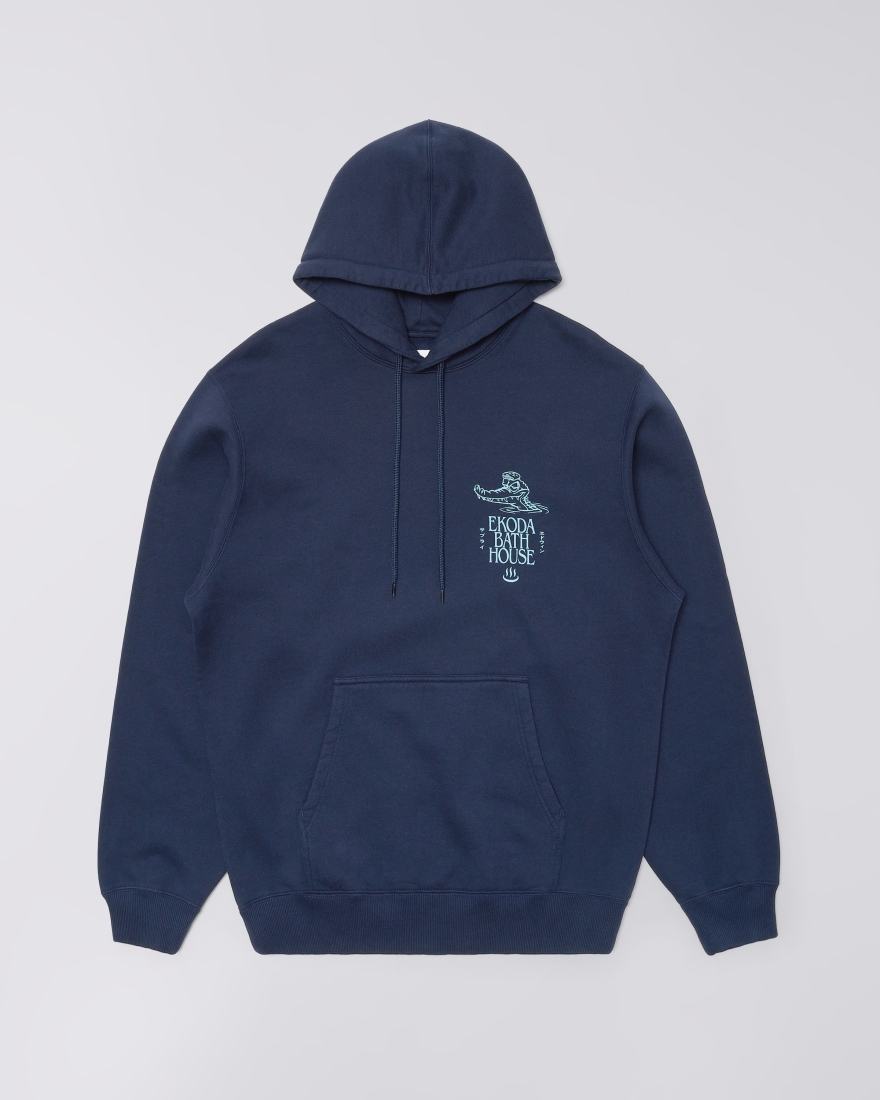
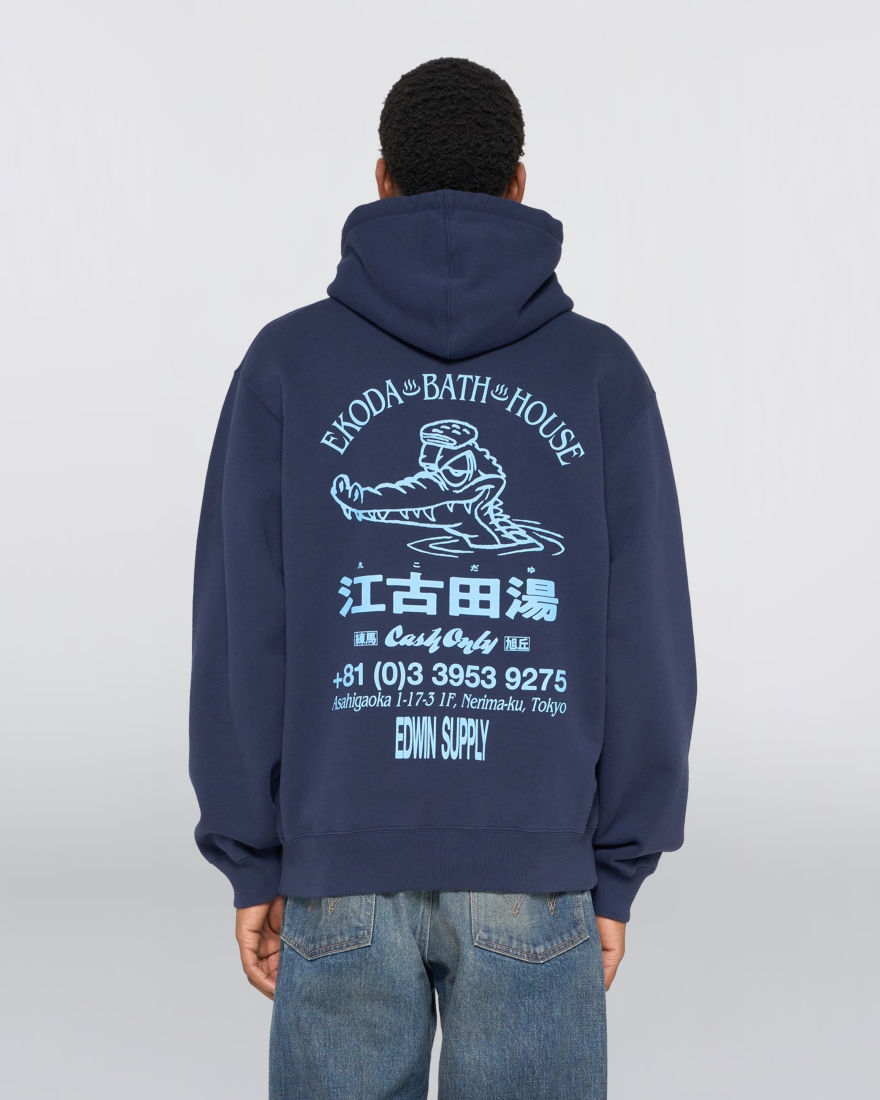
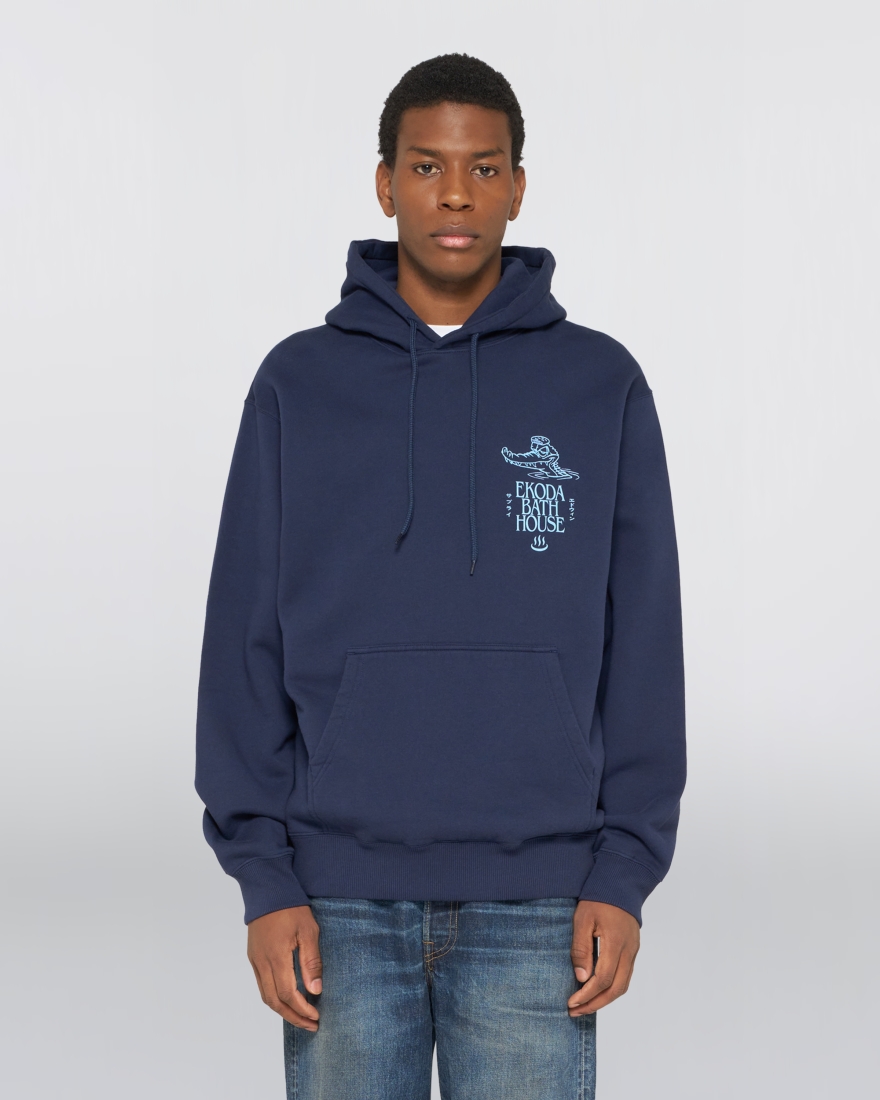
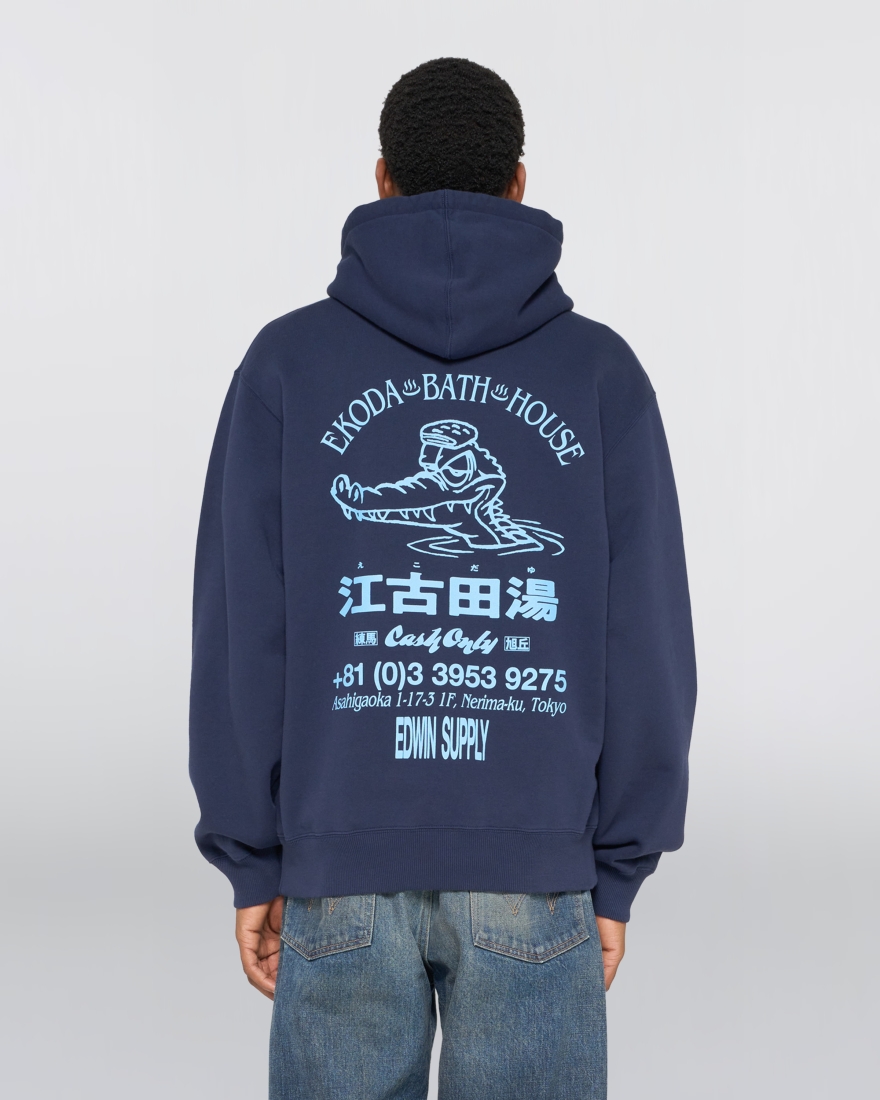
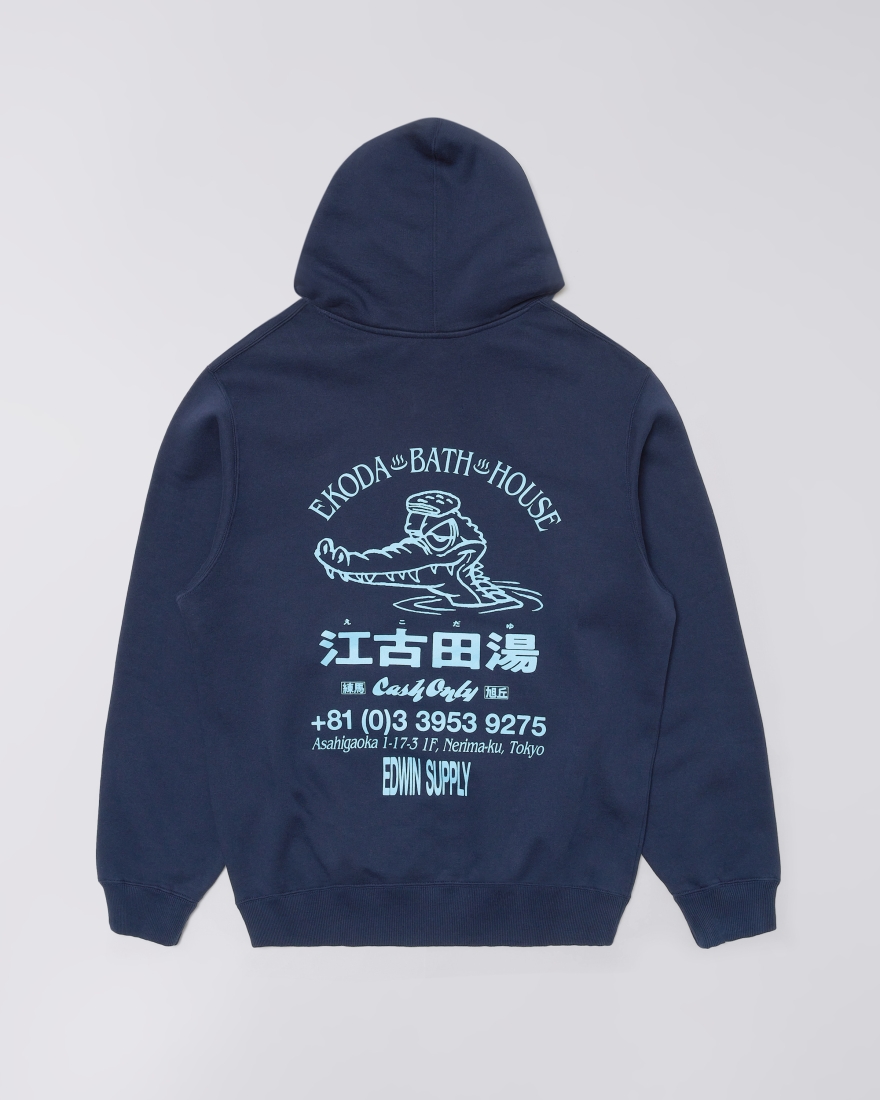
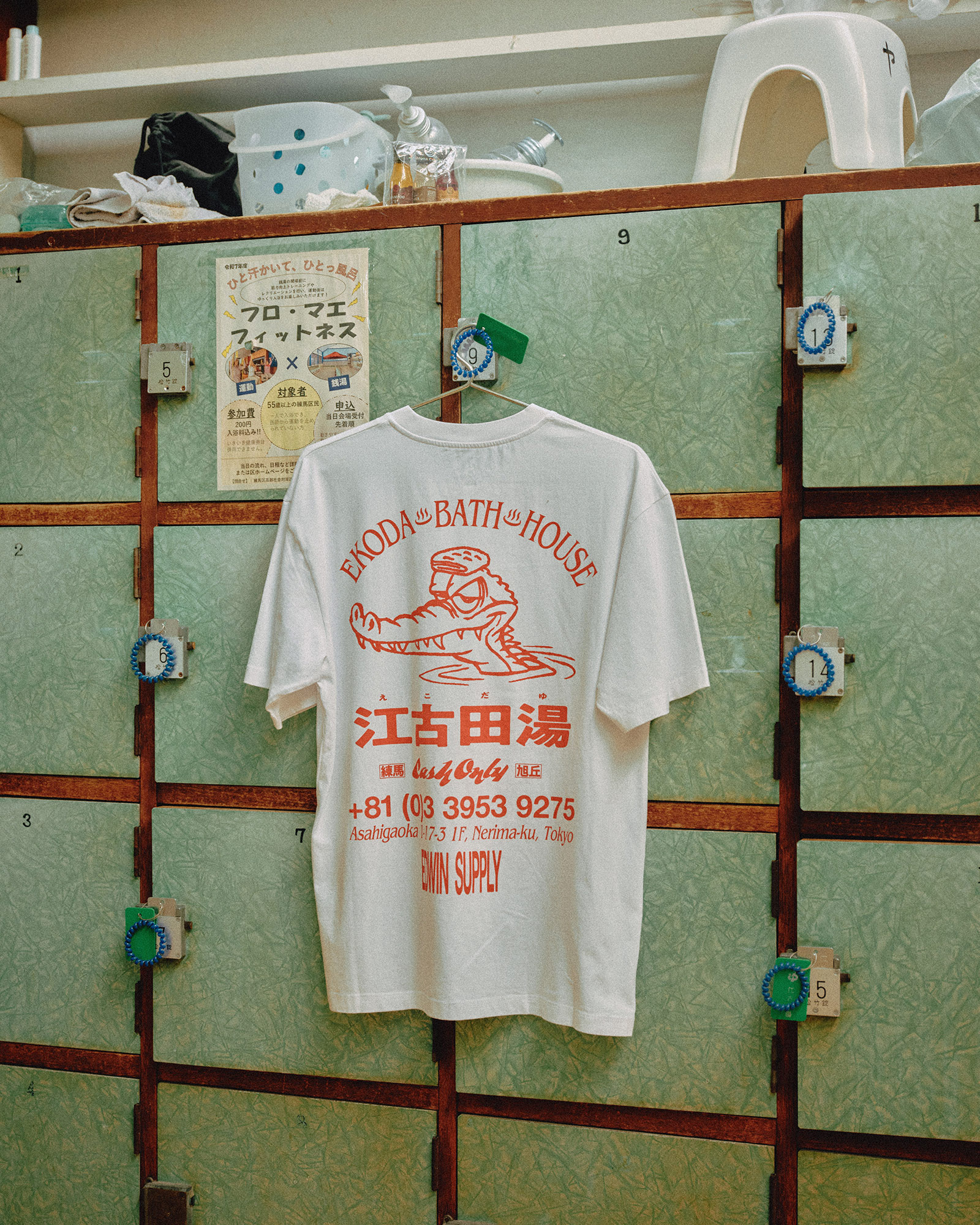
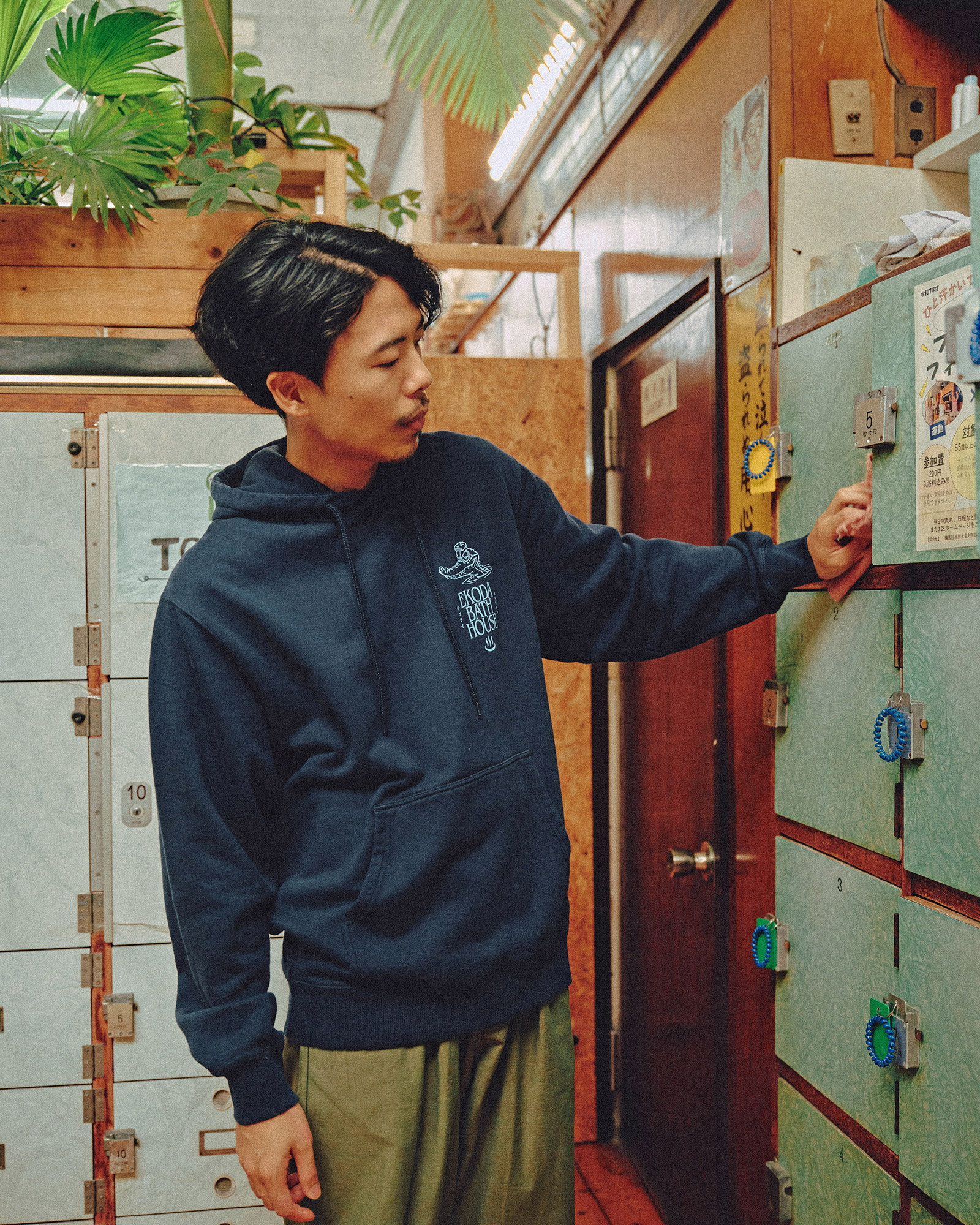
Bring a piece of Ekoda-yu with you. The collection is available now in a range of T-shirts, sweatshirts and hoodies, online, in EDWIN Stores and through selected retailers across Europe.
Direction: Toshifumi Kiuchi, Production: LAID BUG, Photographer: Yutaro Tagawa, Model: Lui Hirano