

AW26
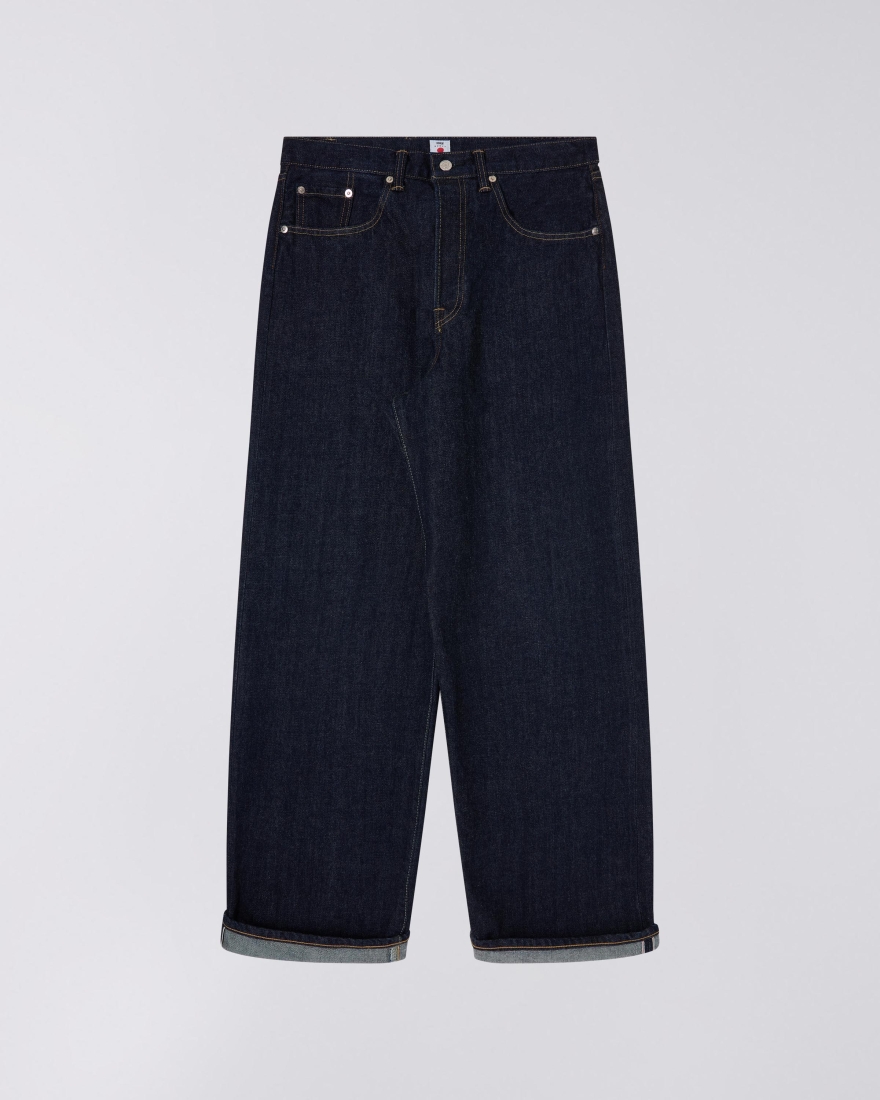
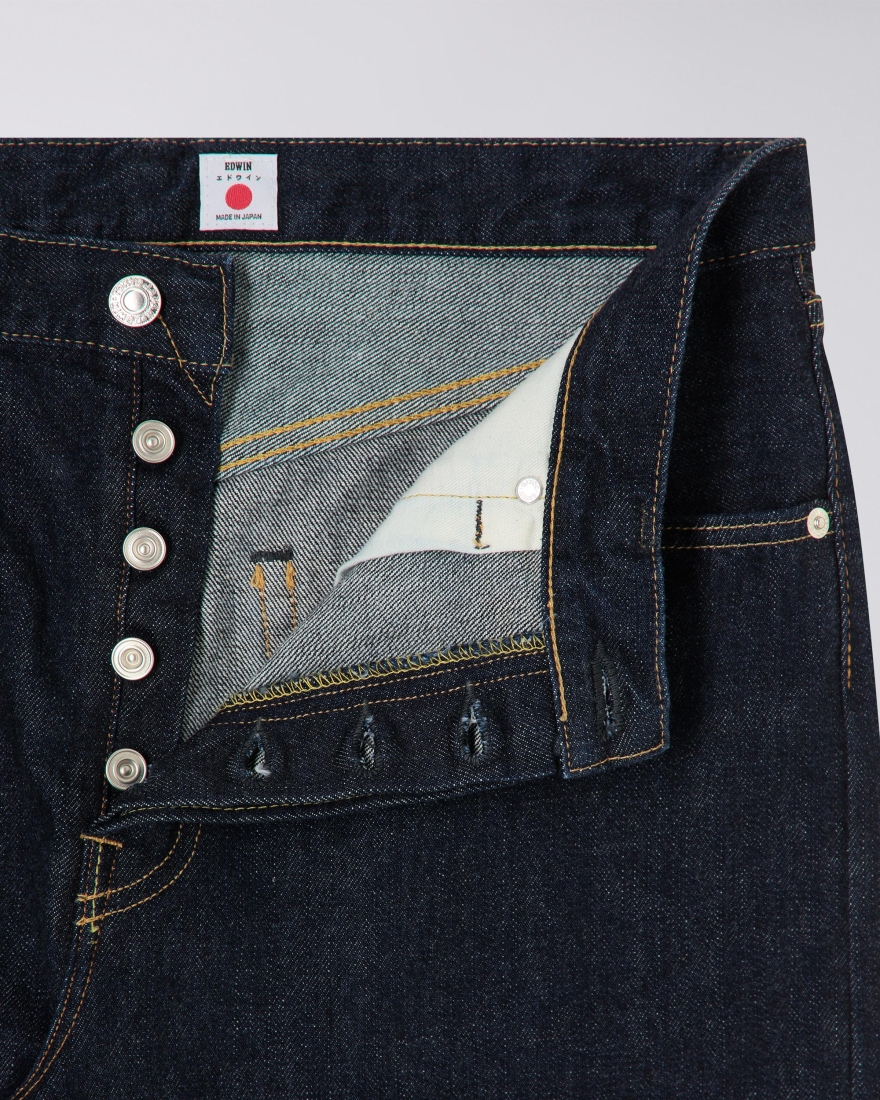
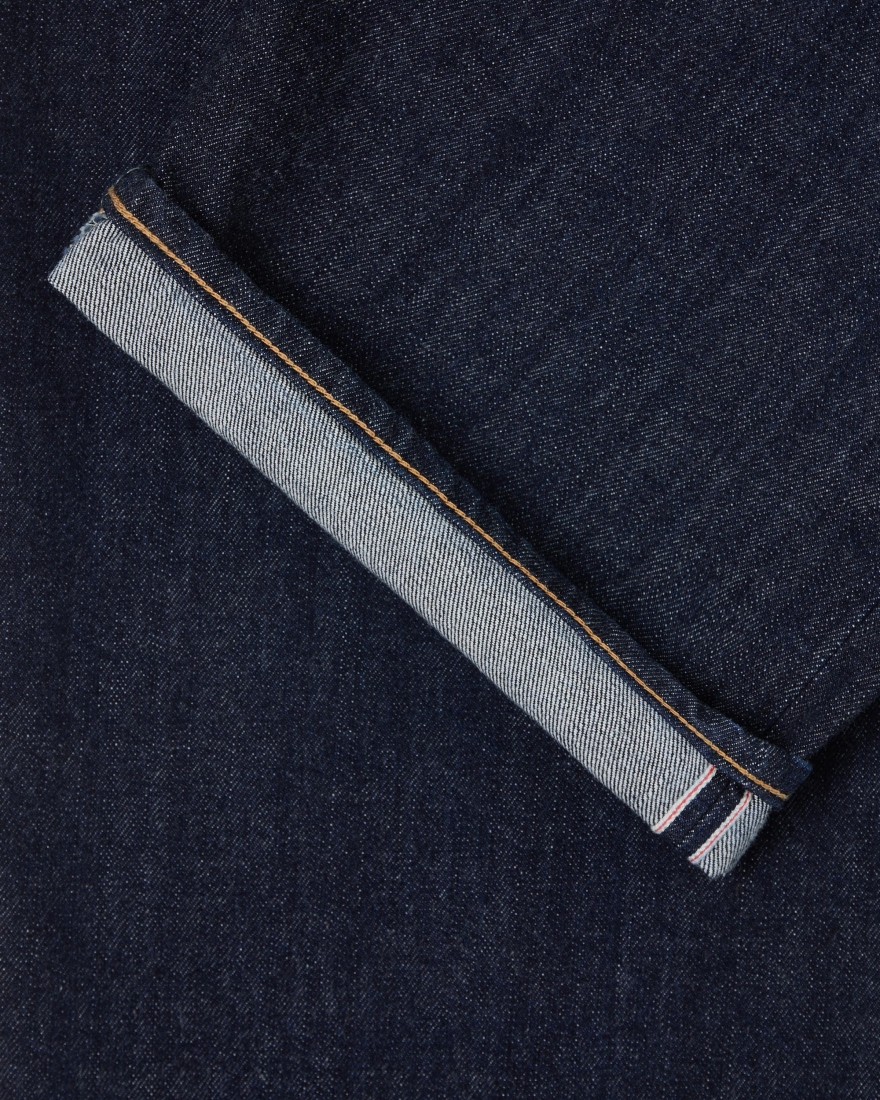
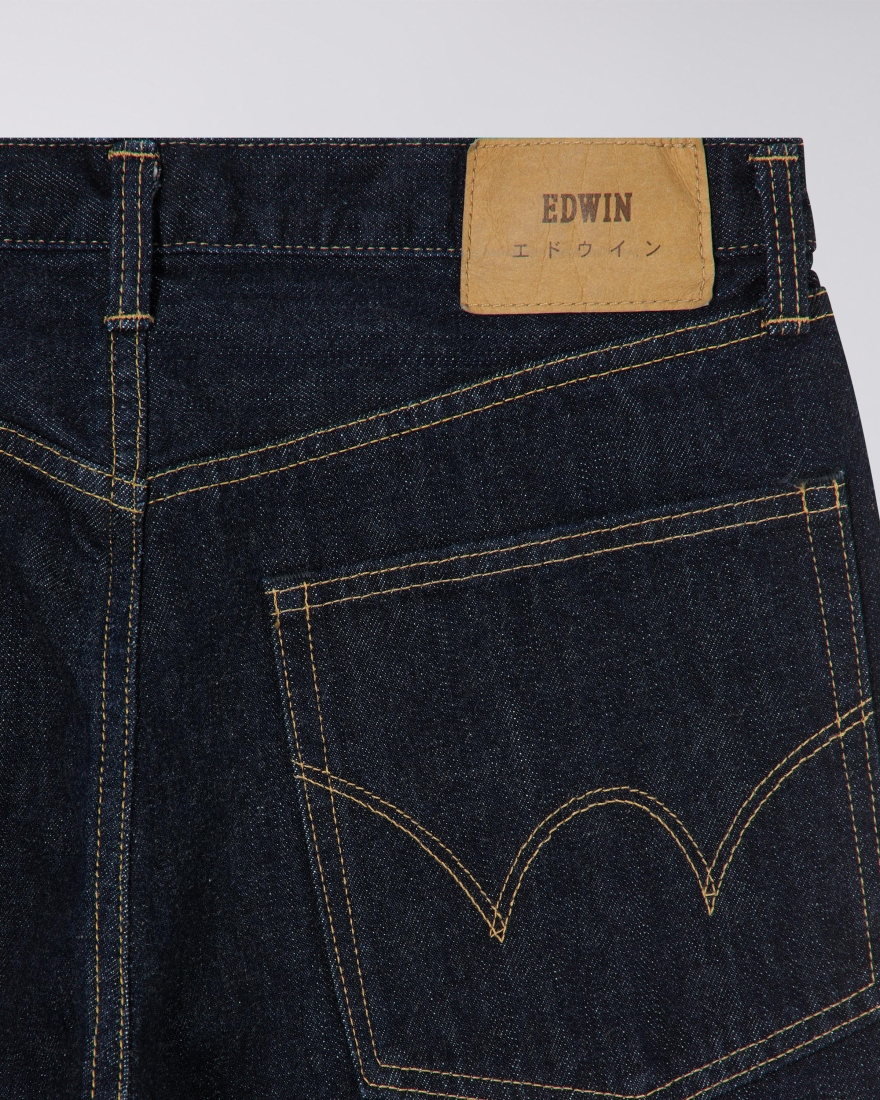
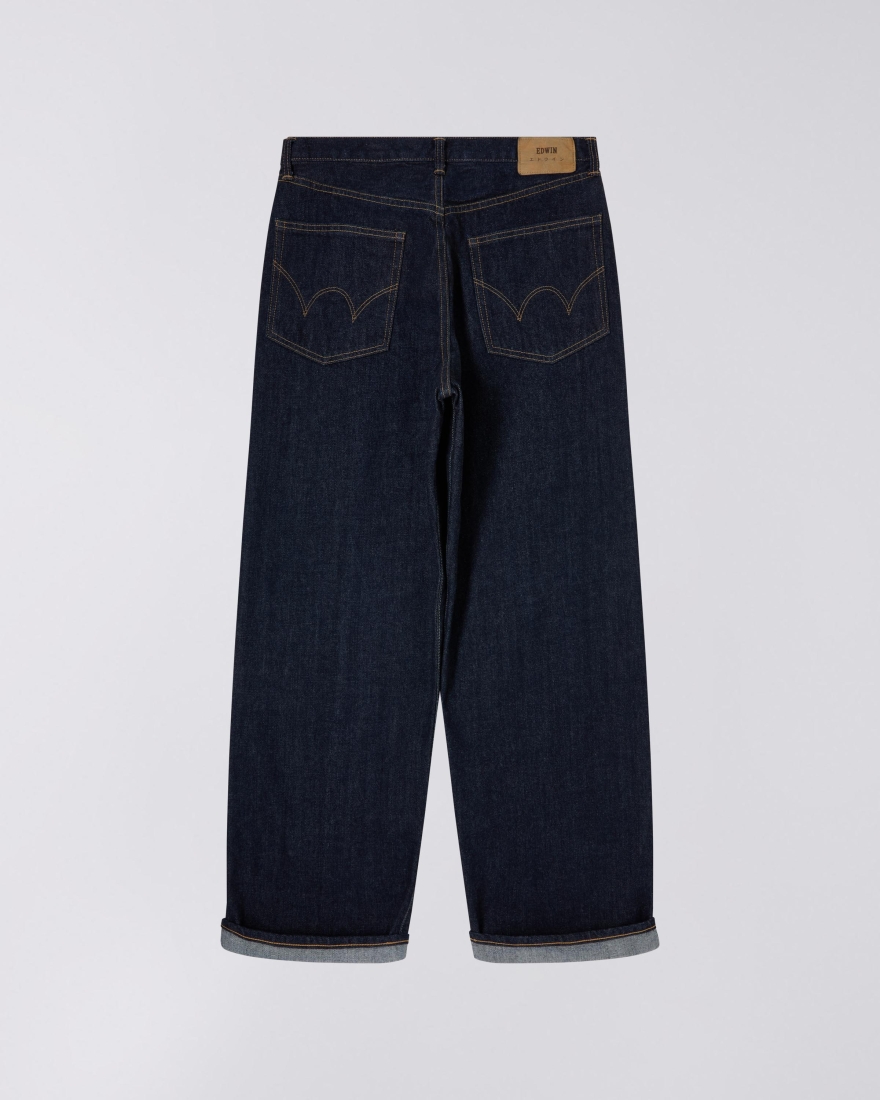
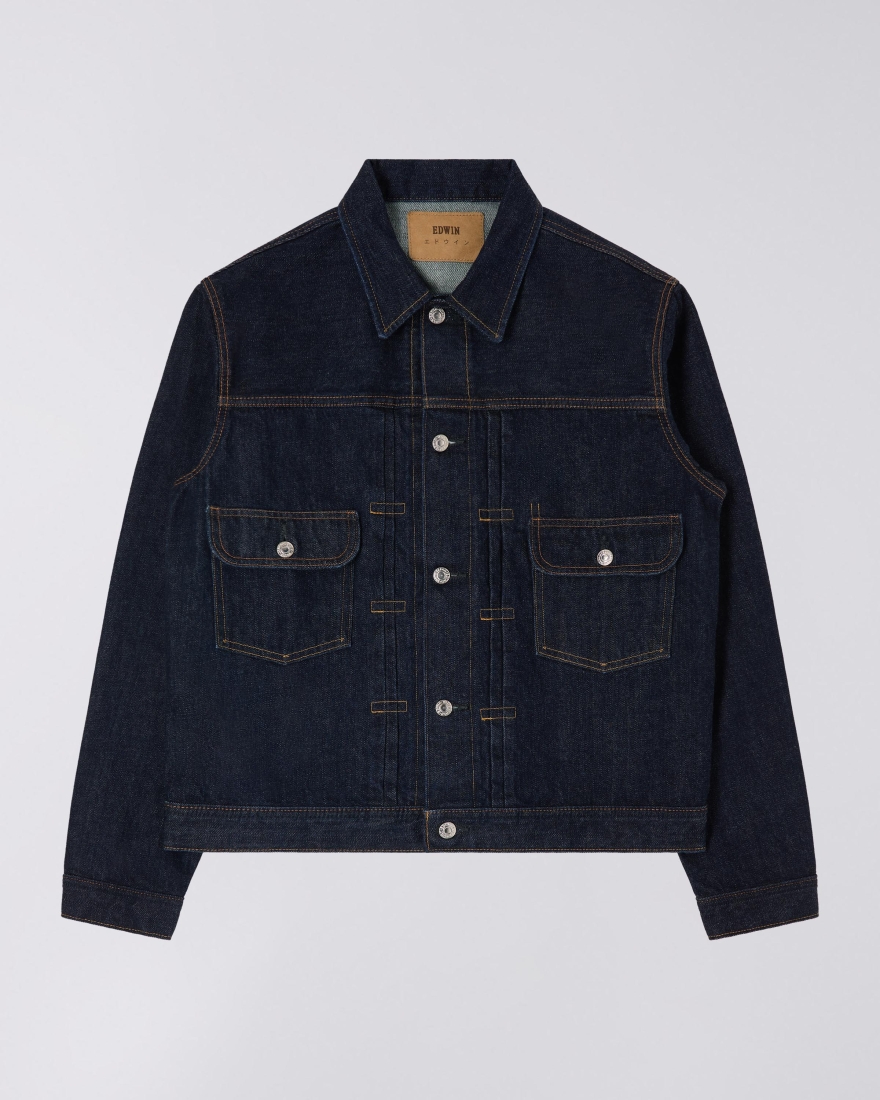
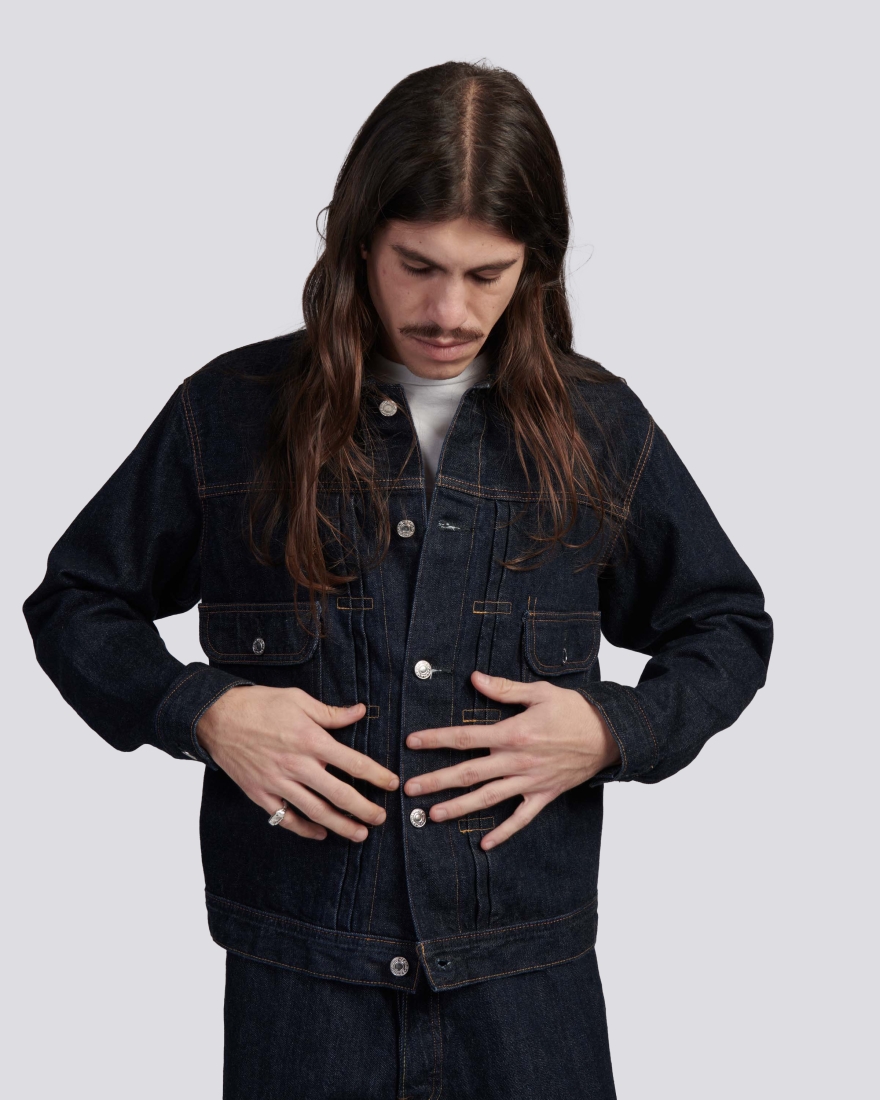
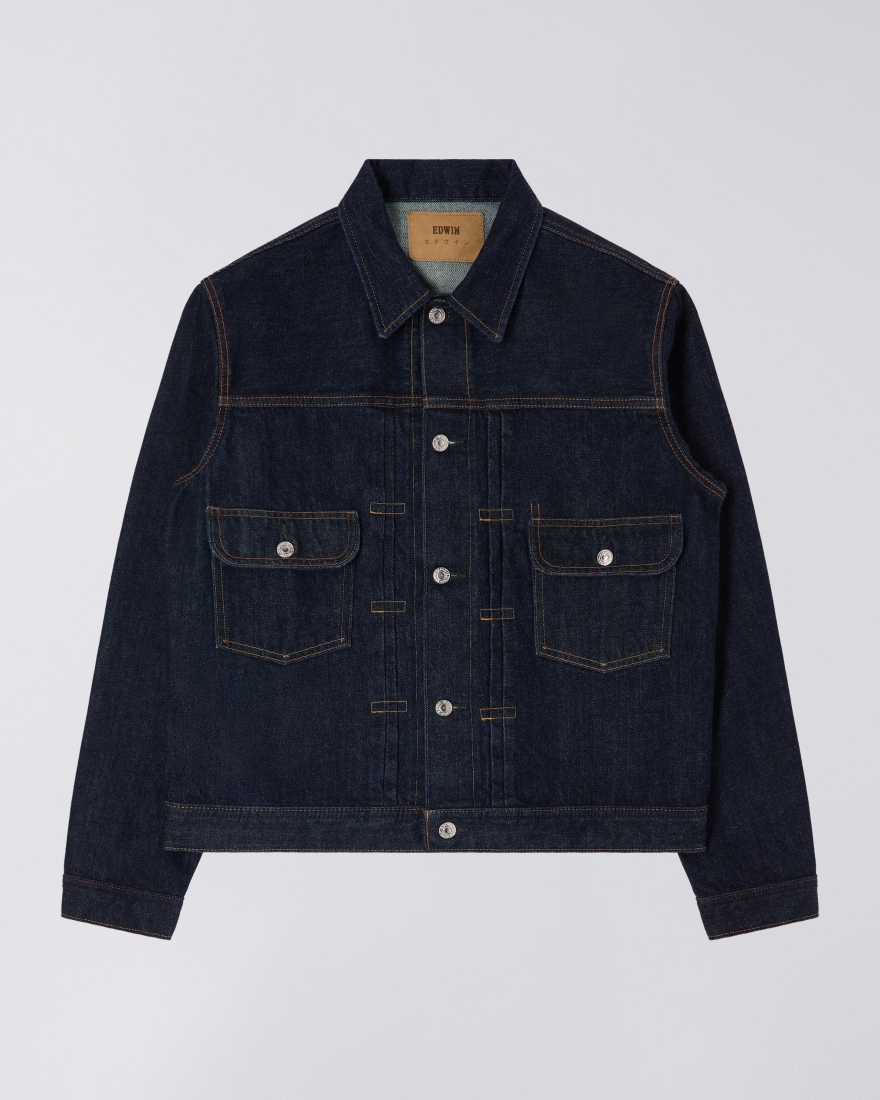
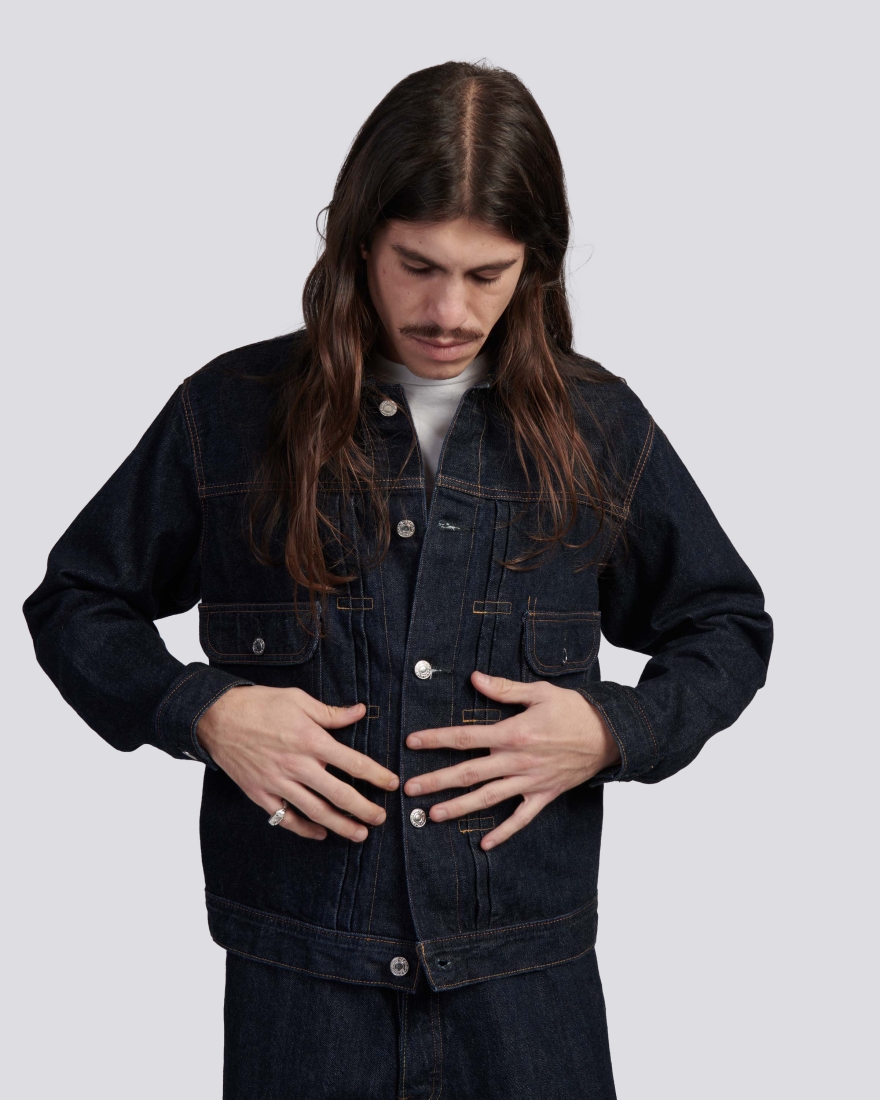
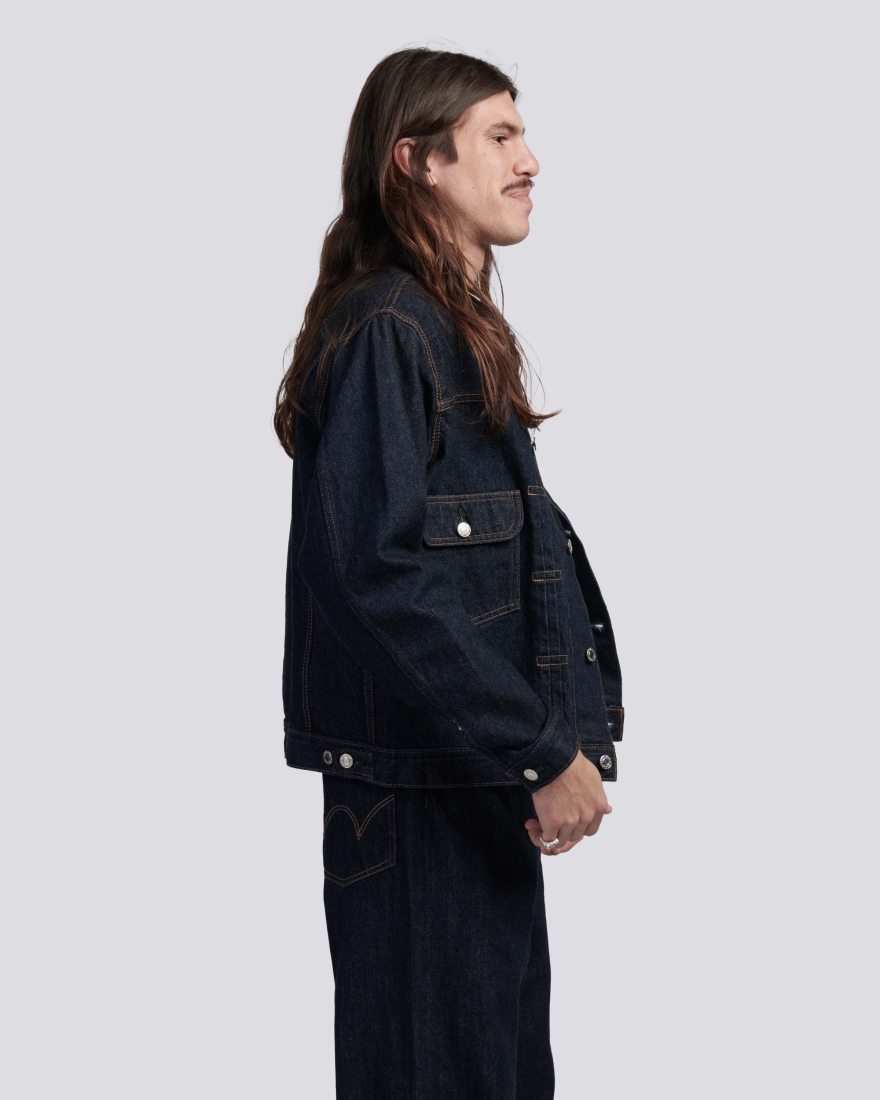
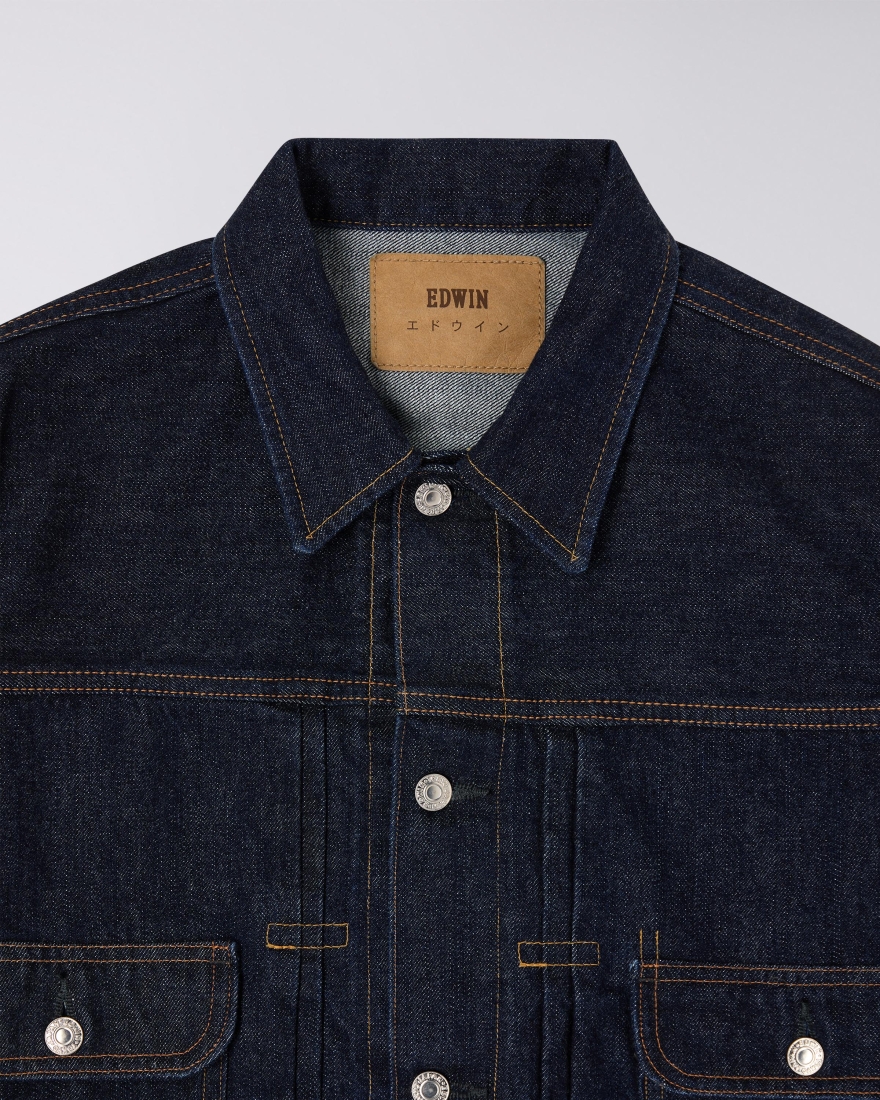
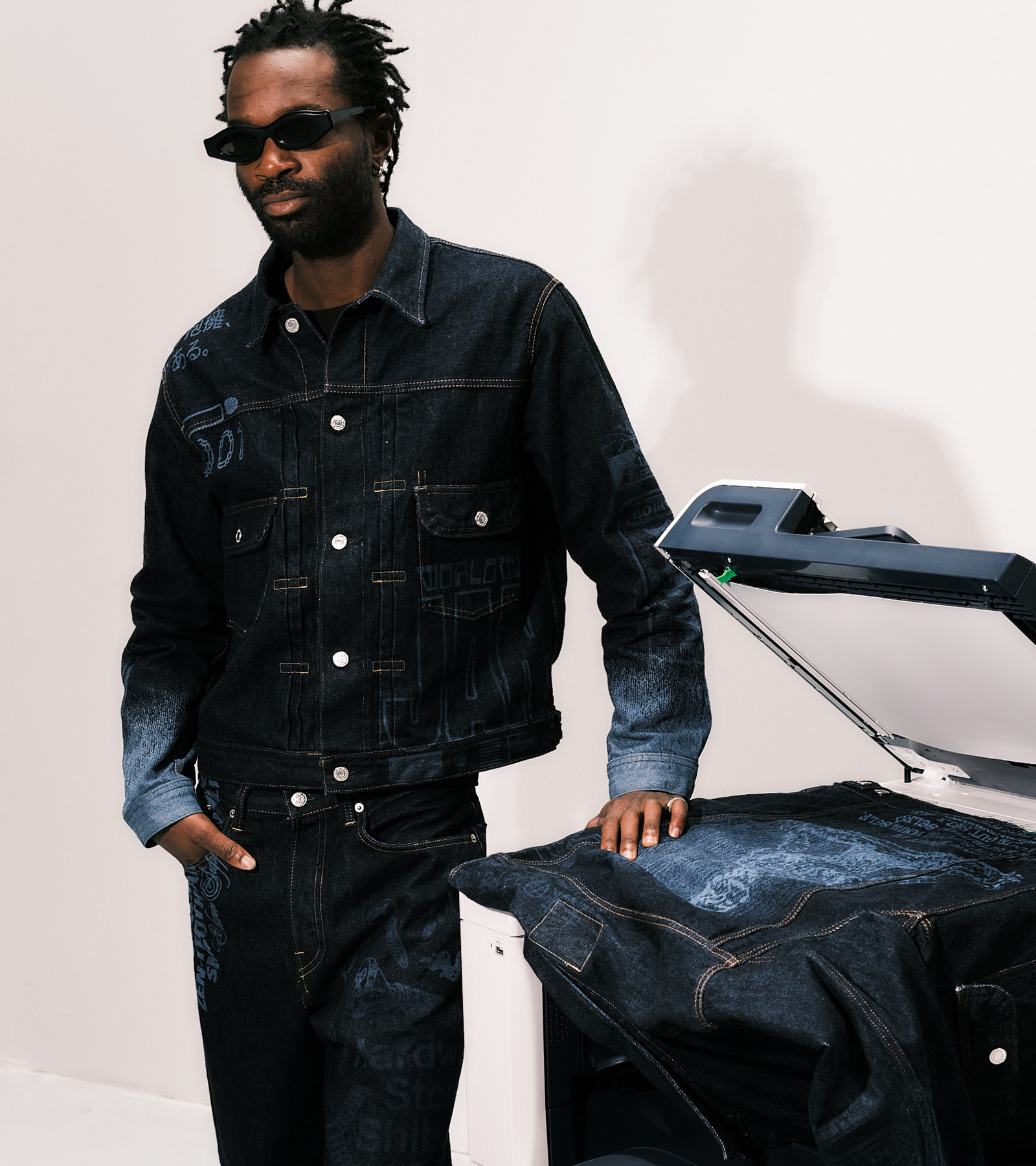
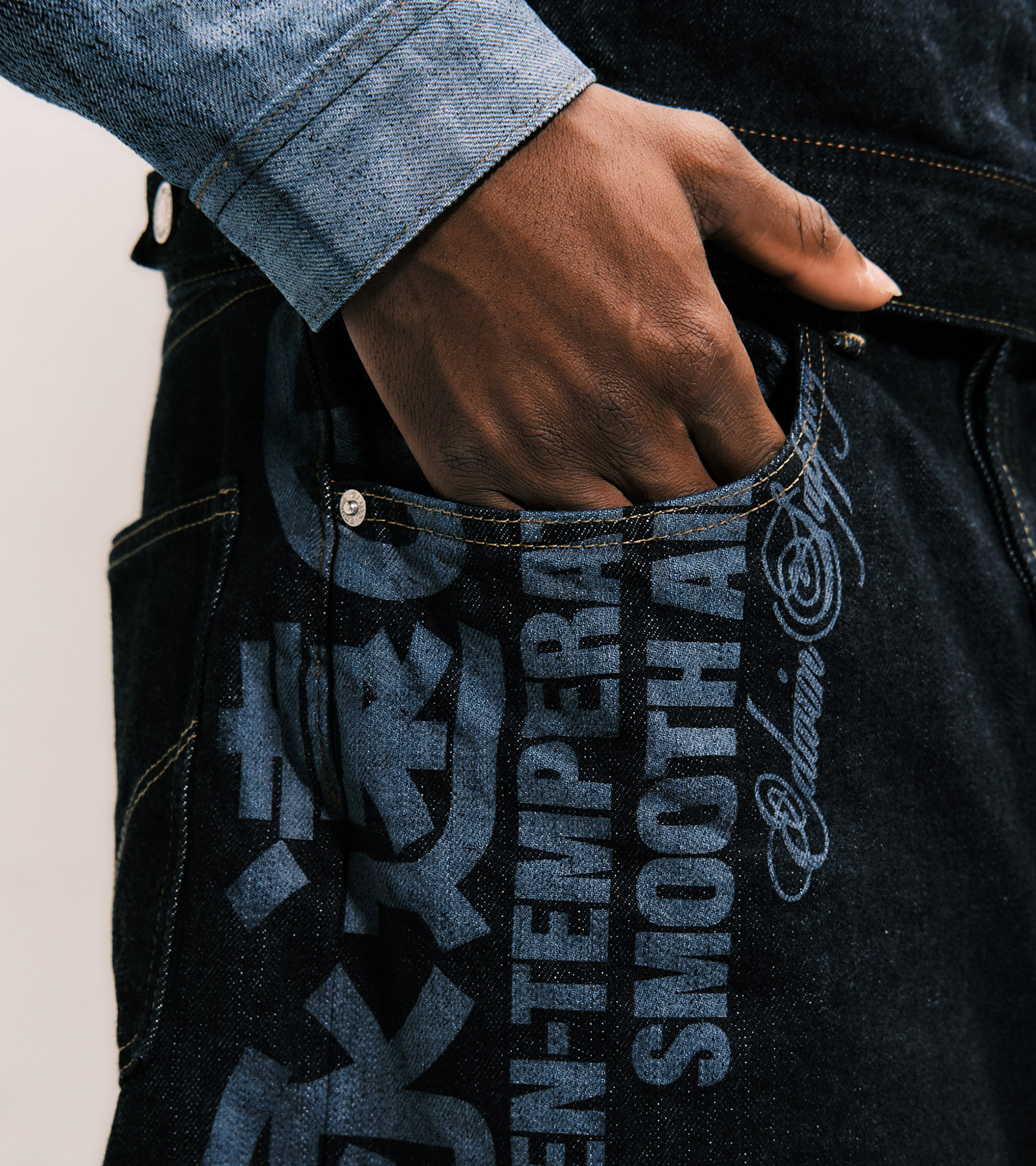
This month in Amsterdam, EDWIN joined forces with FREETER STUDIO for two days of workshops and a limited-edition laser-printed Made in Japan denim set.
Votre navigateur n’est plus pris en charge. Pour une expérience optimale, veuillez télécharger la dernière version de chrome, safari ou firefox
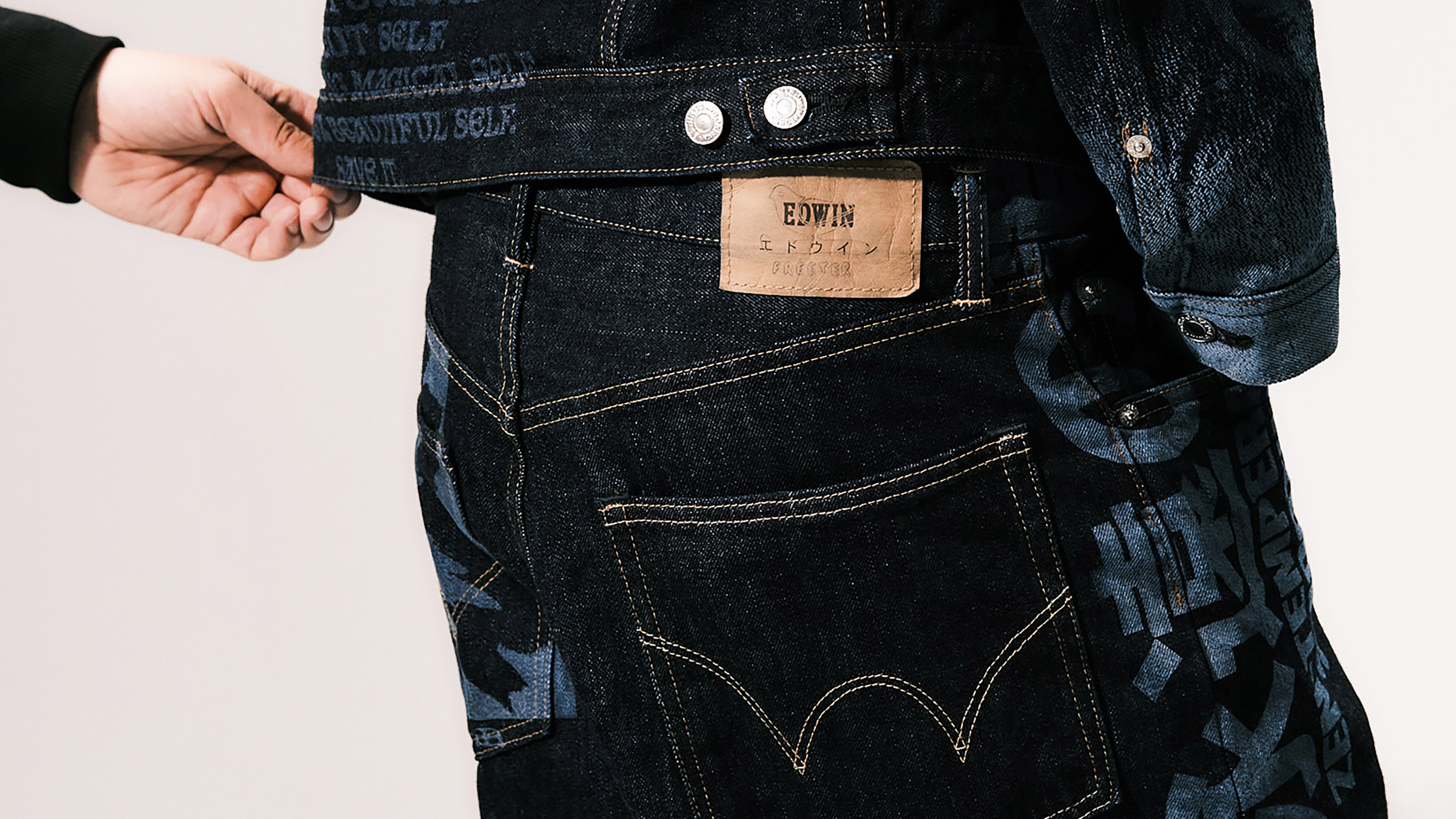
This month in Amsterdam, EDWIN joined forces with FREETER STUDIO for two days of workshops and a limited-edition laser-printed Made in Japan denim set.
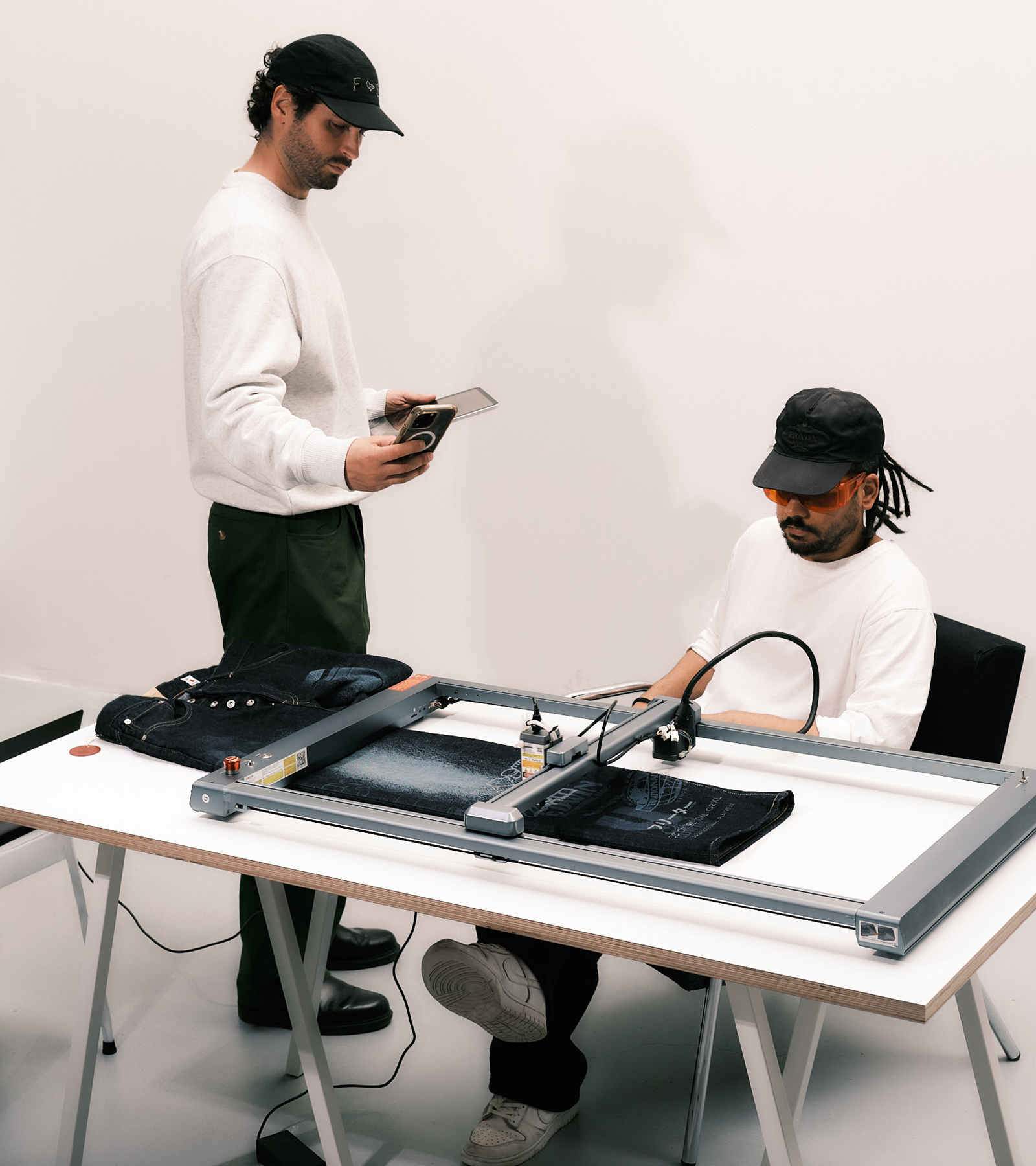
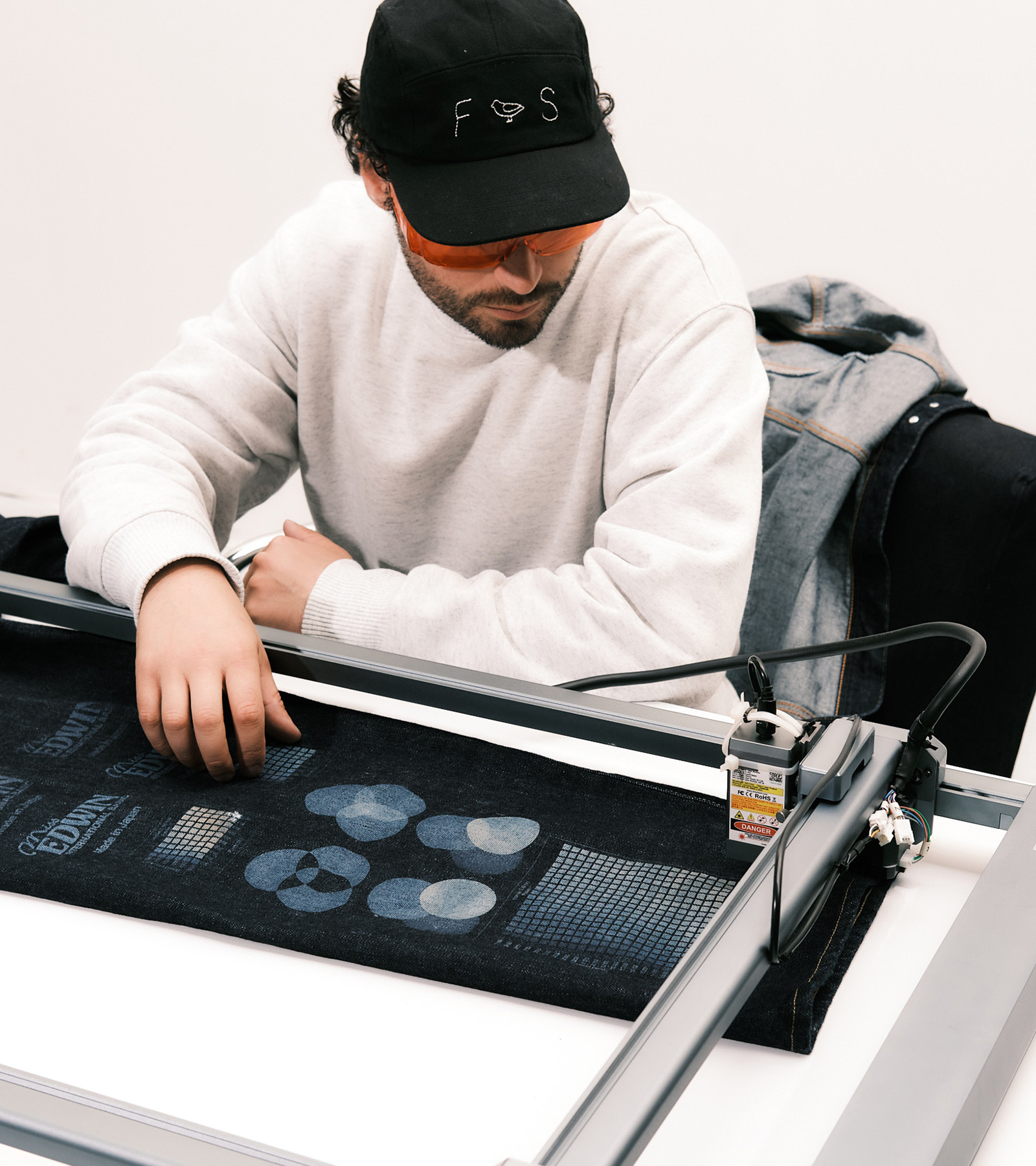
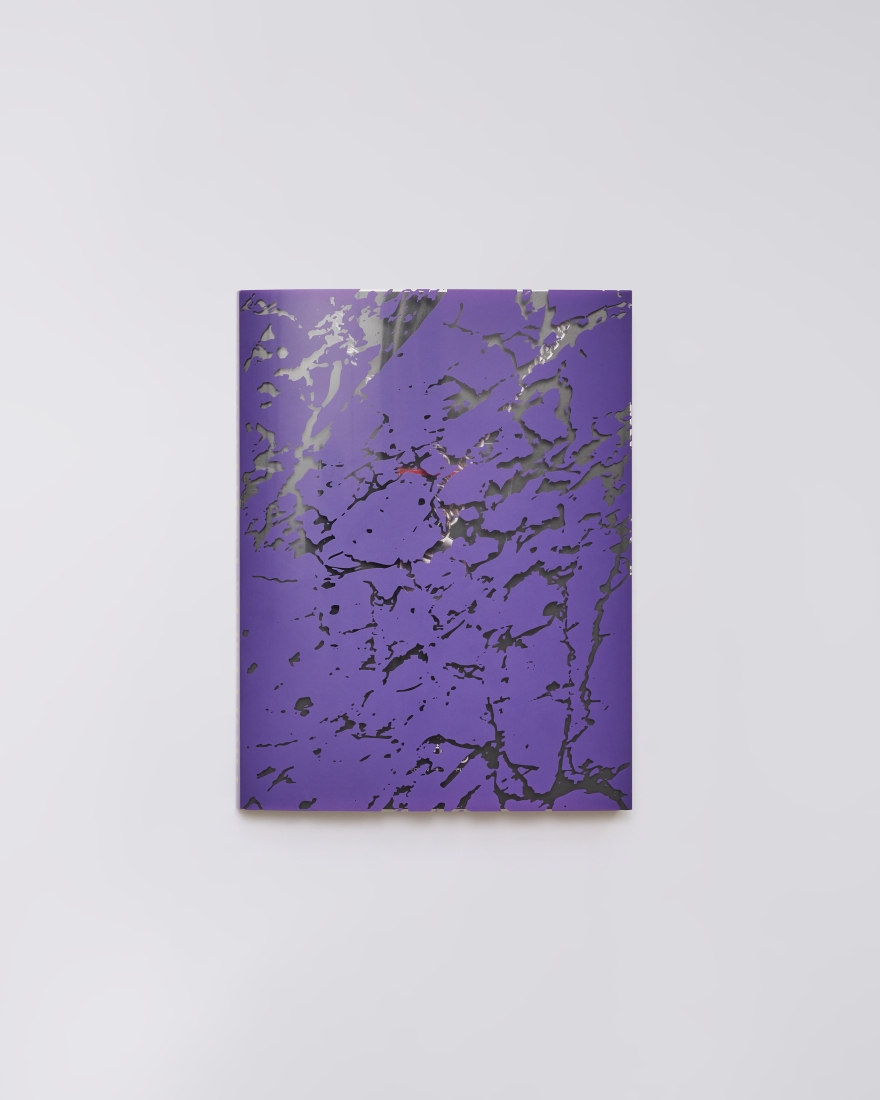
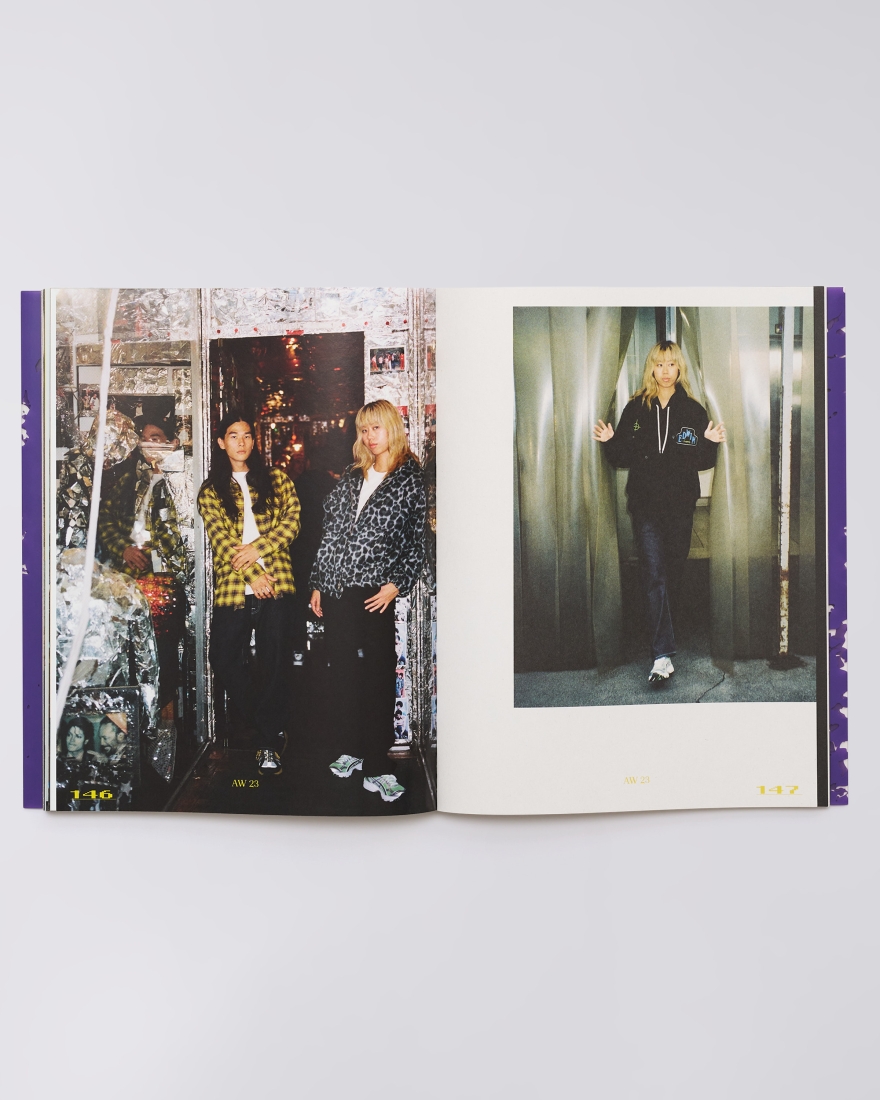
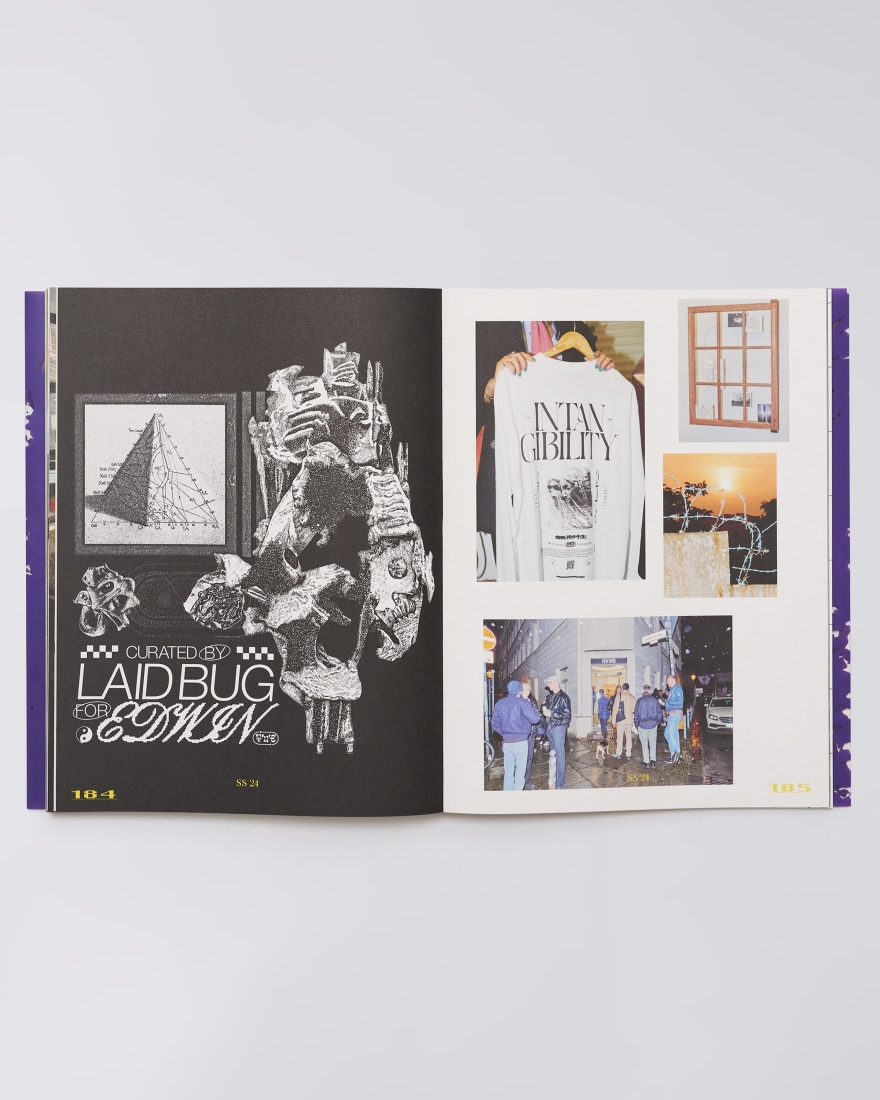
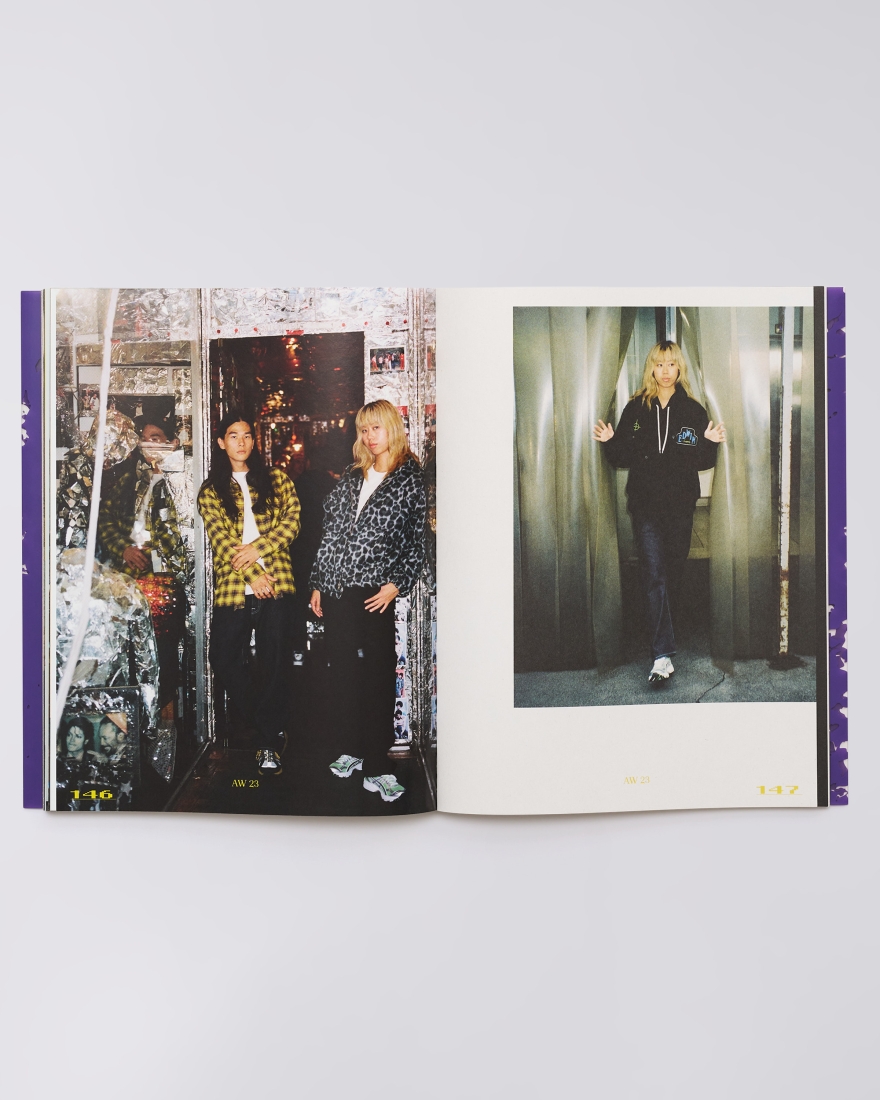
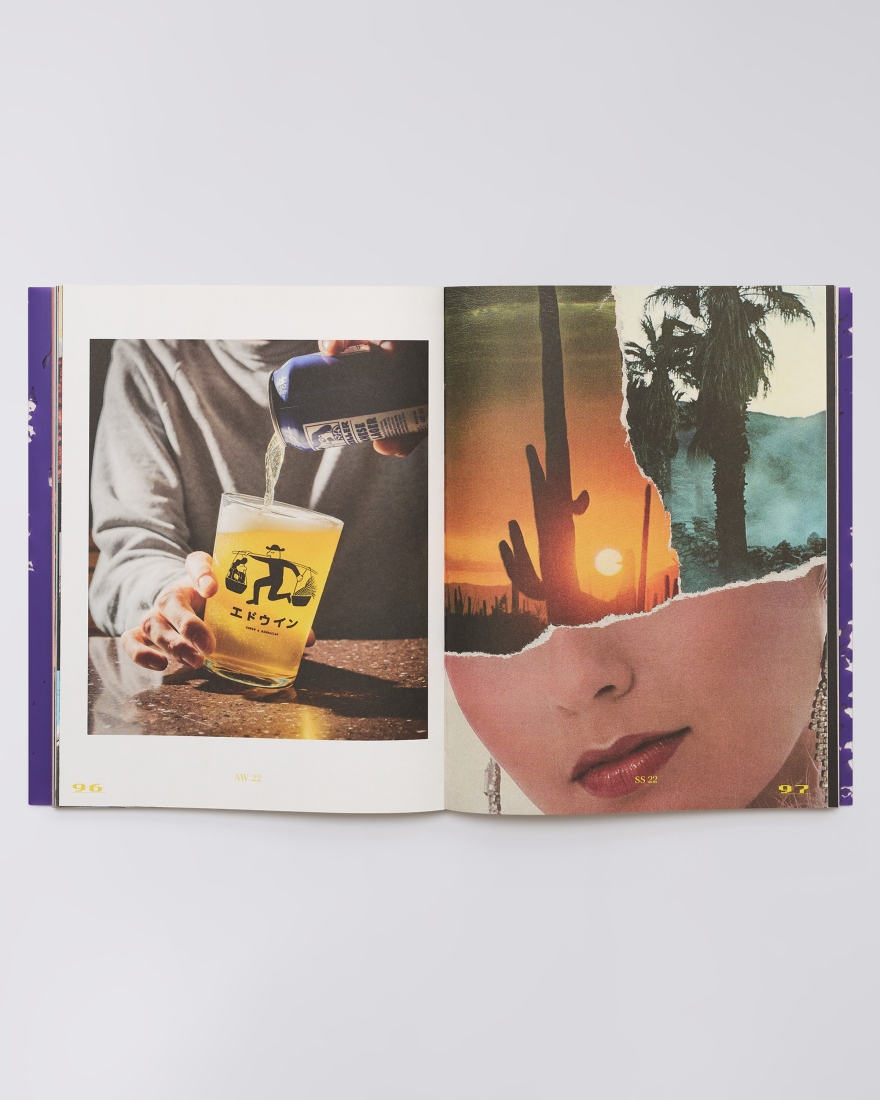
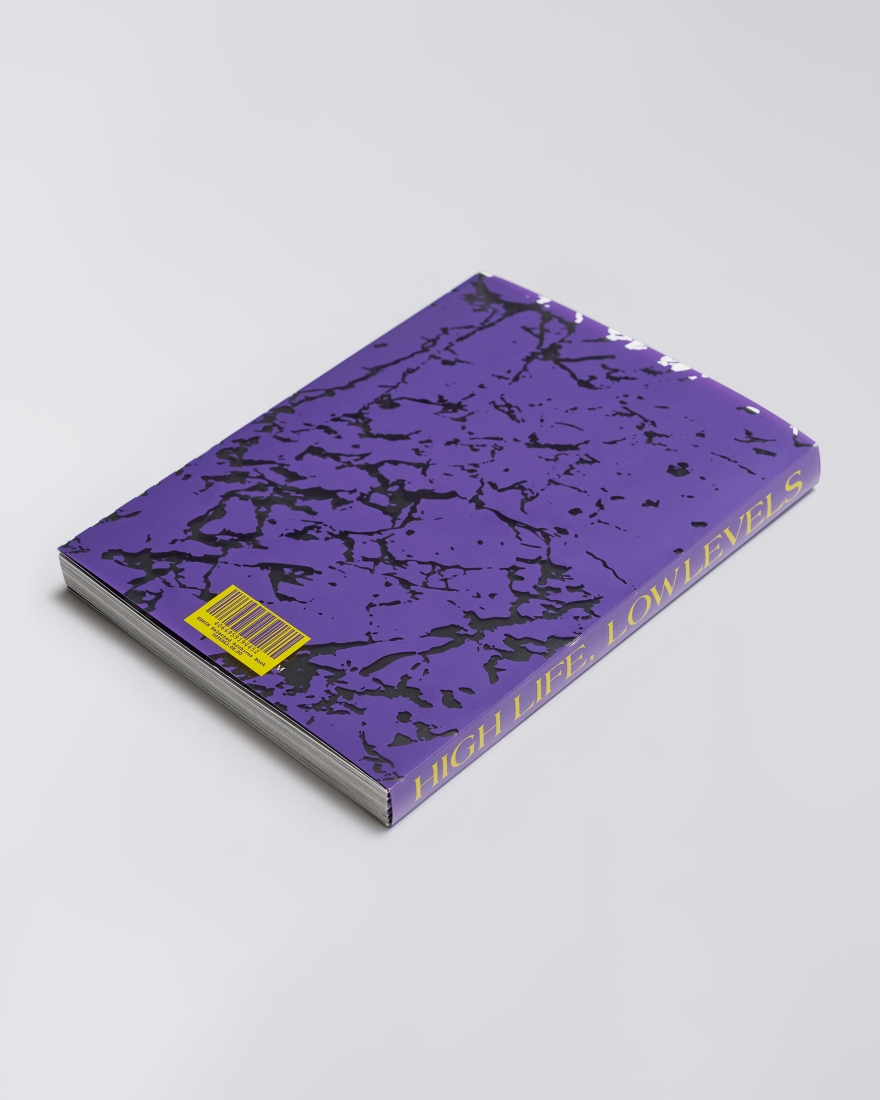
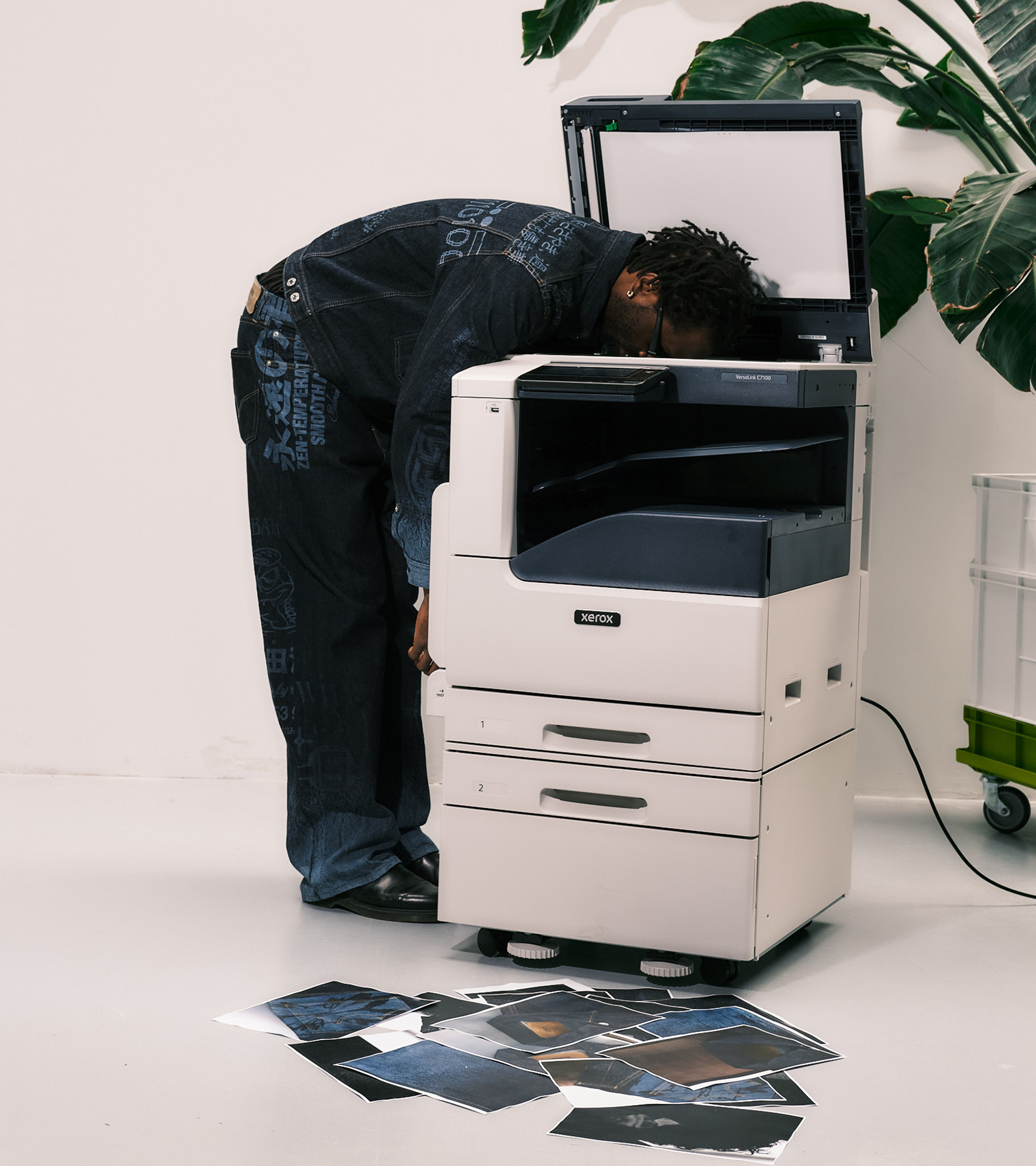
Inspired by the EDWIN Selected Archives Book, the collaboration reworked archive graphics into one-of-one garments through Freeter Studio's laser printing process.
Presented during Amsterdam Fashion Week alongside a public workshop and exhibition, the project offered visitors a closer look at the studio's creative practice.
To mark the collaboration, we sat down with Nathanael and Yannick to discuss the origins of Freeter Studio, their approach to making, and the ideas behind the project.
For those who don’t know Freeter yet, how would you describe the brand in your own words?
Freeter started as a clothing brand, doing seasonal collections and wholesale. Right now, we’re in a transition. On the clothing side, we’re moving towards smaller Made in Japan capsules and drops that we customise in-house using different techniques. At the same time, we’re developing Freeter more and more as a creative studio, working on installations, activations, events and collaborations for other brands.
Where did the idea for Freeter come from, and what made you guys want to build the brand?
The original idea behind Freeter was really about creating our own freedom. We wanted to build something around what we were interested in, create our own world around it, and eventually find a way to sustain it. Clothing felt like a natural starting point because it allowed us to bring together graphics, photography, design and storytelling. But the bigger idea was always to create something that gave us the freedom to explore different interests and disciplines, rather than being tied to one specific way of working.
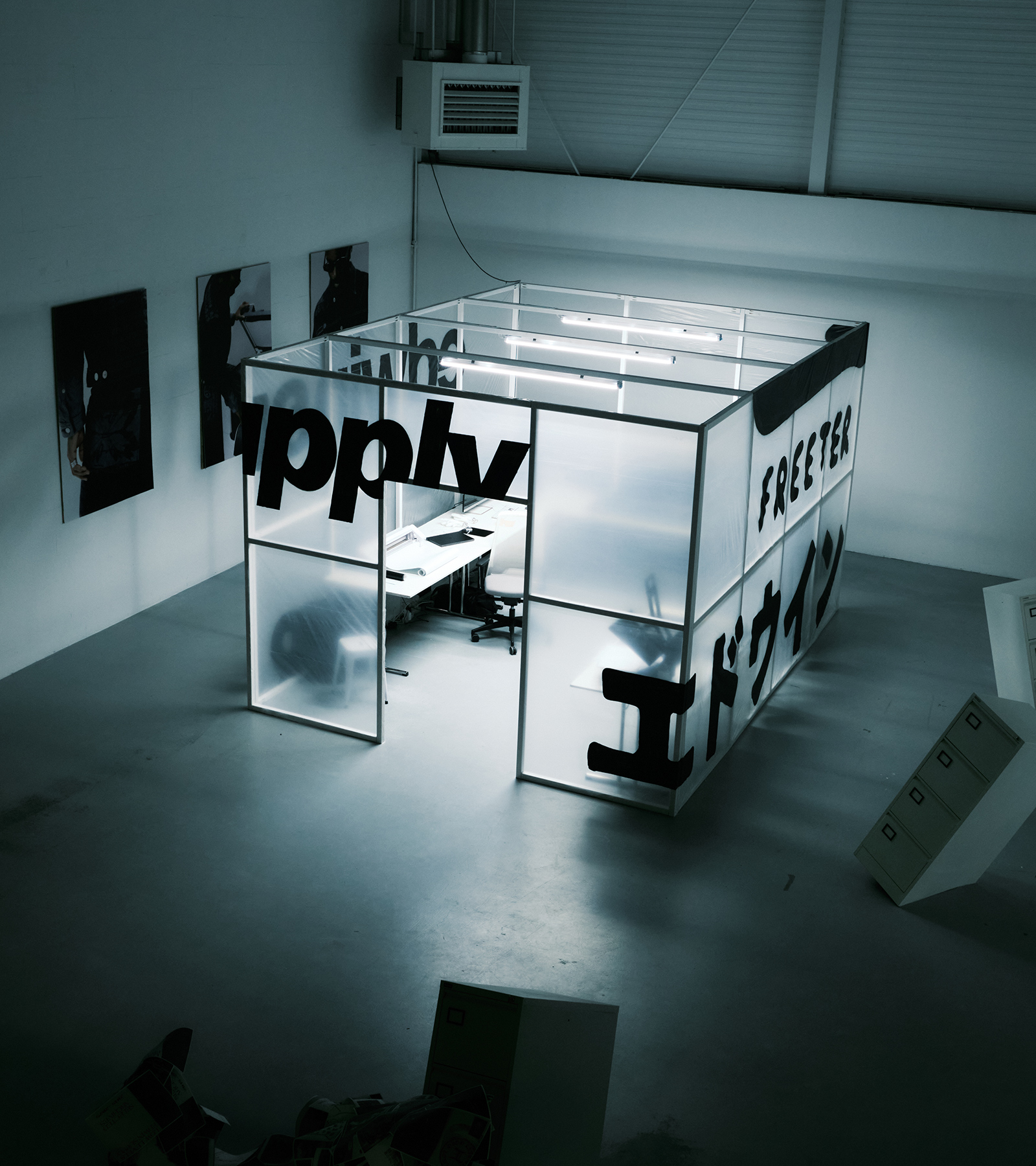
The word “Freeter” comes from a Japanese concept of stepping outside the traditional 9–5 lifestyle. What does that idea mean to you personally?
For us, it’s about freedom and creating your own way of working rather than following a predefined path. It doesn't necessarily mean rejecting the 9–5, but rather questioning the idea that there is only one way you’re supposed to work or build a career. That mindset has always been important to Freeter: being able to move between different disciplines and follow an idea wherever it takes us.
How has Japanese work culture shaped Freeter's identity and visual language?
We’ve always been interested in the contrast between the salaryman and the freeter. One represents a very structured and uniform way of working, while the other exists outside of that traditional system. A lot of our visual language comes from that contrast. We use references from office life — ties, workwear, memos, filing systems and stationery — and take them out of their normal context. There’s often something quite functional and serious at the base, which we then try to disrupt or make more playful.
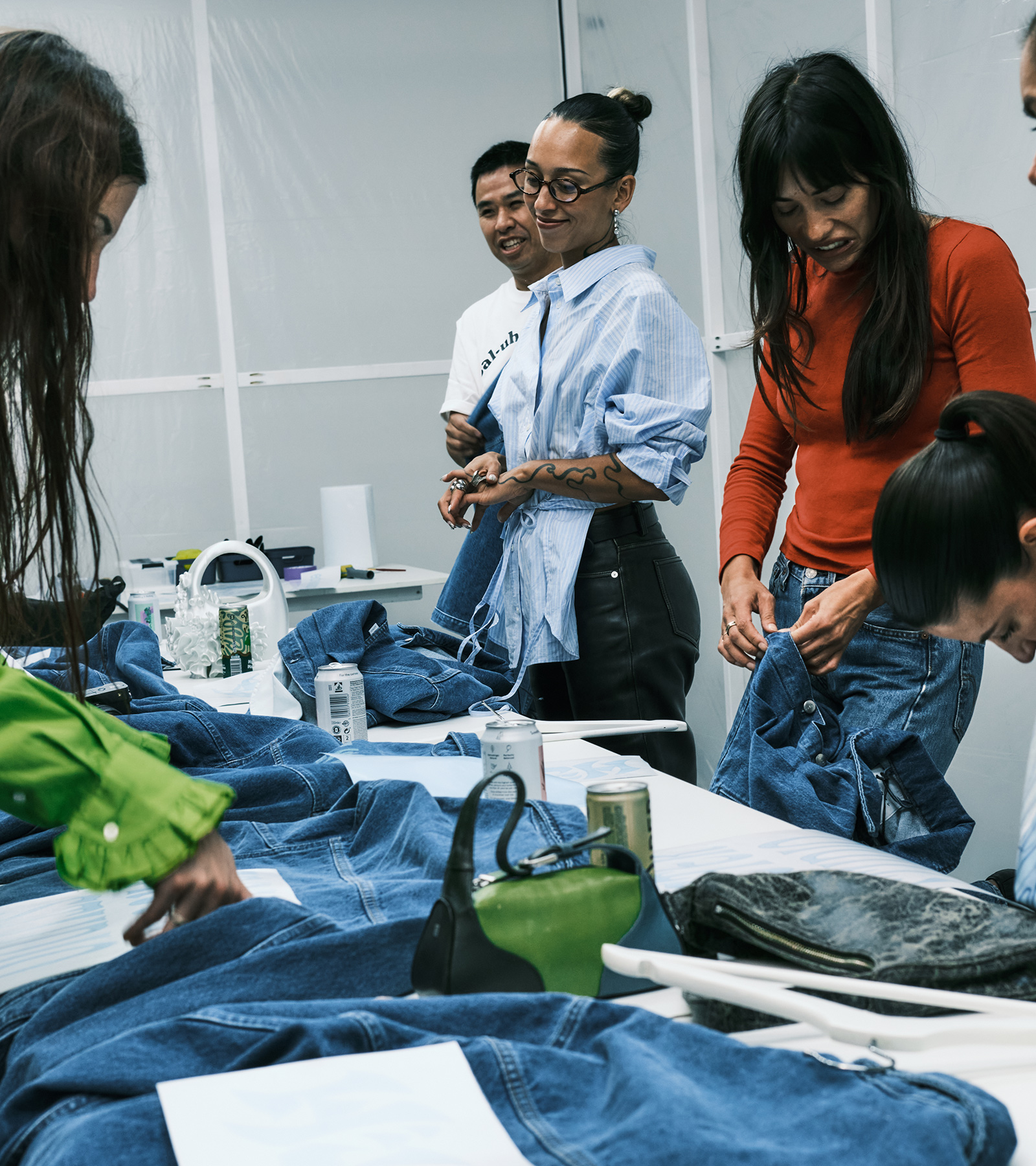
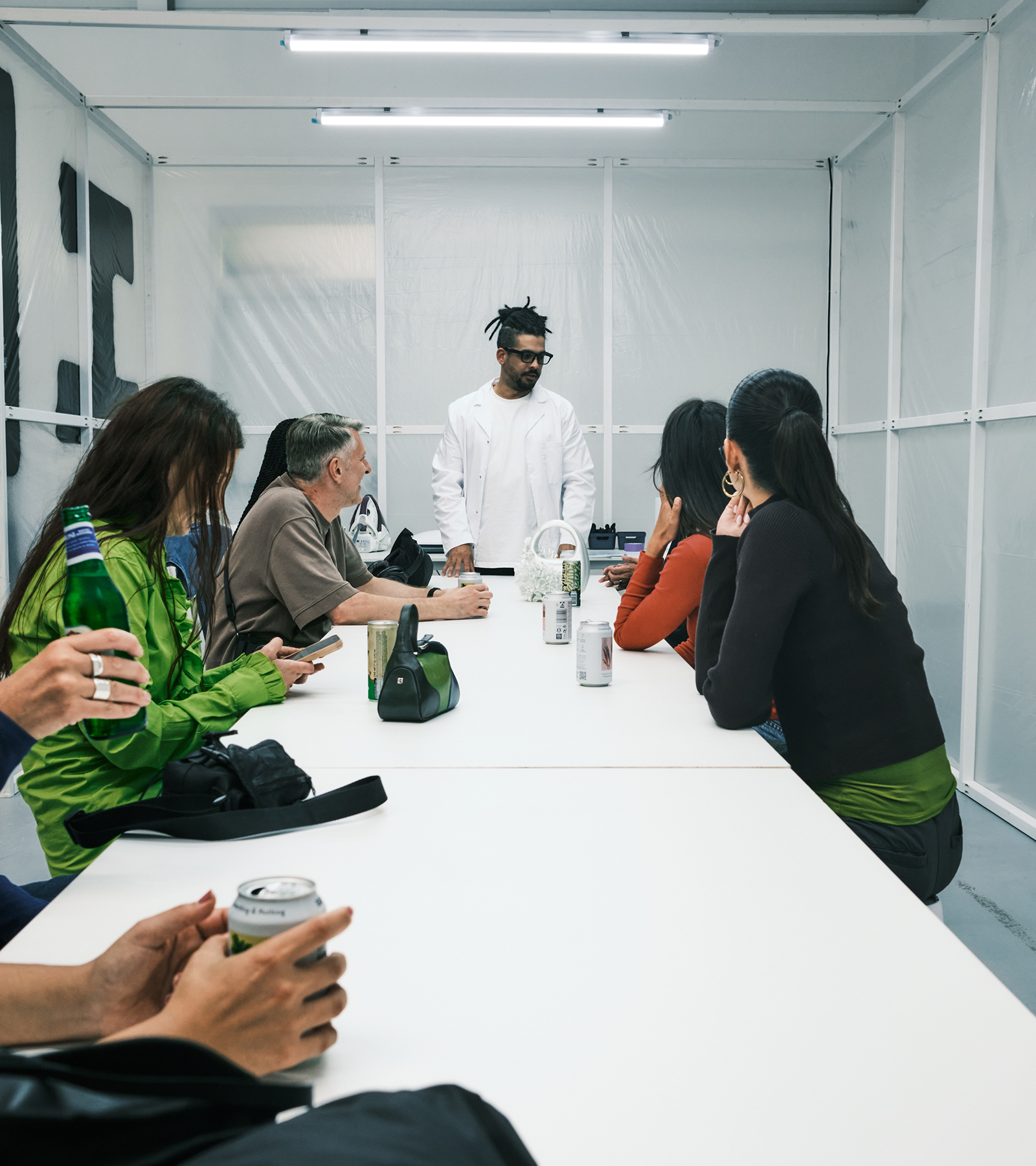
You also produce a lot of things in-house, from printing to sculptures and set pieces and, of course, our collab exhibition. Why is keeping that process close to the studio important to you?
It gives us the freedom to develop ideas through making rather than having everything figured out beforehand. We can print, laser, decolourise, airbrush, prototype and build things ourselves, so experimentation becomes part of the design process.It also creates a connection between everything we do. A technique might start on a garment but then become an idea for an object or installation. That hands-on approach is becoming increasingly important to how we want Freeter to work.
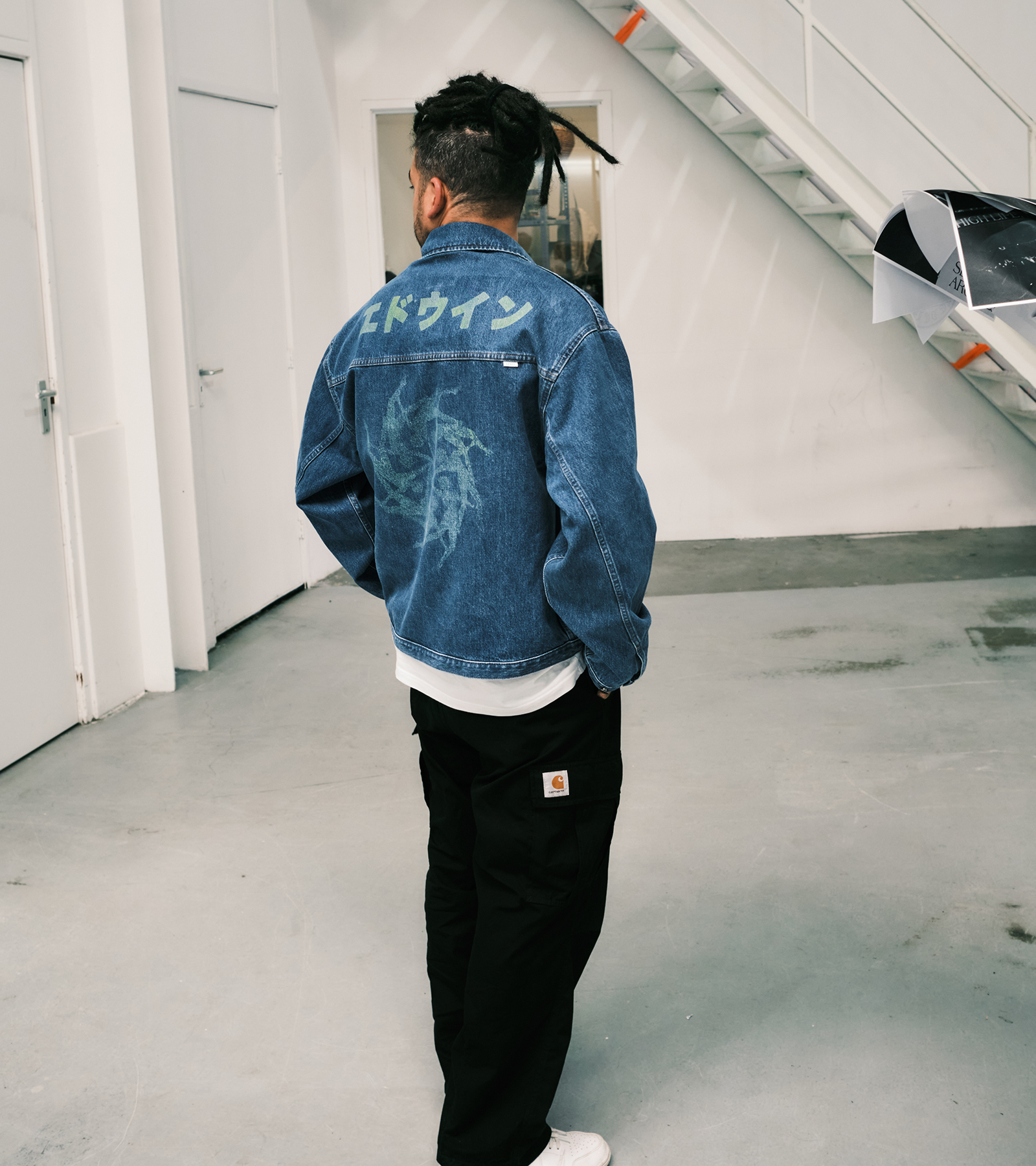
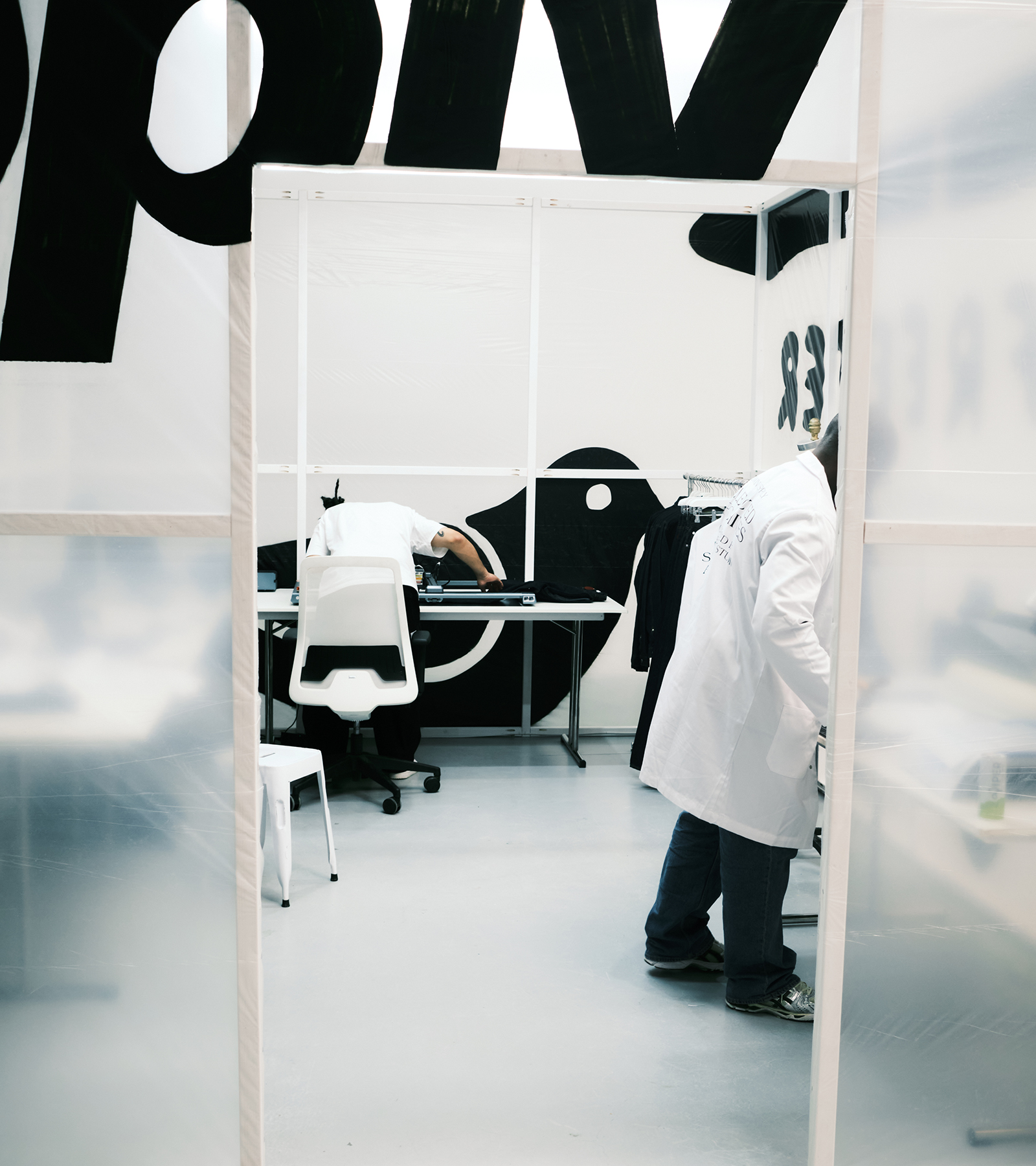
Can you tell us more about the process of setting up the exhibition and what the story behind it is?
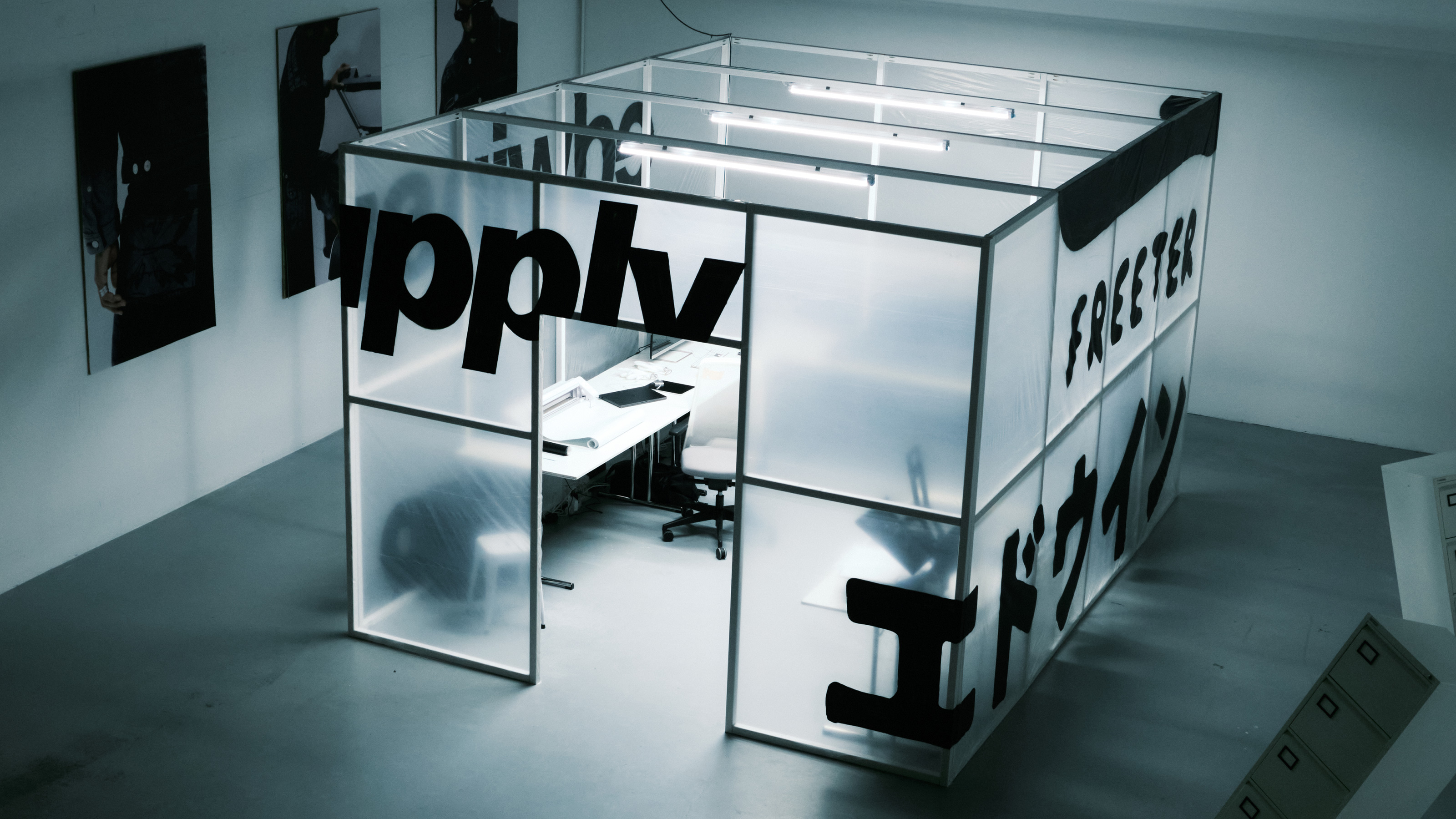
It actually started with the denim set. We used EDWIN’s rich archive as a reference and began experimenting with different ways of laser engraving and treating the denim, taking elements from the archive and translating them into something new. From there, the idea naturally grew beyond the garment. We started thinking about the archive itself — not just what was inside it, but the whole visual language around archiving: filing cabinets, documents, storage systems and the almost office-like environment.
That became the basis for the exhibition. We took those familiar elements out of their normal context, with tilted and suspended filing cabinets, paper coming out of drawers and working laboratory spaces where the process of experimenting and making became visible. So in a way, the exhibition grew directly out of the denim set: starting with the archive, experimenting with it on a garment, and then expanding that same process into an entire physical space.
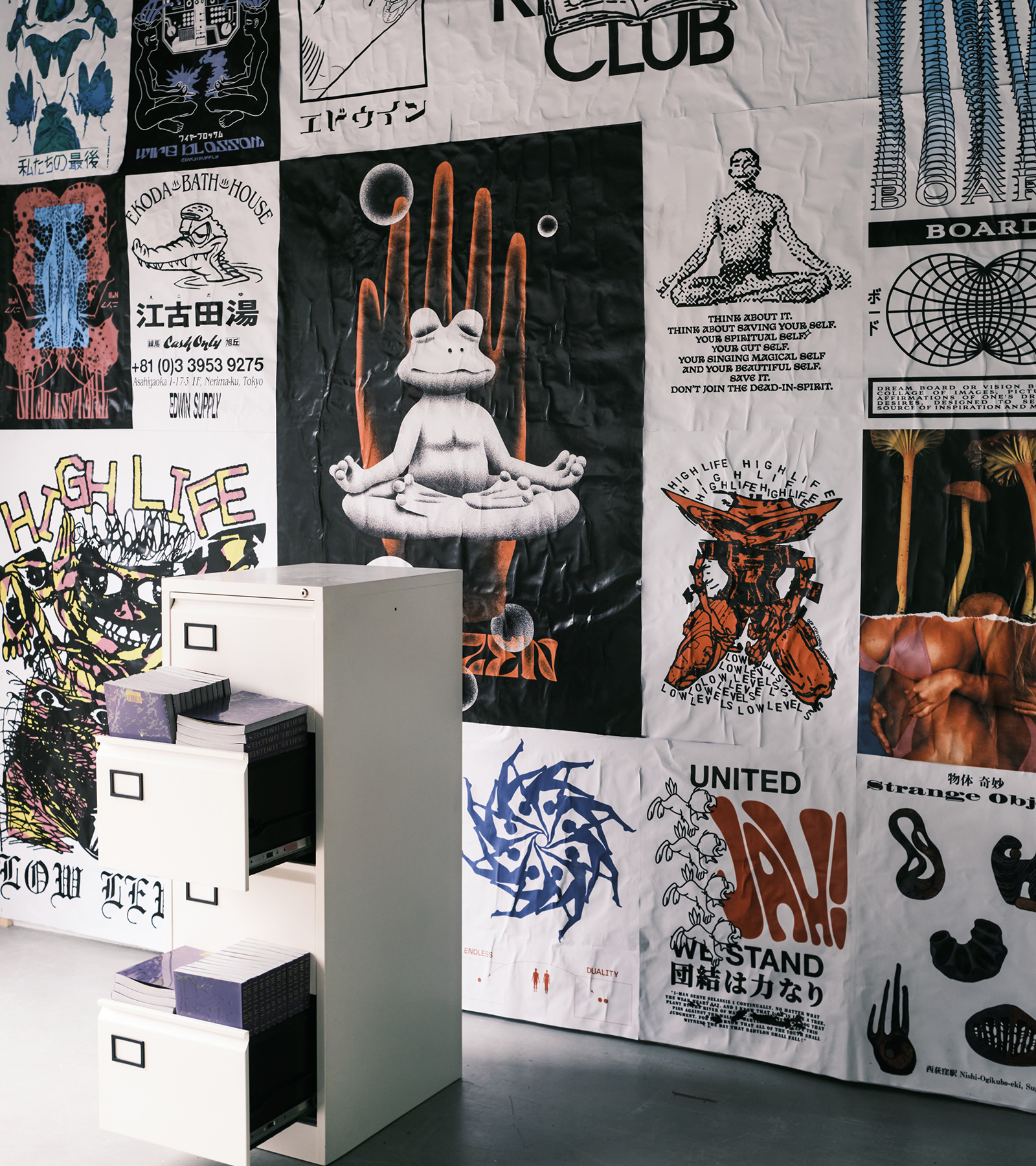
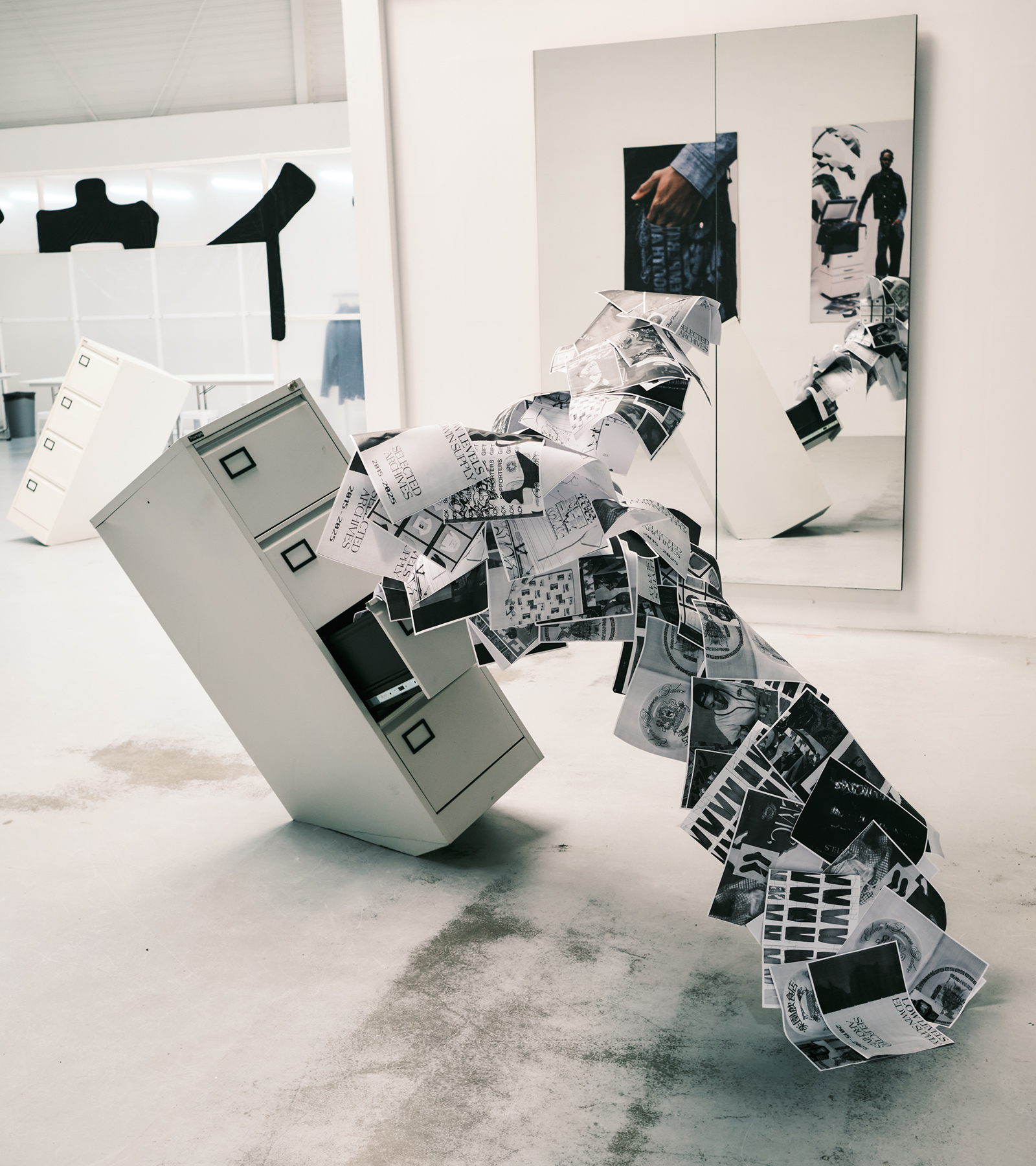
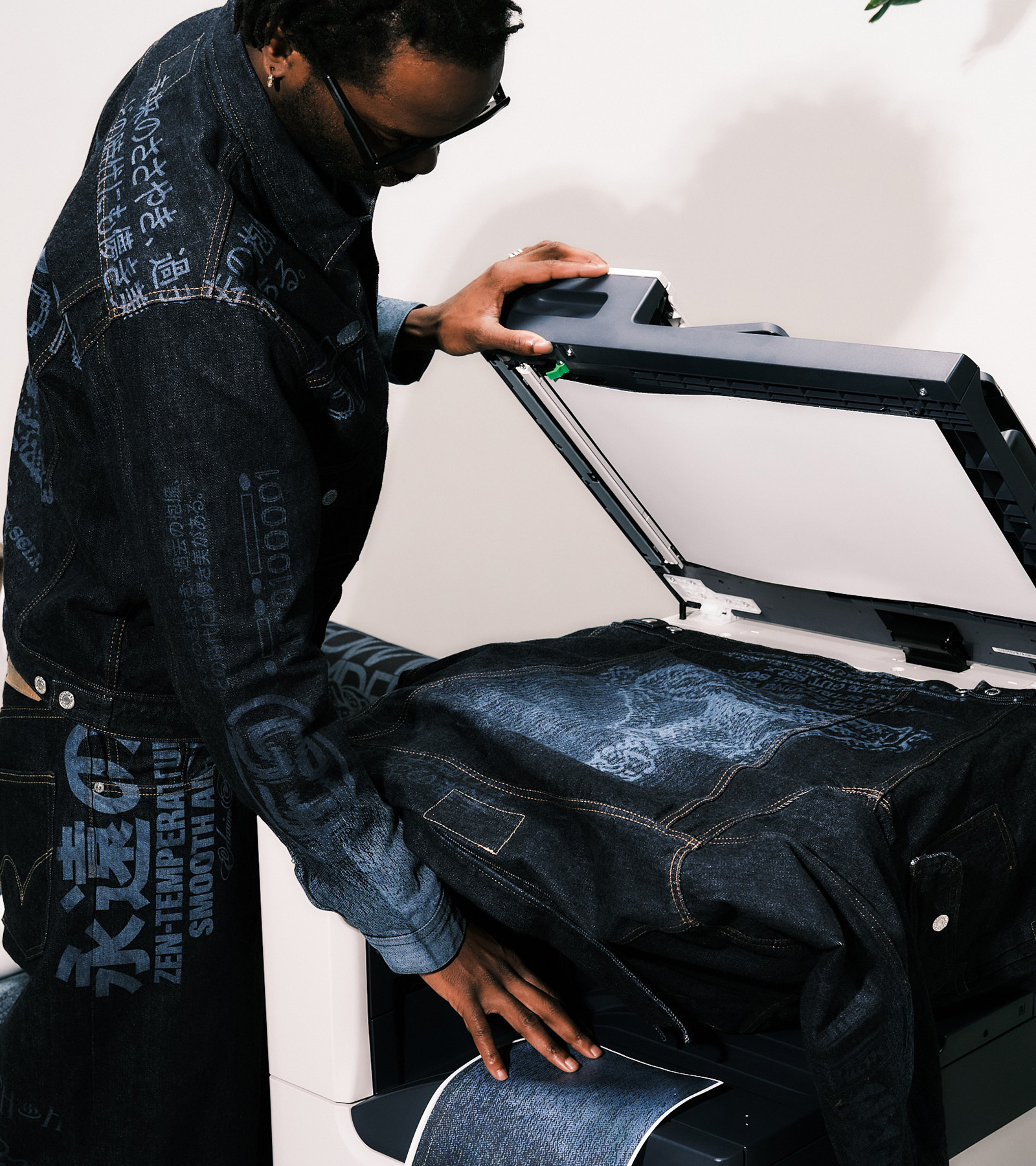
How did the workshop go? Was this the first time?
It was the first time we did a workshop like this on this scale, and it worked really well within the exhibition. People could actually work with techniques we use in the studio and customise their own EDWIN piece. It made people part of the process rather than just showing them the final outcome. That interaction is something we'd definitely like to develop further in future activations and collaborations.
Looking ahead, what would you like Freeter to become and what would you never want the brand to lose along the way?
The biggest ambition is to establish Freeter more as a creative studio and take on larger projects with other brands — installations, activations, events and collaborations where we can combine different disciplines. We still want clothing to be part of Freeter, but on our own terms. Moving away from wholesale gives us the opportunity to make fewer, more considered drops and use them as a space to experiment with techniques and ideas. What we never want to lose is that hands-on mentality. Even if the projects become much bigger, we still want to be in the studio testing, prototyping and making things ourselves.
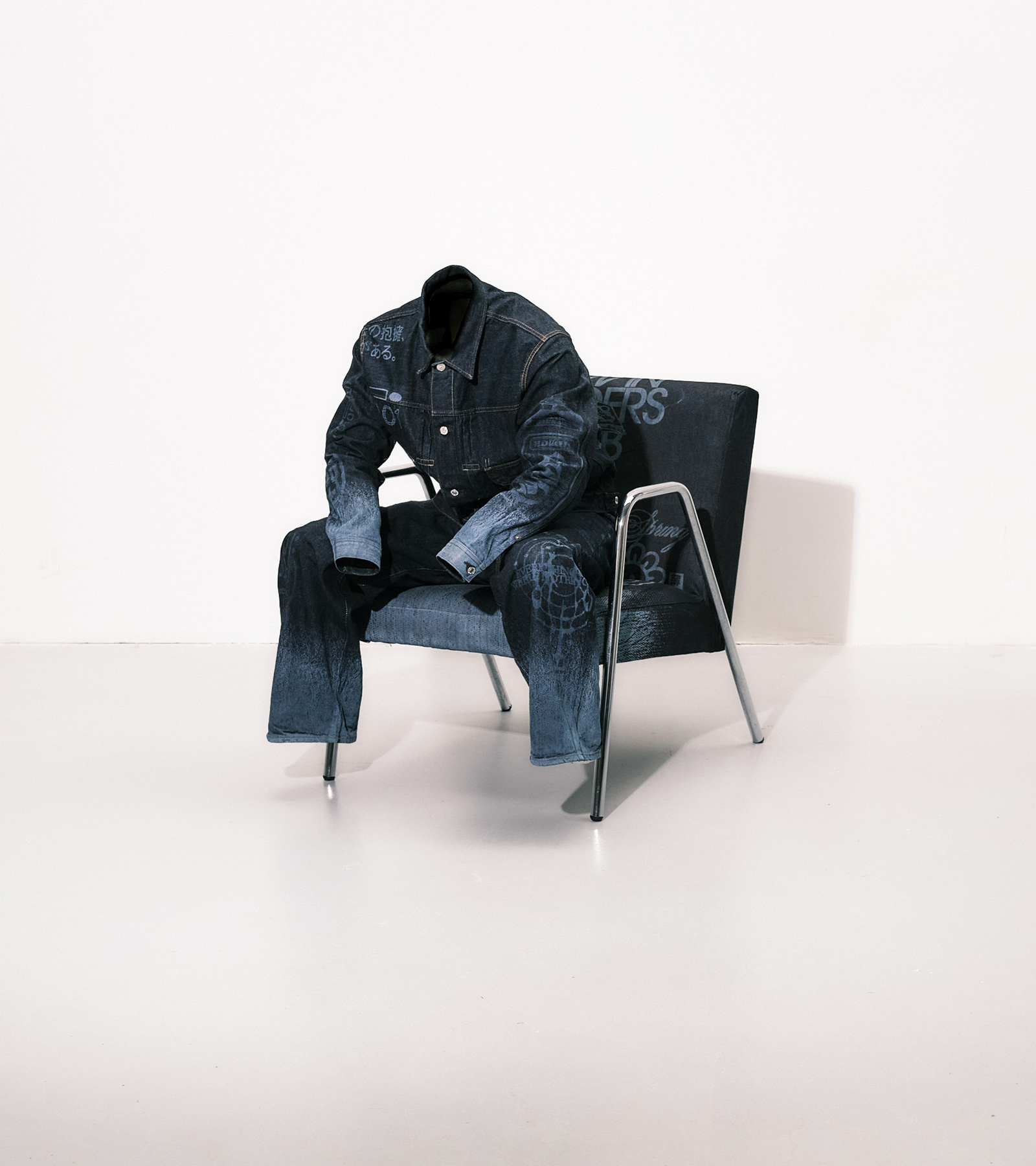
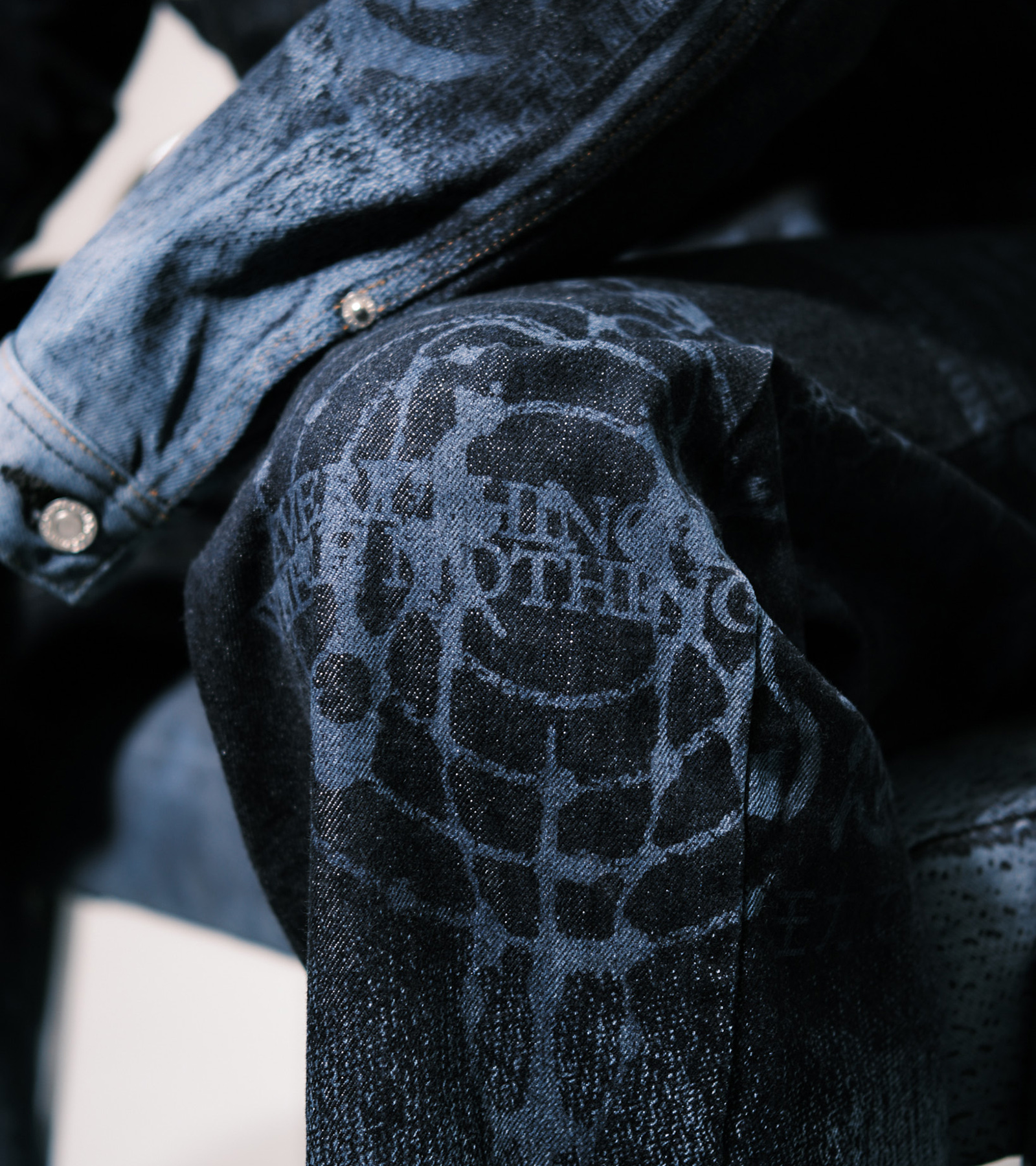
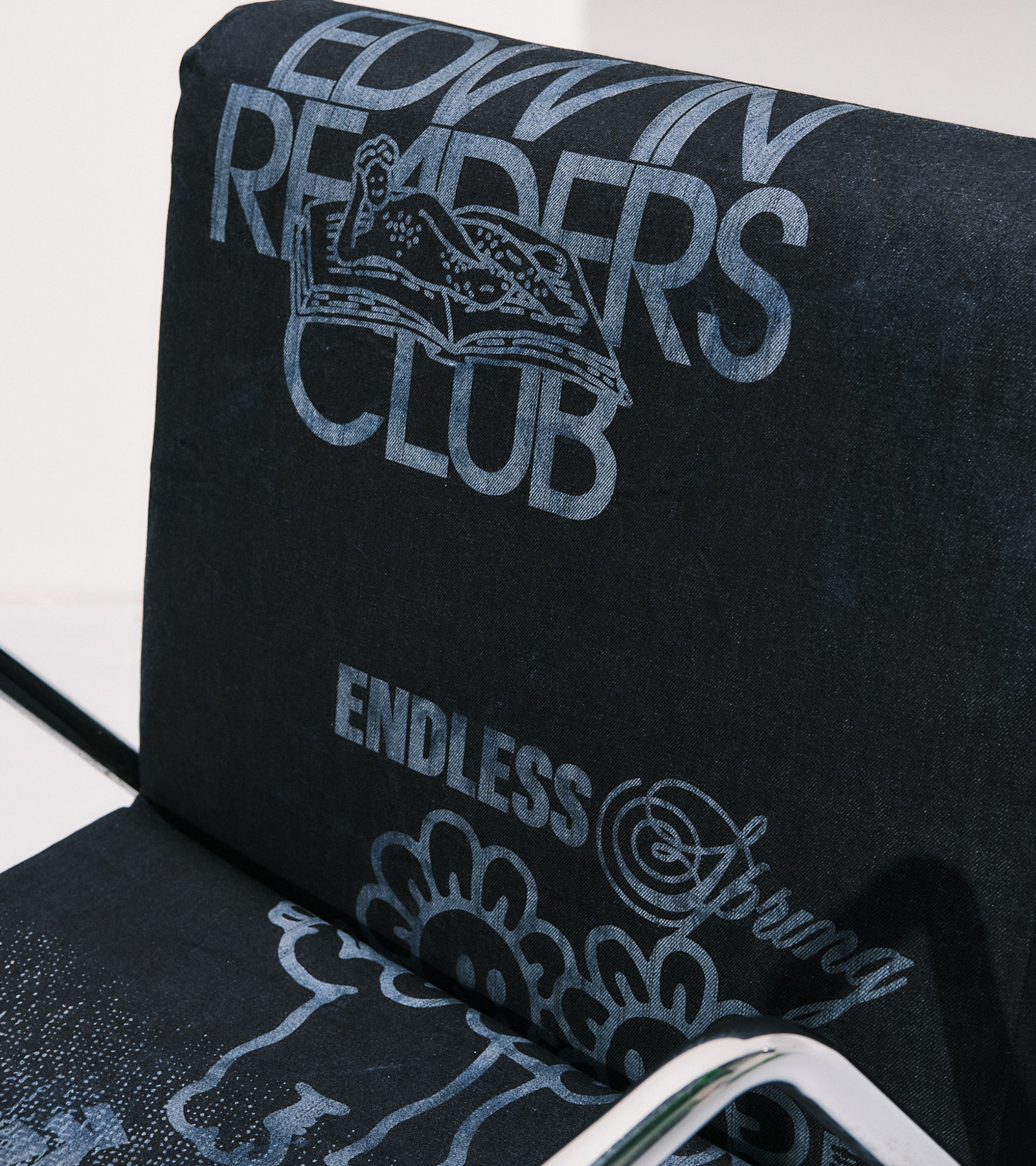
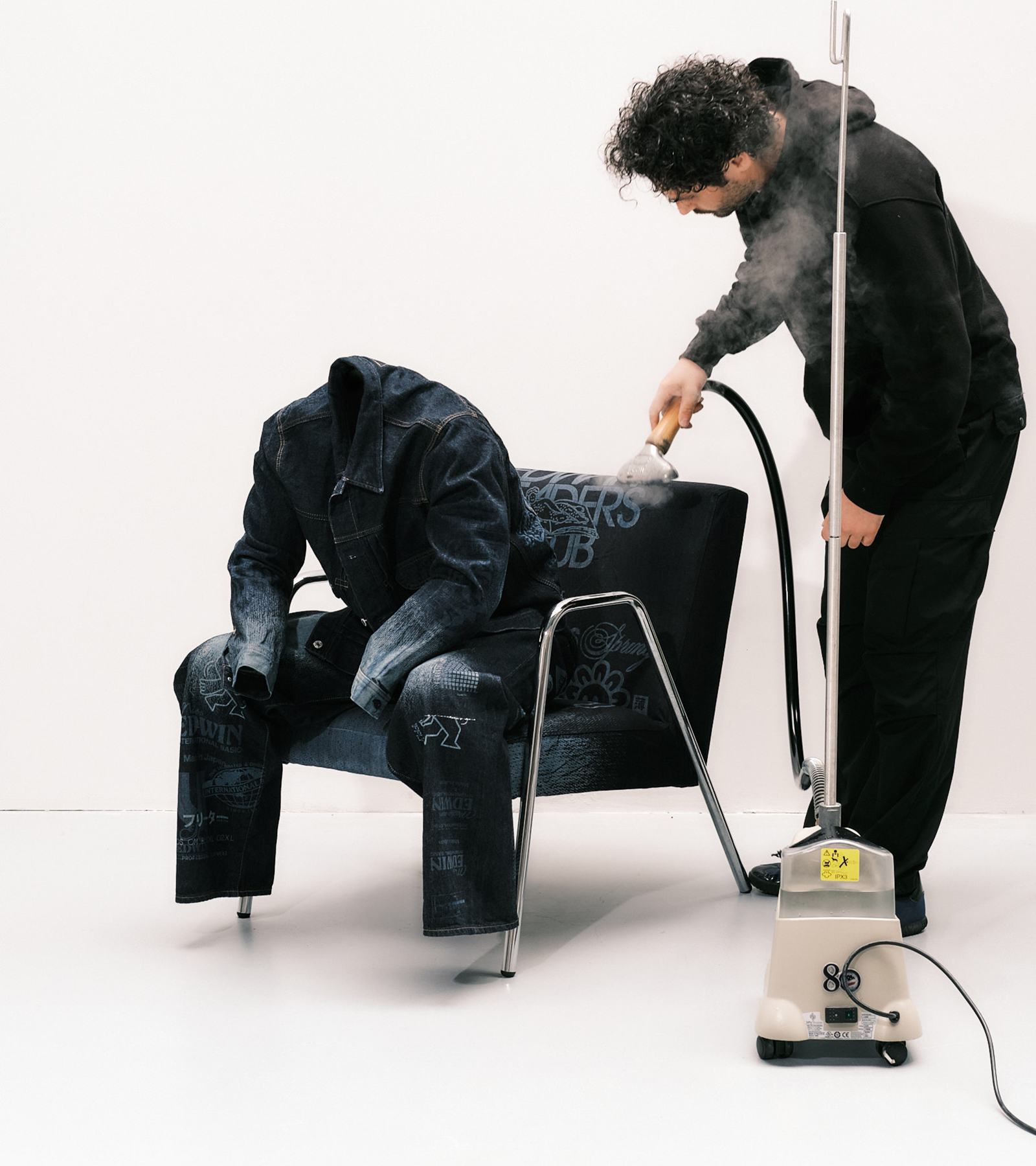
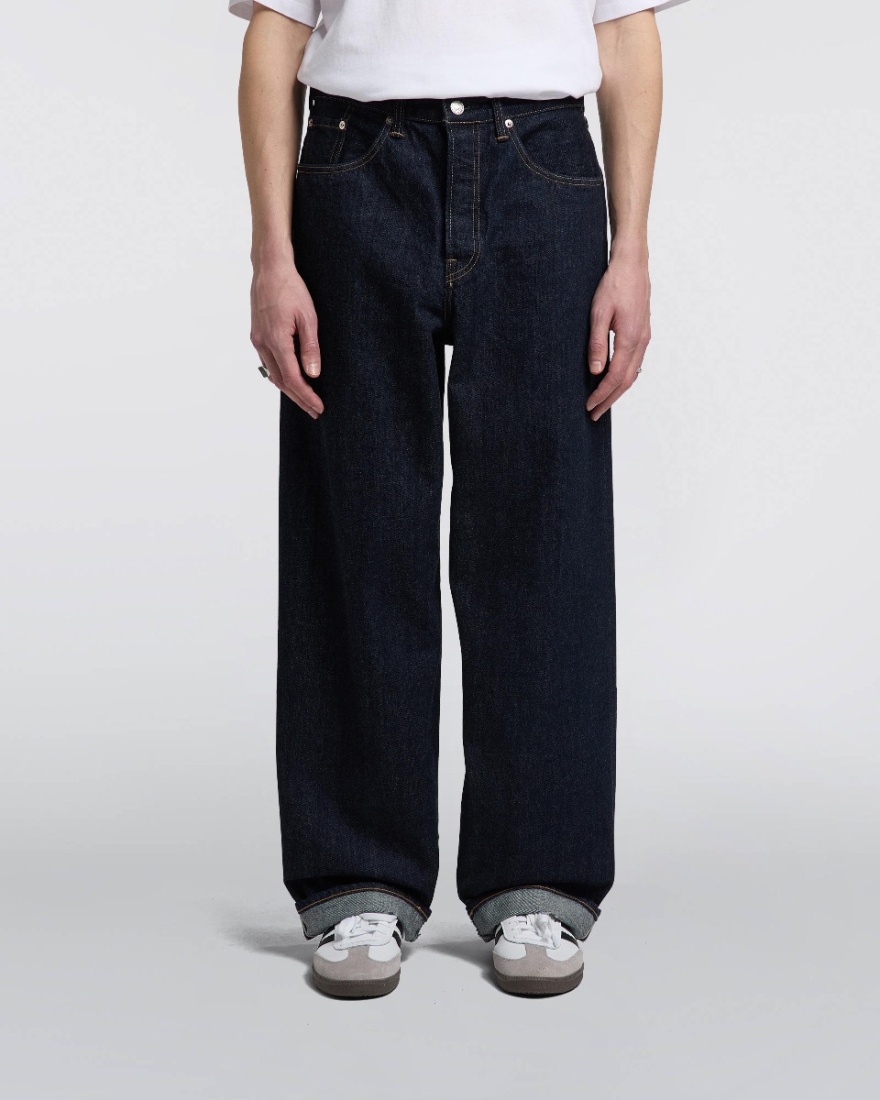
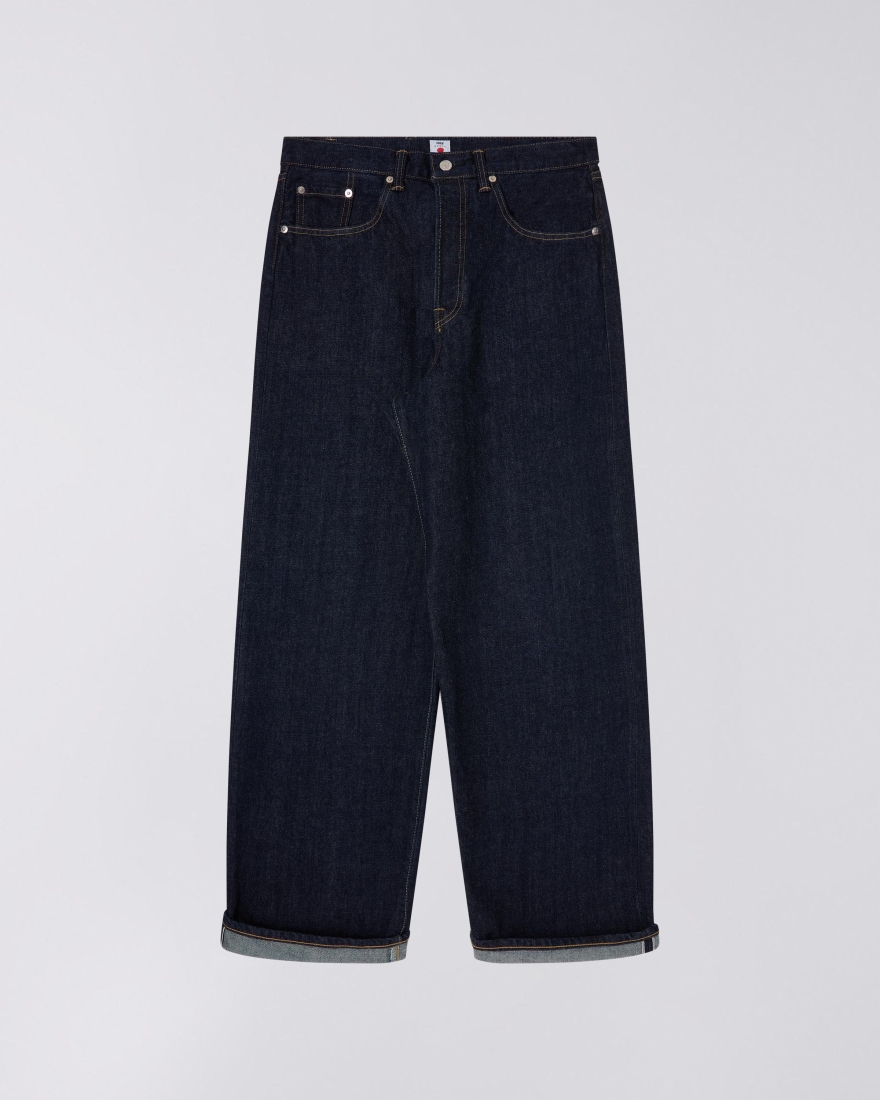
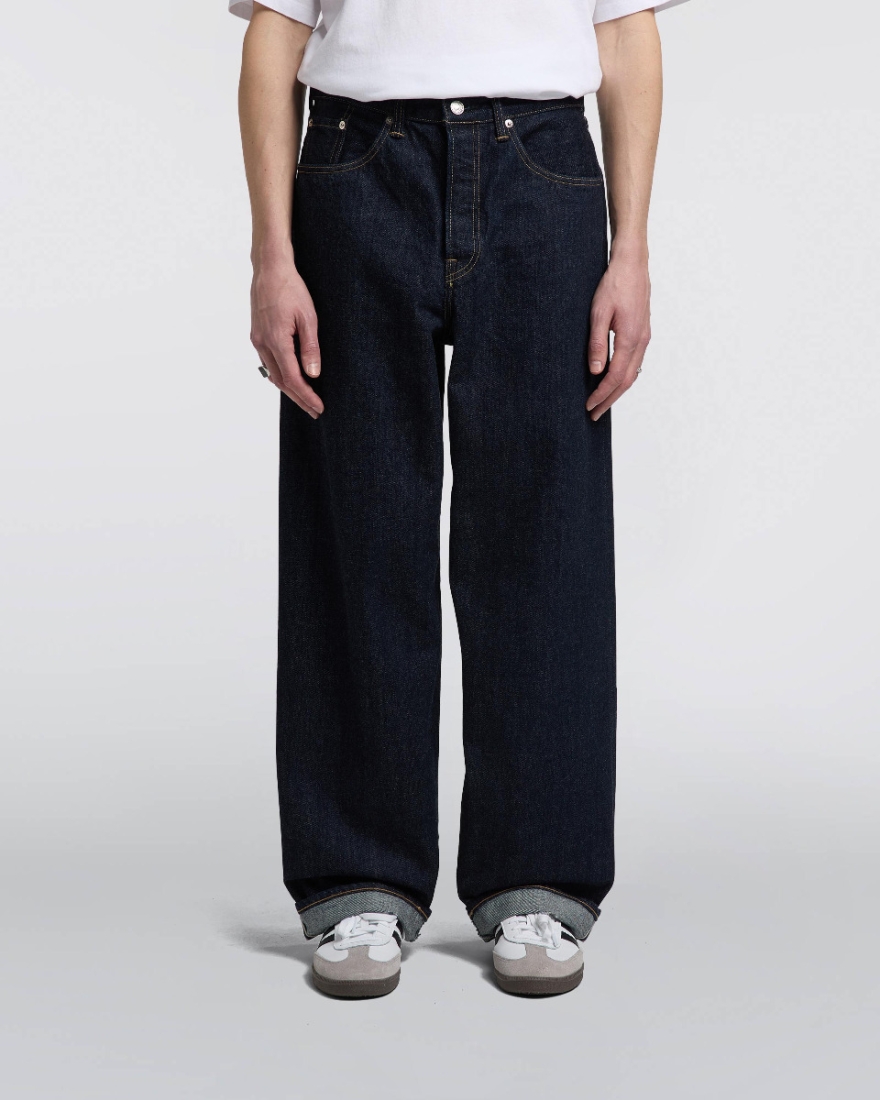
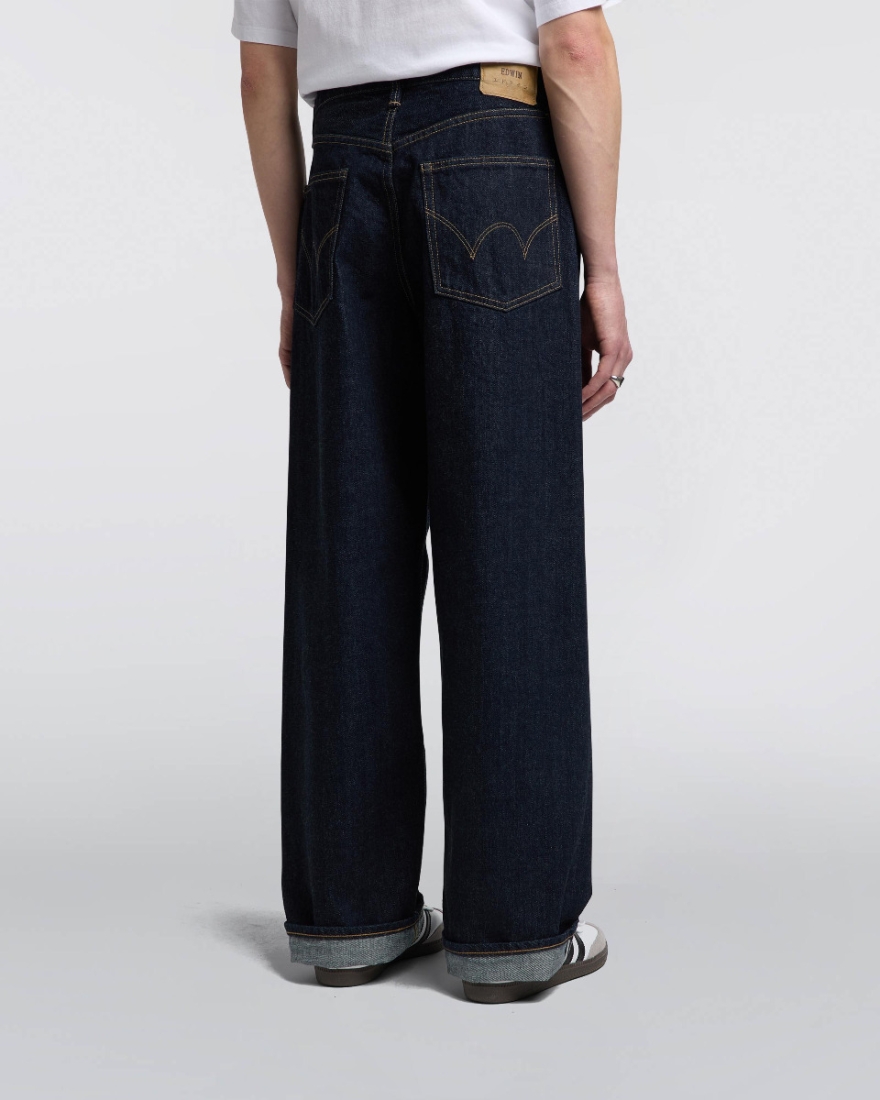
The EDWIN X FREETER Made In Japan denim set is exclusively available online via FREETER while stock lasts.
Model: Clinton
Photography: Rowan Brugmans