

№ 153
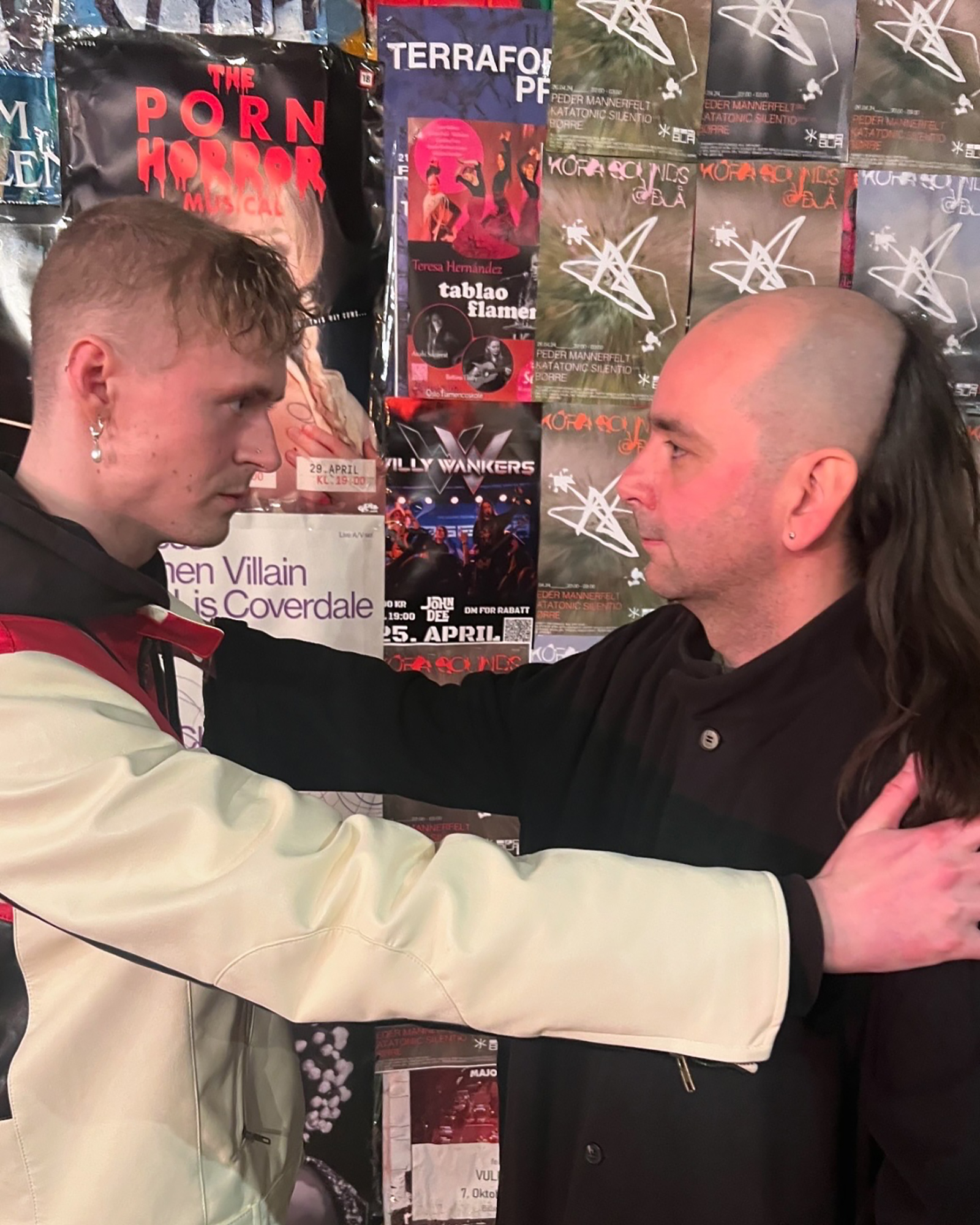
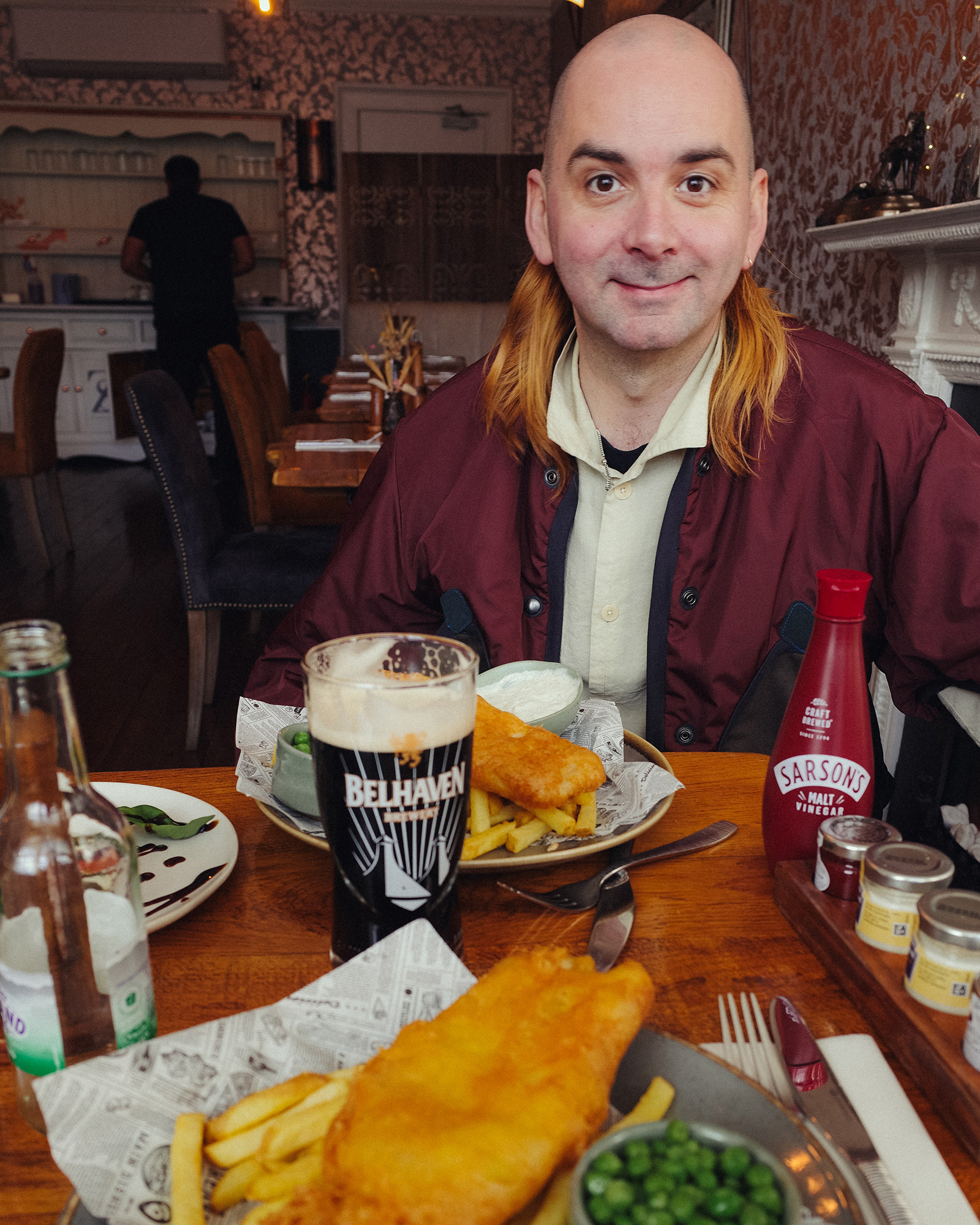
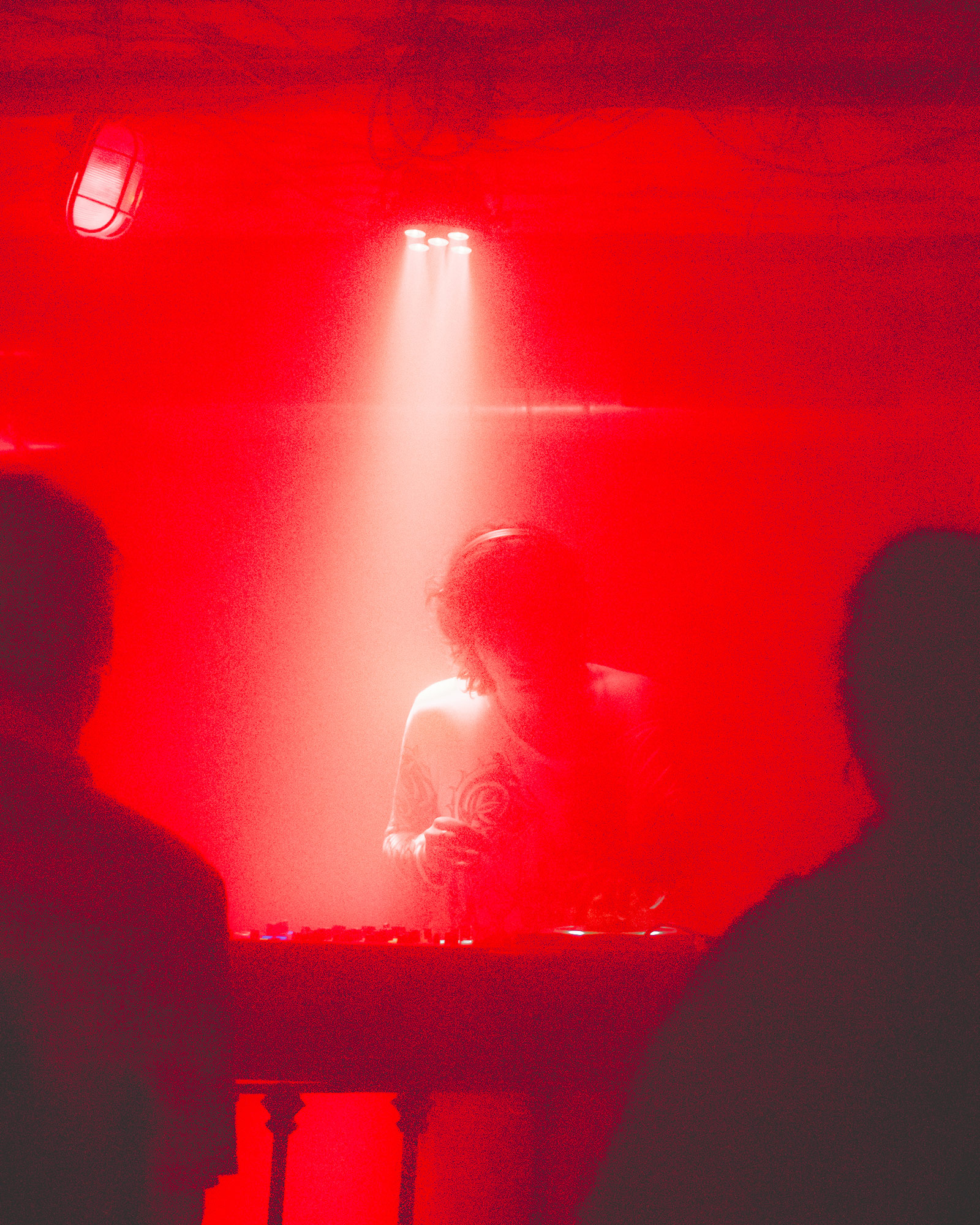
Next up at EDWIN MUSIC CHANNEL is Peder Mannerfelt, one of Sweden’s most distinctive electronic producers.
Votre navigateur n’est plus pris en charge. Pour une expérience optimale, veuillez télécharger la dernière version de chrome, safari ou firefox
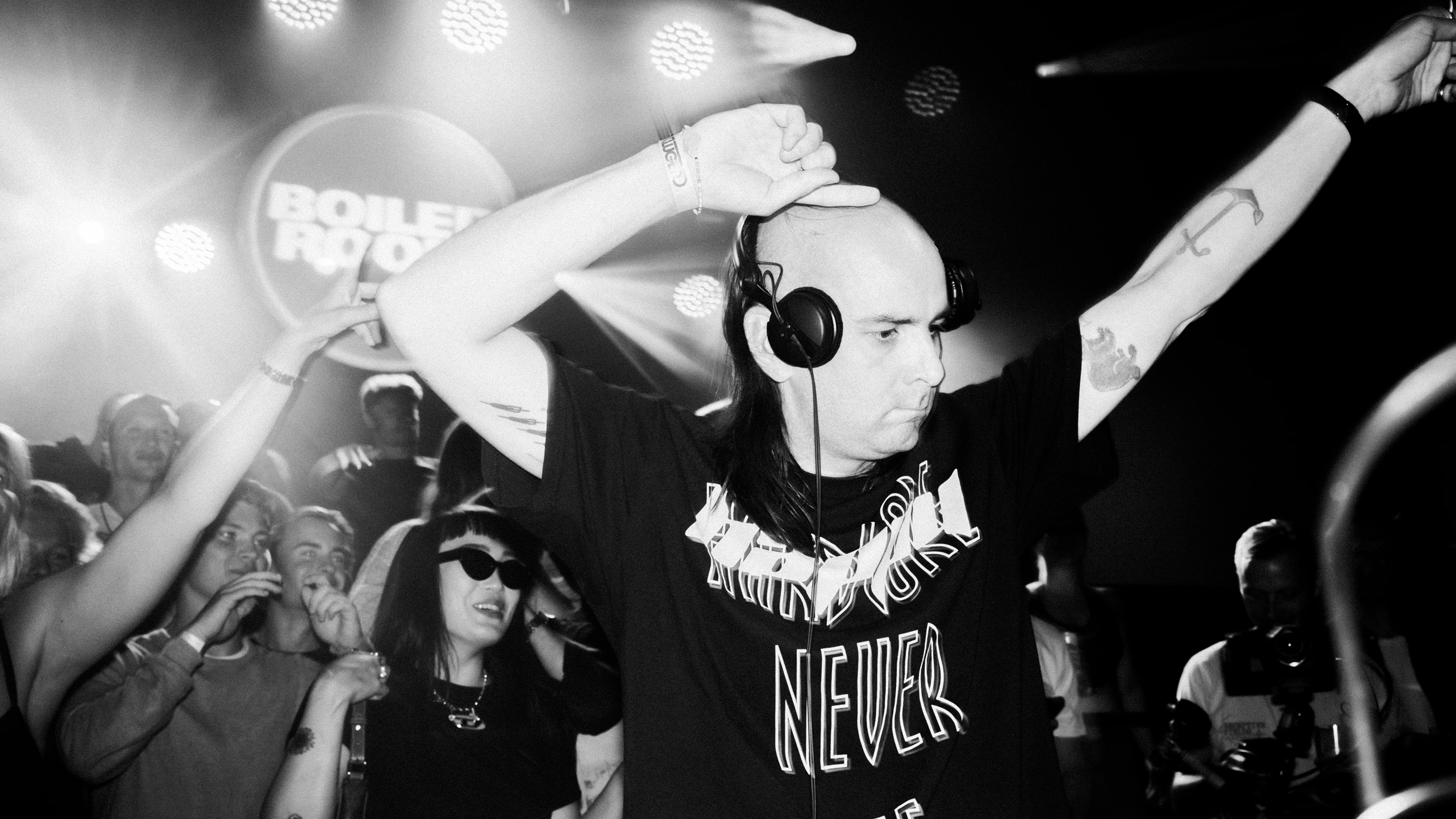
Next up at EDWIN MUSIC CHANNEL is Peder Mannerfelt, one of Sweden’s most distinctive electronic producers.
A musician and DJ whose career has moved freely between experimental electronics, techno and pop. From an early obsession sparked by his mother’s Los Lobos “La Bamba” 7-inch to becoming a key figure in Stockholm’s electronic underground, Mannerfelt has spent more than two decades developing music that can be raw and strange one moment, playful and seriously dancefloor-driven the next.
His story began partly behind the mixing desk. After working at Stockholm’s Murlyn Studios, Mannerfelt began releasing techno in 2006 as The Subliminal Kid before becoming closely involved with Karin Dreijer’s sensational band Fever Ray, contributing production, mixing, and instrumentation to the acclaimed 2009 debut album and their second long player, “Plunge”. Alongside producer Malcolm Pardon, he also formed the duo Roll The Dice, exploring a more cinematic world of analogue synths, piano and electronics.
His solo records pushed things somewhere stranger. Albums including “Lines Describing Circles”, “The Swedish Congo Record” or “Daily Routine” established his taste for heavy drums, twisted voices, volatile rhythms, and sounds that constantly seem to alter shape. That shakiness is not necessarily planned. Even when Mannerfelt tries to make something simple, he says it tends to come out slightly twisted. Recently the worlds of Peder the producer and Peder the DJ have started to properly collide. Working closely with legendary Swedish label manager and producer Pär Grindvik has given him a new confidence in bringing what happens in the studio directly onto the dancefloor.
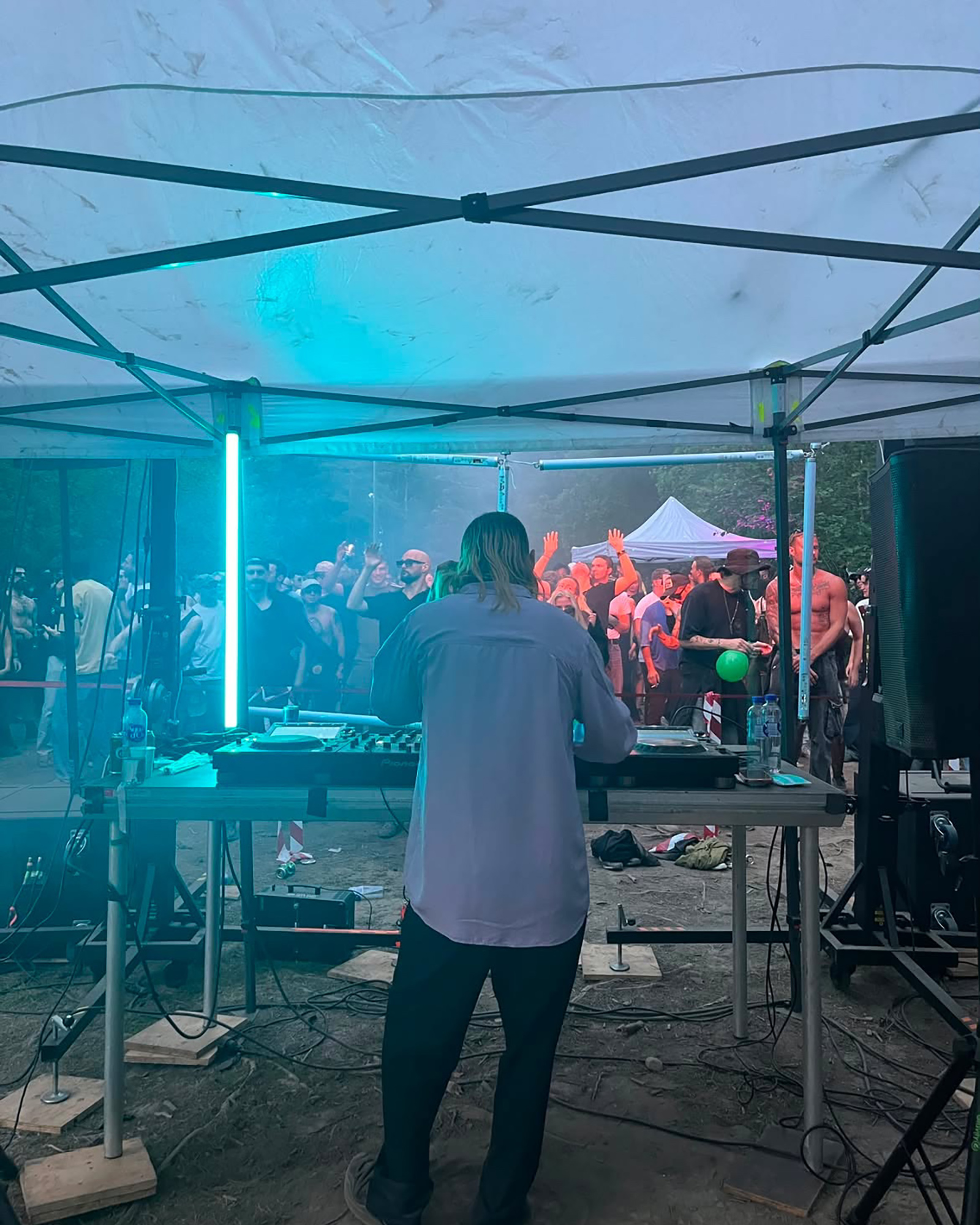
His current productions play with half-time and double-time, polyrhythms and deceptively simple structures, giving birth to tracks that can be highly functional while still making you wonder exactly where the centre is. An approach that also feeds into his DJing, where pacing is everything. Playing at clubs or festivals now feeds directly back into his productions, testing his own tracks, finding what works and figuring out where another bit of pressure can be “squeezed” out. This autumn offers a good snapshot of that world in motion, with Mannerfelt heading to London’s M.O.T., Berlin’s PEOPLE Festival at Funkhaus and Portuguese festival Semibreve in Braga, where he joins French DJ RONI for a B2B set.
For EDWIN MUSIC CHANNEL, he created a mix that pushes things forward right from the start, mixing minimal funkiness by artists like Akufen, Thomas Brinkmann, or Ricardo Villalobos with Cypress Hill raps, sexy Skrillex folly, and electrified neo-soul by London producer Carré. As ever, we spoke to our host, chatting about his history, his artistic practice, his view on contemporary music, and everyday routines. Check the spell below and get excited by Peder Mannerfelt’s crashing Edmix 153 edition.
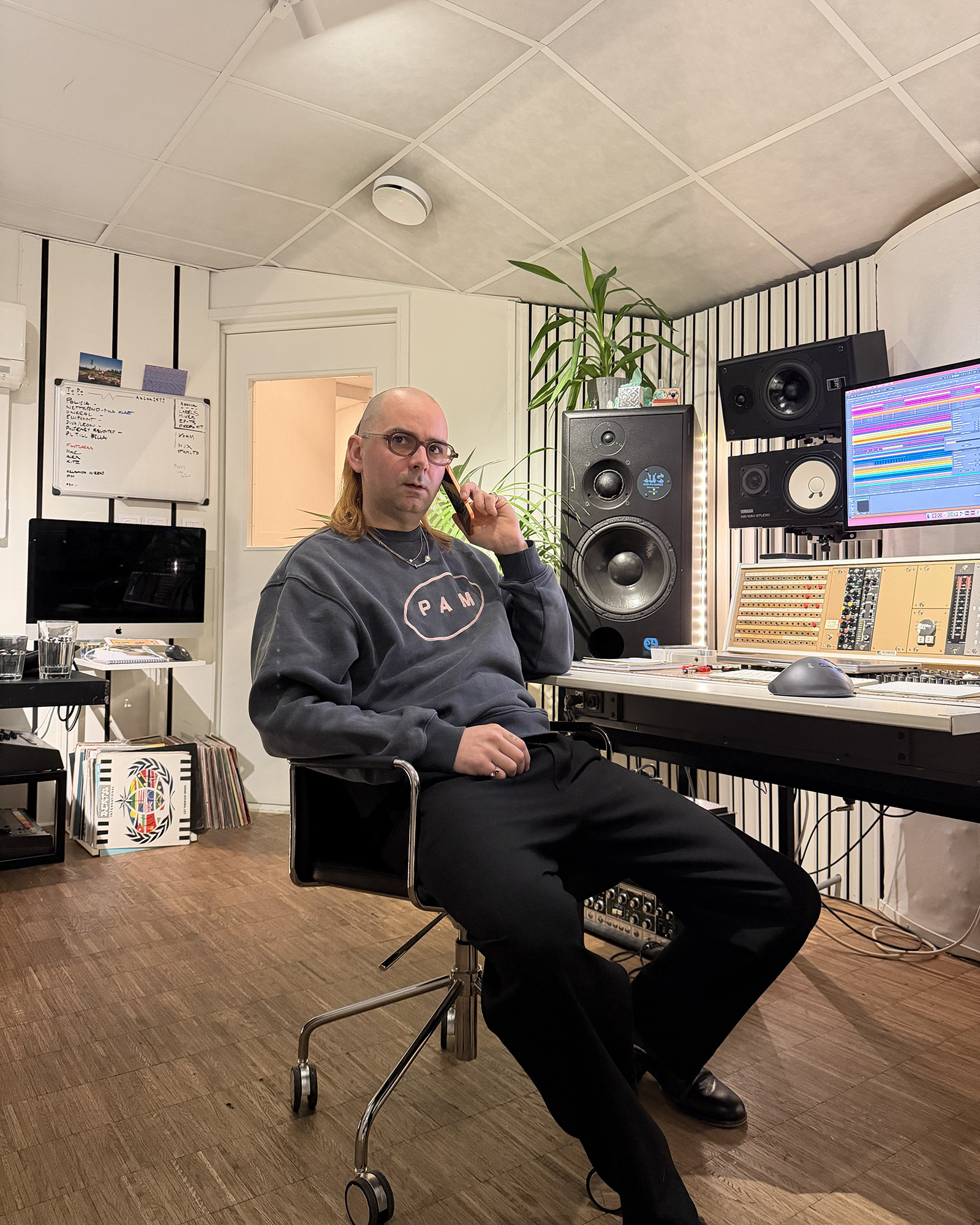
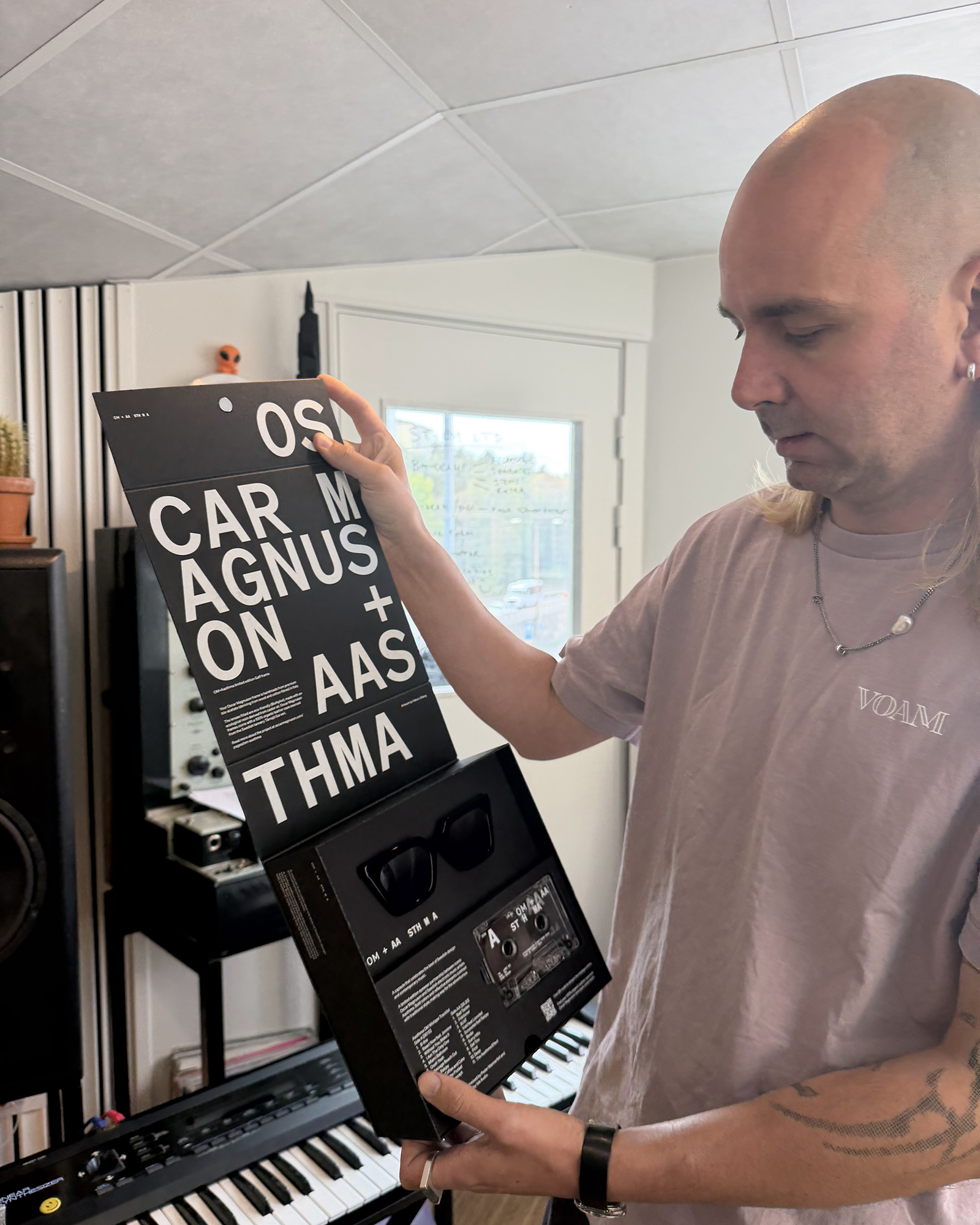
Q. Peder, can you give us a short introduction to how your passion for music started?
A. My mom´s “La Bamba” 7” single.
Q. Your work has moved between experimental music, techno, pop production, sound design, and very functional club music. Do those still feel like different worlds to you?
A. I don´t really see them as different; it’s more based on mood and current obsession. My musical obsessions can overlap and usually consist of me finding something new that I fall in love with and desperately need to take apart and figure out the construct of.
Q. What excites you in electronic music right now that genuinely feels new to you?
A. The level the kids are operating at right now is mind-bogglingly good. Compared to the 1990s or fifteen years ago, the standard of production is incredible; I hear something at least once a week that blows my mind. Having said that, the craft of writing and arranging must be there; production techniques and sound design alone won’t make your track a hit. But when everything locks together, I feel like we’re in a golden age of creativity and possibility of expression.
Q. You have said that what you produce and what you play out have finally started to line up. What was previously separating “Peder the producer” from “Peder the DJ”?
A. It’s got a lot to do with confidence. That confidence mainly comes from working together with Pär Grindvik.
Q. There is often something slightly destabilising in your club tracks, rhythms, or sounds that makes you question where the centre of the track actually is. How deliberate is that?
A. Don’t think that it’s deliberate; it’s just the way it comes out. Even if I try to do something dead simple, it almost always ends up as something unstable. Guess it’s just the way my ears and brain work.
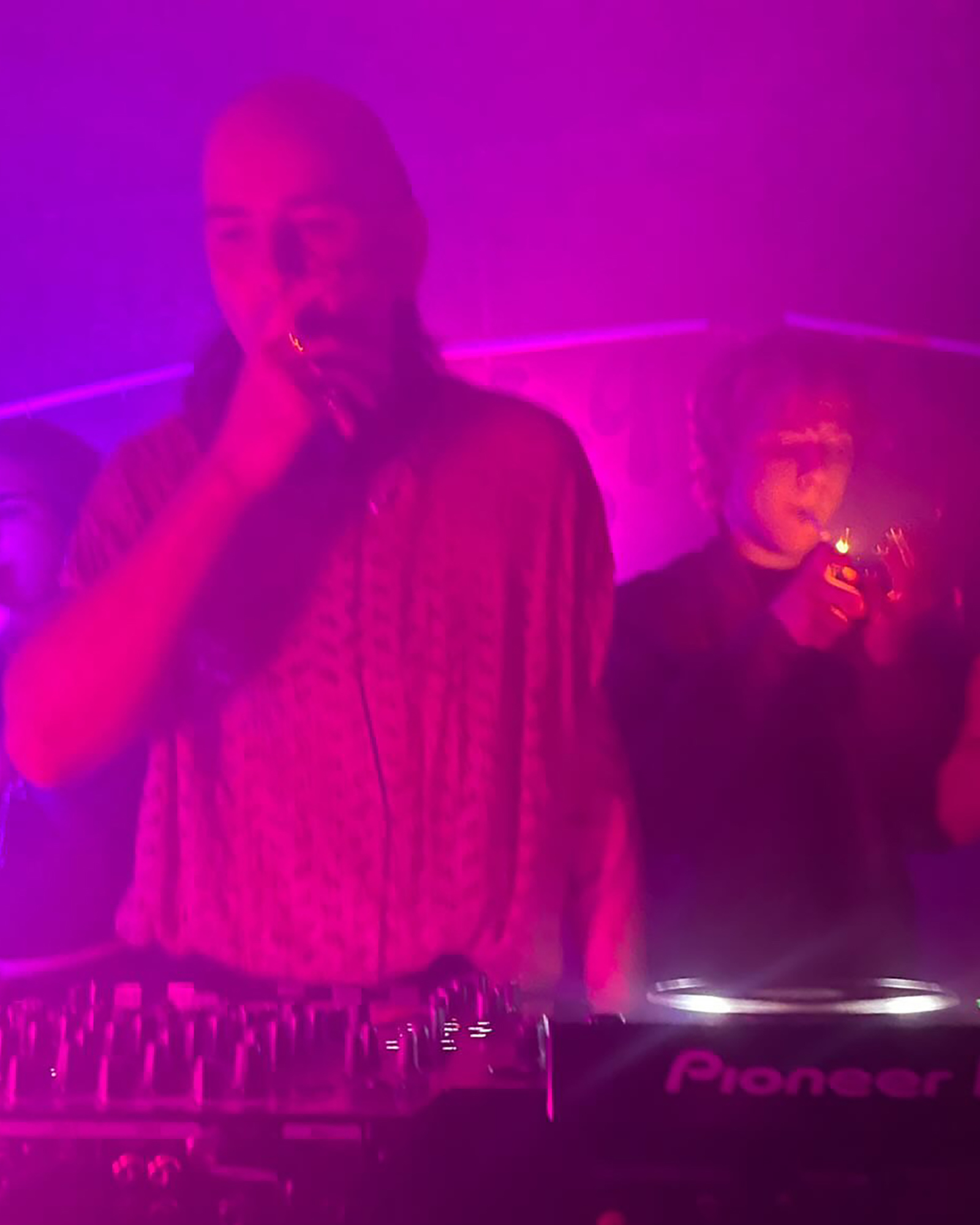
Q. You have recently been exploring relationships between half-time and double-time rhythms. What interests you about that ambiguity?
A. Basically, it's the simplest form of polyrhythm I can think of. I’ve worked a lot with polyrhythms and odd time signatures before, but it’s very hard to make it work in a dance floor context. Half time/ double time can give the illusion of something being faster or indeed slower than it is; it’s a great way of tricking the mind and giving a simple payoff.
Q. Can a track be extremely functional and extremely strange at the same time?
A. Very much. Take a song like “Bo Diddley” by Bo Diddley; it’s extremely bare-bones and effective but at the same time super weird and unique. The more functional and basic the foundation of a track, the more the strange or special bits will pop out. It’s all about context. If everything’s extreme sound design, nothing will be strange.
Q. What is harder for you now: making something complicated or making something extremely simple?
A. It’s way harder to make something simple, 100%.
Q. With music moving so quickly through Bandcamp, SoundCloud, streaming, and DJ sets now, what does a record label mean to you in 2026?
A. Curation and building excitement, not only with the audience but also for the artist and everyone involved. Without excitement and engagement from the artist or the label, how can you expect your audience to invest their excitement in your music and artistry?
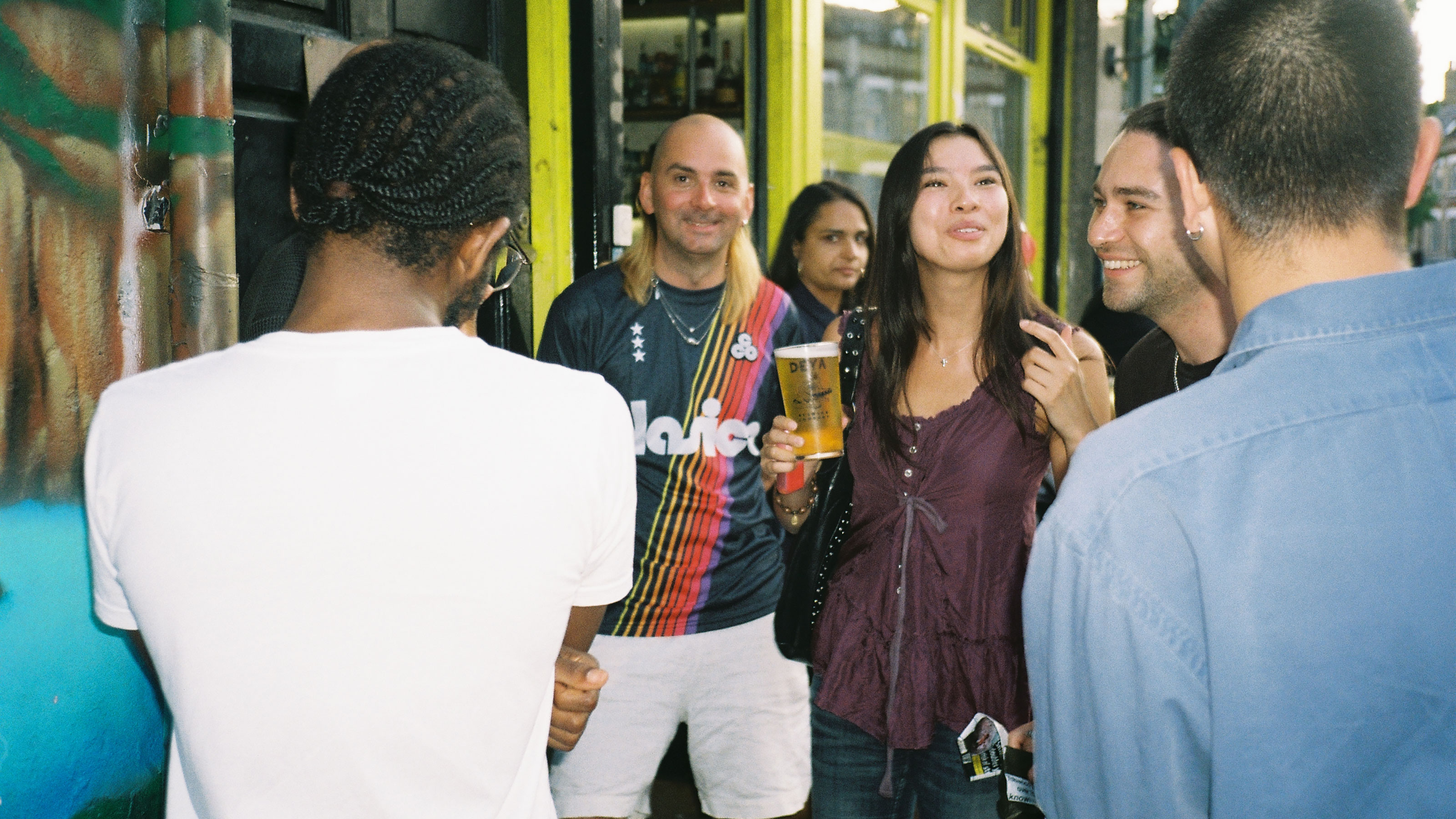
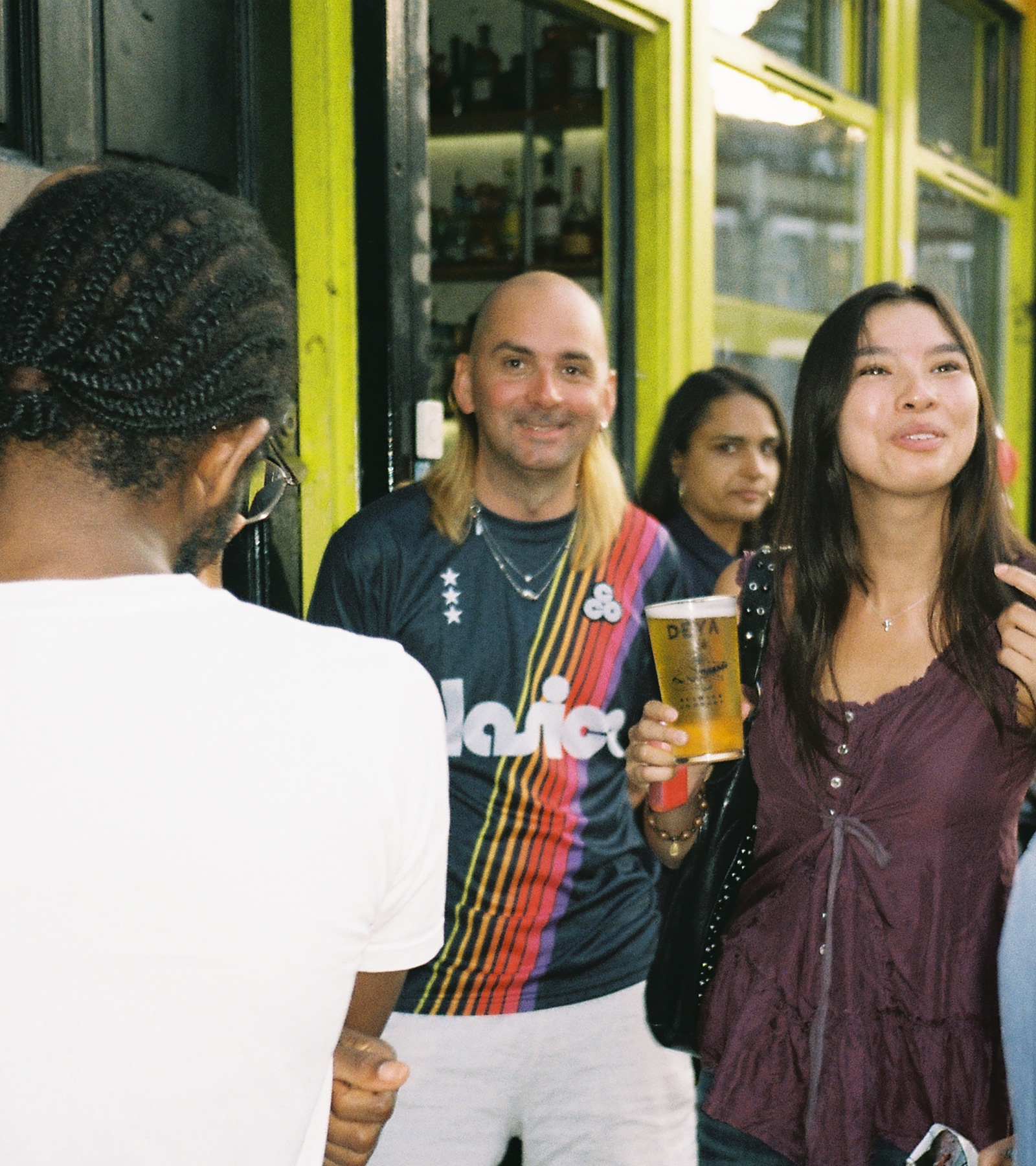
Q. What makes a sound feel contemporary to you?
A. Something that excites the ears as much as the body. It can build on something old and recognisable but still tickle that part of your brain that goes ”what the heck was that”?
Q. Has DJing become more important to your compositional process?
A. It has! The more I DJ, the more I learn what works and where to squeeze out more of a track. It’s an unbeatable feeling playing one of your own tracks for the first time and feeling it´s working. It's like that meme with the guy at the party thinking ”they have no idea I made this and how twisted their heads gonna get after the drop”.
Q. You have described DJing as a “journey.” What makes a journey interesting to you rather than simply a sequence of good records?
A. I reckon it stems from me being bored easily if things stagnate and craving something new. But having said that, there has to be a foundation to the journey; you can’t throw anything at the wall randomly. Something Pär has taught me is to pace yourself for at least the first quarter of a set before throwing in a curveball. After that, build and broaden the picture during the middle part to keep the audience locked in and engaged, then you can take the last quarter into the stratosphere and completely fuck with their minds. I guess that’s what you might call a journey.
Q. Your sets can move between quite different rhythmic languages. How do you know when a drastic shift will feel exciting rather than simply disruptive?
A. Well, I have to pace myself a lot; otherwise, it would all be disruptive, and again, if you don’t have a stable, predictable foundation to build on, nothing can be truly unique or pop out.
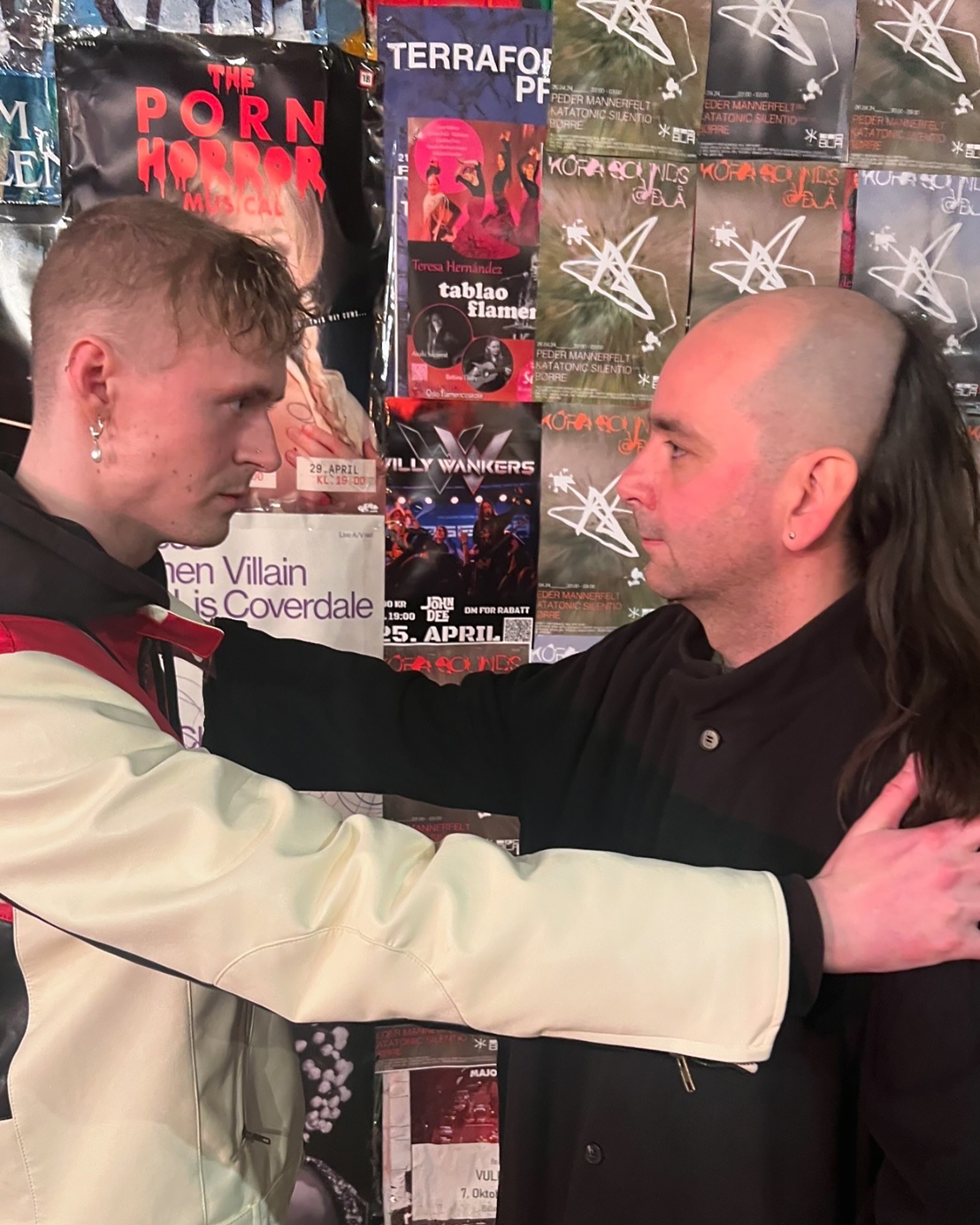
Q. Has contemporary DJ technology changed how adventurous you can be?
A. Very much indeed; the ability to pitch tracks of vastly different tempos to match makes everything possible.
Q. What is something completely ordinary in your everyday life that you find strangely beautiful or inspiring?
A. Making breakfast for my kids, taking out the trash, cleaning the bathroom. Having everything in order before letting my mind space out and be creative.
Q. If you could own one artwork - regardless of price, size, or where you’d have to put it - what would it be?
A. I´d have a room (probably need a new wing) of my house to accommodate a permanent installation of Anthony McCall´s ”Line Describing a Cone”. Been obsessed since I first experienced his work. I even named my first album after it.
Q. What is a pop-culture obsession or guilty pleasure people might be surprised you’re into?
A. Watching guitar luthier videos on YouTube. Highly relaxing and rewarding.
Q. Do you think good taste is something you can learn, or is it mostly instinct?
A. To some extent, you can learn it, but you have to be willing to reassess everything you thought to be true to truly impress it. Otherwise, it’s just like an expensive sweater you put on; anyone can buy a far-out Issey Miyake piece, but to make it yours, you have to feel like it completes you, or the piece of clothing will be wearing you.
Tracklist:
K-LONE - Holdup
Samwho - D'espia
Ricardo Villalobos - Quizás
Andy Martin - The Ark
Mood II Swing - Move Me
WTCHCRFT - SMASH IT
Nikki Nair - Please Do Not
Akufen - Architexture
Cypress Hill - Yo Quiero Fumar
Concrete Fence - The Unabridged Truth
Siete Catorce - Que La Fiesta Nunca Se Acabe
Toobris - Read the Room
Alien Kokey - Kokey
Ross Lowder - Dopamine Drop (uhm)
Teqmun - A Man and His Toad
Pom Pom - 06
John Yienger - Ego Starvation
Skrillex - 03 - Tranki
Cristian Vogel - XPUTE theWoopWoop
Matt John - Olga Dancekowski (Audion's Remix)
GoodMostlyBad - mycrobabe
Pilo - Untitled (Peder Mannerfelt Remix)
Thomas Brinkmann - isch
Carré - Mercy