

№ 148
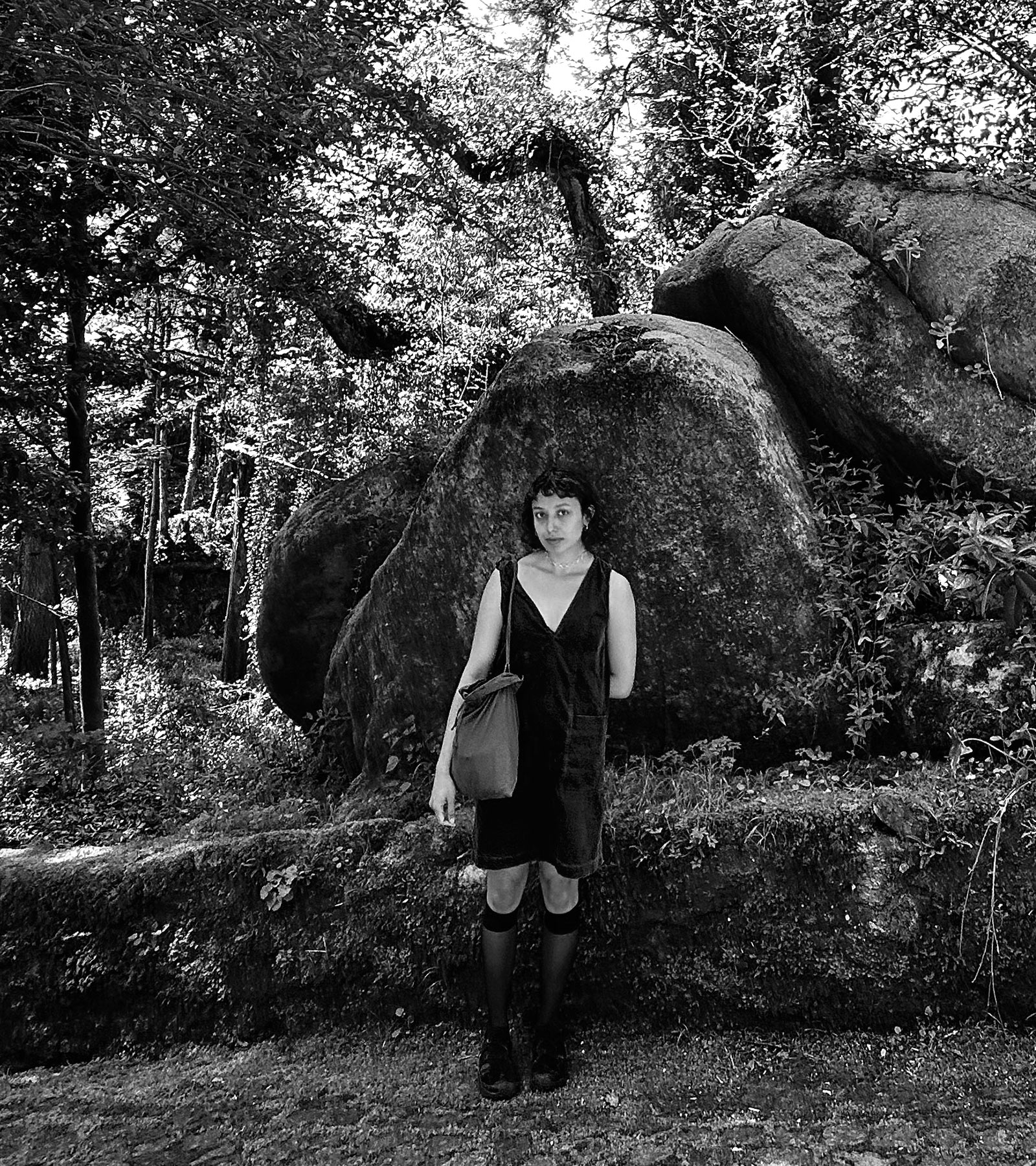
Swedish-born, Bristol-based DJ, k means has steadily carved out a reputation as one of the UK’s most adventurous selectors, blending experimental club sounds with a textural, mood-driven approach to DJing.
Your browser is no longer supported. For the best experience, please upgrade to the latest version of Chrome, Safari or Firefox
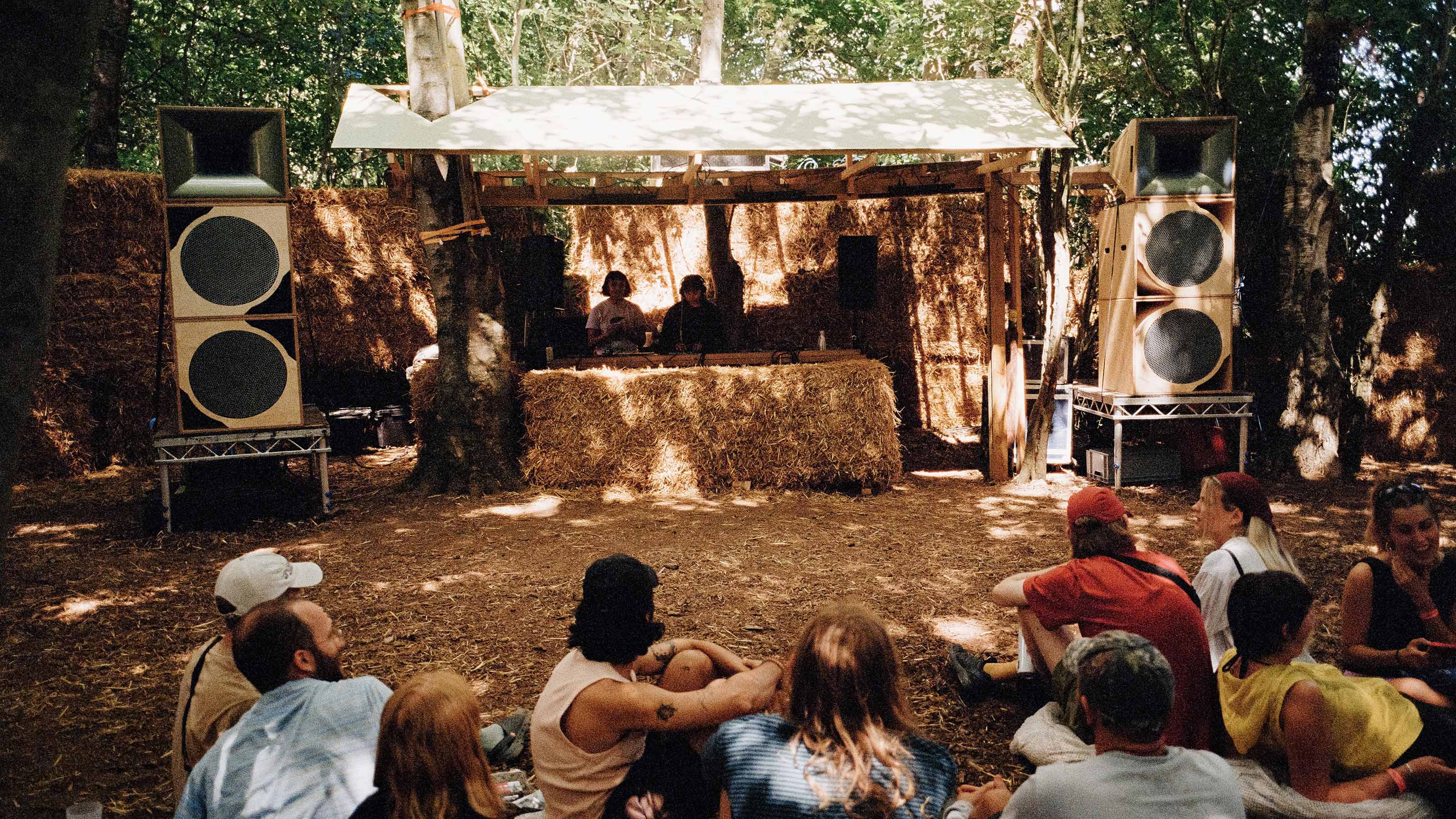
Swedish-born, Bristol-based DJ, k means has steadily carved out a reputation as one of the UK’s most adventurous selectors, blending experimental club sounds with a textural, mood-driven approach to DJing.
Emerging in the mid-2010s, her journey into electronic music was shaped by an early education in classical violin and piano. Later, she started playing video game music on the piano and taught herself sad songs on the guitar, before moving into the rhythmic intensity of leftfield dance music as a DJ.
Her distinctive presence on the radio airwaves is a central point in her artistic development. With regular shows and guest mixes on platforms like Kiosk Radio, Noods Radio or Rinse FM, she is presenting an exploratory, genre-fluid sensibility.
Her shows - often moving between ambient, dub, techno and fractured club rhythms - have become her key space for experimentation, helping to shape a style that resists fixed tempos or categories in favour of atmosphere and tension.
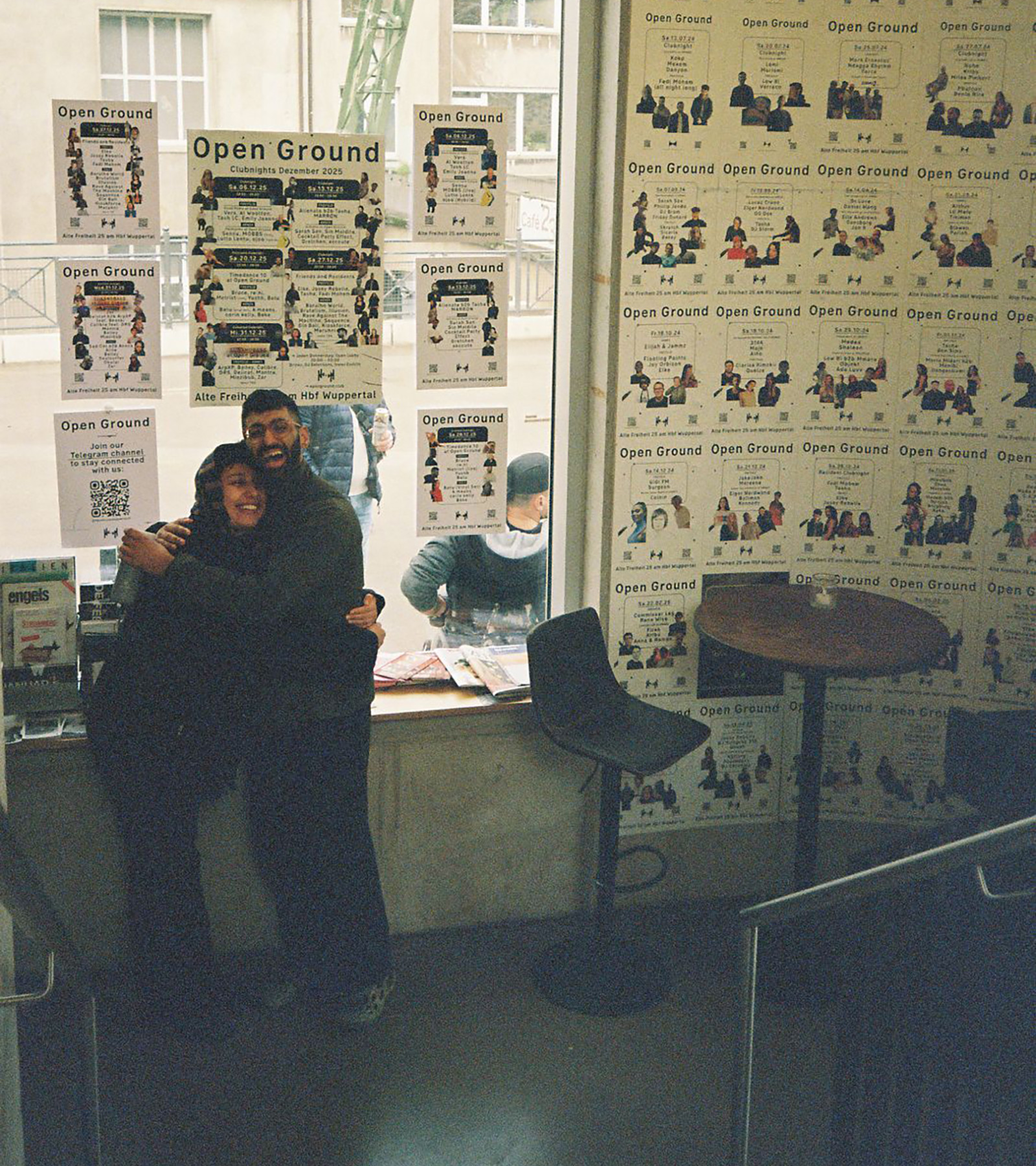
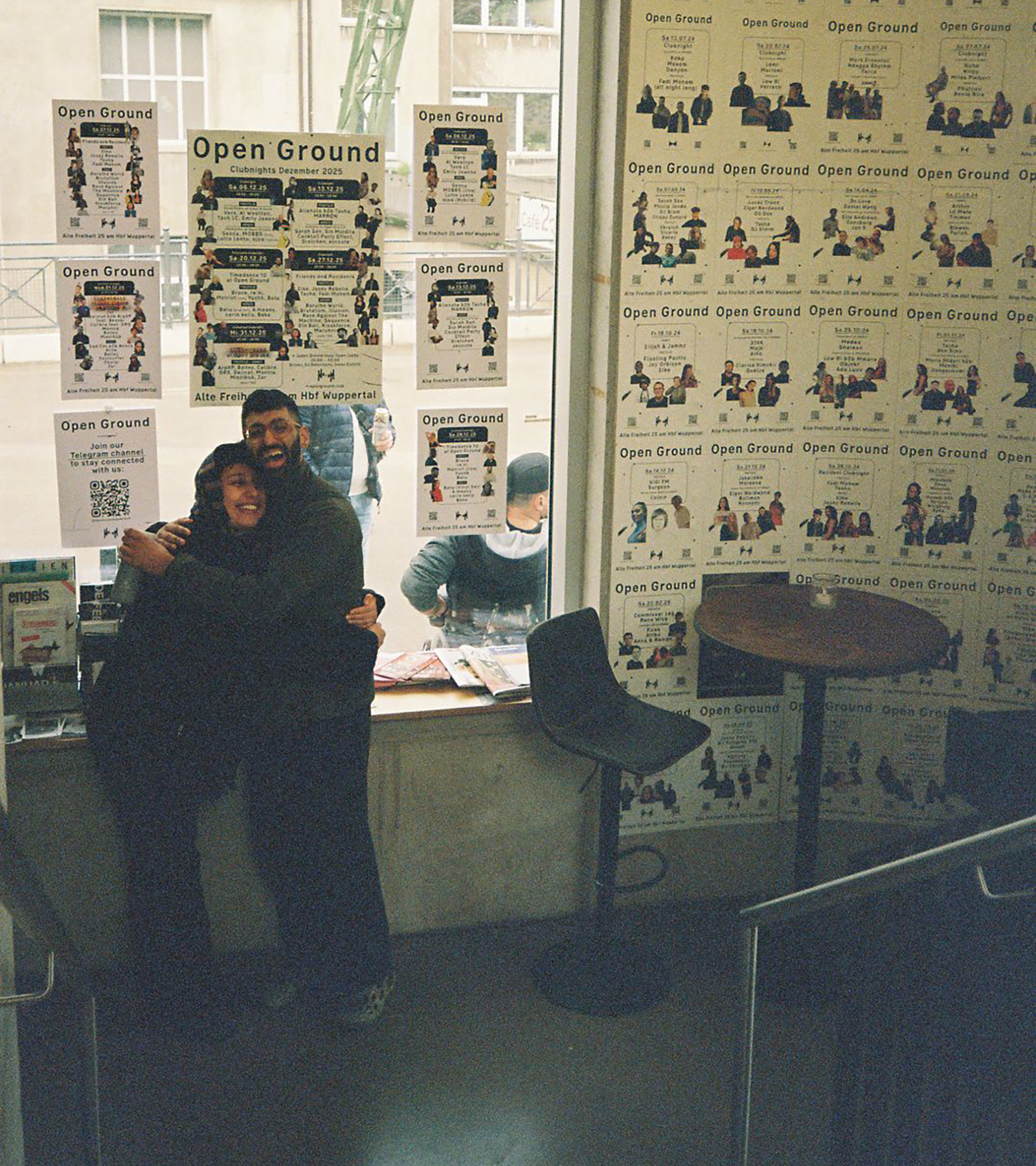
Alongside radio, k means’ DJ career has evolved from local Bristol sets into an international schedule spanning respected clubs and festivals. A resident of the city’s boundary-pushing “Psychotherapy Sessions” at the local hotspot Strange Brew, she played widely across the UK and Europe, appearing at venues like FOLD in London, Open Ground in Wuppertal, and Garage Nord in Amsterdam, as well as festivals including Unsound, Freerotation and Draaimolen.
Whether it’s a small, intimate room or a bigger dancefloor, her sets tend to feel immersive and unpredictable, guided by instinct rather than expectation. For The EDWIN Music Channel, k means prepared a mix that incorporates her versatility, bringing even black metal and Hip-Hop into the game while featuring a wide range of artists like Thomas Bush, Upsammy & Valentina Magaletti, Funki Porcini, Donato Dozzy, and Jana Rush.
As ever, we spoke to our host about her story with and around music, as well as her appearance on the upcoming M.O.T Day and Night event presented by EDWIN, where she plays on the 2nd of May a b2b set with Simo Cell alongside artists Jon K, Mad Professor, DJ Babatr or DJ SWISHA.
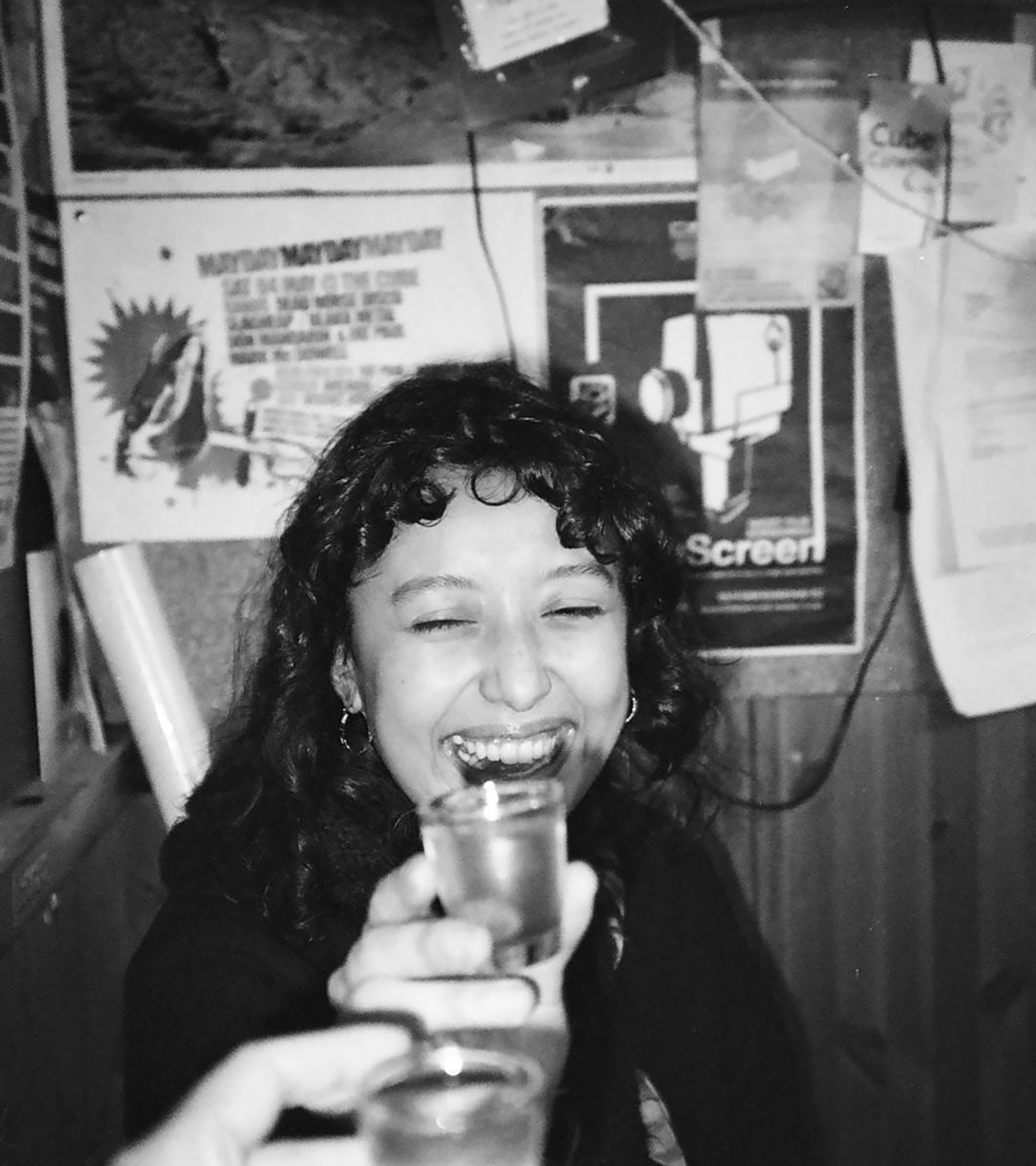
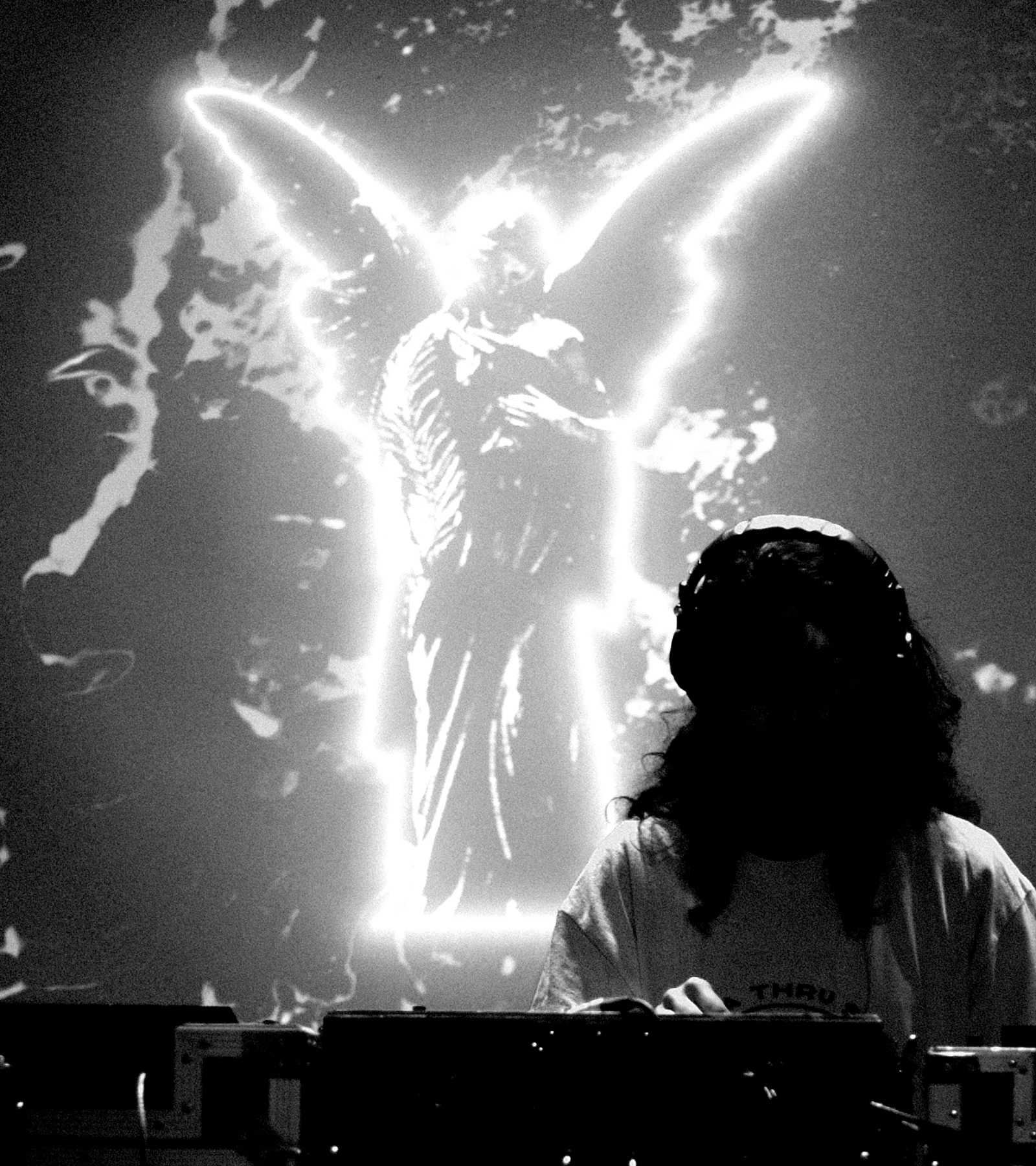
Q. Can you take us back to the beginning? What kind of musical upbringing did you have? What first drew you into DJing?
A. If I were to claim that the desire to DJ shares many similarities with the desire to take control of an AUX cable at the afterparty, and that I was generally too shy to ever do that, would that explain it? My musical experience so far has been a mixed bag. I hope and suspect it will remain this way, forever (and ever). The first sound I properly fell in love with was video game music, which still informs my taste today. If I catch a twinkle of it in the club, you can safely assume that my heart will be experiencing that very same twinkle.
My family weren’t mad into music, but some of the things we listened to together live in me, still. For example, the lyrics from Speakerboxxx/The Love Below (thanks to my mother), the reverberation of strings from Persian santur tracks (thanks to my father), and a Pavlovian response causing me to headbang when hearing Firestarter by the Prodigy (sadly conditioned at the age of five, thanks to my cousin). I played classical violin and piano for many years, then transitioned into playing video game music (AKA bangers) on the piano and eventually taught myself to play very sad music (AKA bangers) on the guitar. I suppose what I really wanted to learn was the drums, but that never happened. Anyway. I’m incredibly grateful to have grown up in a place where musical education was made financially accessible because it’s unlikely I would have had one otherwise. I was a melancholic teenager with melancholic taste, and now I’m a melancholic adult with melancholic taste. But at least I can now live my dreams of playing the drums through DJing.
I went through many phases with music in my youth. It feels strange to list things, particularly as genres, because I struggle with this kind of categorisation, but I’ll give it a try. My most intense musical love affairs involved broad strokes of emo (the good stuff, and less desirable kind), hardcore (and post-), black metal (kindly note that I am sad about some of the discoveries I have since made about the bands I used to like), punk (and its many facets), rap (shout outs to my cousin for introducing me to hyphy in my early teens), chiptune (does anyone remember skweee? It was OK), Trip-Hop (I live close to Portishead now) and indie (yes, this includes pre 2004 Belle and Sebastian, but also shoegaze). Those were the fundamentals. I also often think about this person who lived at the top of the tower block I grew up in, who showed me Baltimore and Jersey club when I visited his place, after he struck up a conversation at a bus station, having realised that we attended the same boxing club.
His flat looked like a record store, and he lent me CDs. I’m certain he’s one of the reasons I ended up travelling to London from Southampton to go to parties where Night Slugs & Hyperdub crews were playing, despite not really having mates at the time who were into it. The rest is history; you get the gist. I still don’t know who this person is. I doubt he lives up there anymore, and I still have his CDs. But I would like to thank him (thank you very much, and sorry about the CDs: LINK
Q. Originally, you are from Sweden. What made you go to Bristol? How did the local Bristol scene shape your sound and identity?
A. I arrived in Southampton to study back in 2011, followed by work in London for a few years, despite wanting to move to Bristol, and finally arrived here just shy of five years ago. I had several reasons for wanting to come to the UK, but appreciating music from here was one of them. I wanted to move to Bristol because of the music scene, and so I did. I’ve been here for just shy of five years now. I’m now one of those people who answers “umm, through music” every time I get asked how I know the person next to me. I am very pleased to finally be a cliché (sorry, I’ll stop peppering with the jokes now). Bristol is a very special place, which you can somehow tell from the outside looking in. Or at least that’s how I felt. It’s rare to find a city where there’s such a broad crosspollination of lovely people from adjacent scenes who are all familiar with each other.
I was very lucky to have been given the opportunity to take part in the music scene here before moving, through my Noods Radio show and a residency at a club night called Psychotherapy Sessions, which both started in 2019. I remember being extremely shy the first few times I arrived to play, but quickly settled into feeling comfortable. Shaping my sound and identity within a community of open hearts and open minds has allowed me to lean into every facet of music that I enjoy, of which there are many. I don’t particularly feel restricted to playing specific styles or music that’s strictly suited to the club, and I definitely have Bristol to thank for that. Having a show on Noods Radio helped me define my sound, allowed me to experiment, and encouraged me to connect deeply with music and artists I loved. I’m still a resident at Psychotherapy Sessions (PTS) alongside a lovely group of friends. I have a lot to thank them for, particularly Scott, who runs it. I still don’t know why he took the chance on a random stranger from a UK footwork group on Facebook to close after Jana Rush that one time in Cosies, but I’m glad he did.
I arrived with bags of anxiety, a handwritten note containing a plan for my set, and friends who eventually took their tops off (it was very hot). Anyway, I digress. The point I’m trying to make is that Bristol helped me shape my approach to playing even before I moved here, not just through its sonics, but through a very supportive and uplifting community that is open to people outside of it.
Q. How do you approach curating a radio show differently from a DJ set? You’ve been involved in radio - what does hosting bring you that DJing in clubs doesn’t?
A. Radio has been incredibly important to me. From my perspective, it encourages experimentation without considering any significant consequences. It is a comforting space for a shy person to things out *coughs*. I’d say that radio has been my primary form of musical communication, so it has informed how I play in the club. These days, I lean into narrative and storytelling quite heavily for radio, particularly in my Kiosk residency. Back when I was on Noods Radio, I used to host a lot of guests. I was very lucky to invite some of my favourite footwork producers back then. Those shows were different, in a positive sense. They really helped me connect the dots in my head, whatever that means (in reality, this means a lot, but that’s an essay for another time).
There was still some level of storytelling in those shows, but it was approached differently. I also used to have a monthly back-to-back show with DJ Ojo for years under the name ‘Avant Garbage’. If my solo shows taught me to experiment, then this took that one step further, teaching me to be nimbler, to adjust to someone else, and also to stop being so harsh on myself (thanks, Joe). When people ask about how to “get better” at DJing, I usually suggest applying for a radio show. I’m not sure what “get better” really means, and I usually express that, but I suppose it is a reference to confidence more than anything. Radio is a great space to build a sense of comfort in yourself. Even the process of applying for a radio show helps you contextualise and communicate whatever it is you want to express. Radio also obviously goes hand in hand with community, at least for the most part. You can experience and connect from up close or afar these days, which is a mad privilege, really. Bless web radio and all the people involved. It’s a lovely thing.
Q. When you’re preparing a set, what’s your mindset - structured storytelling or instinctive flow? And how important is experimentation in your work?
A. I appreciate and enjoy both, though it really depends on the context. I probably lean into storytelling and narrative more, but find it difficult to paint a picture when a set is too short and generally lean into instinctive flow in those cases. I like club nights that include both, really. Too much of one or too much of the other can be tiring. Contrast is neat. My brain leans into abstractions and fantasies a lot, which feeds whatever narrative I have in mind when I play or record. I think this helps me navigate through tracks in a way that feels free and intuitive. It’s probably worth noting that I am aphantasic, i.e. I can’t imagine anything visually. For a while, I struggled to imagine sounds, but I’ve gotten better with that. I think this has had an effect on my creative work and probably explains why I sometimes make sense of music using abstractions.
For example, I occasionally think about cooking when I play, or how a certain food feels in my mouth. I’ve given this example in a couple of workshops I’ve taught re: mixing “beyond beatmatching” , but basically, I know that I would generally find it more stimulating (and perhaps easier as a result) to plan a mix around, e.g. the process of cooking and consuming rice, rather than recording a mix for a dubstep night. This might sound fun (and it is), but it can also be annoying when I need to focus on something very specific. I am very easily distracted.
Q. You play on May 2nd at the Edwin M.O.T Day & Night in London. Is there a special artist playing that you look forward to experiencing?
A. I’ve seen most artists on the lineup, and there are several favourites on there, so it’s all pretty exciting. But I’m really looking forward to seeing DJ Earl play again. The last time I saw him spin, I went on my own to a Teklife night at a tiny venue in Hackney back in 2017, all squeezed into this tiny space in the peak of summer, with Dyson fans blowing hot air into our faces. It was a good night for a sweat.
Q. What’s your take on the social spheres of small venues like M.O.T.? What makes them special compared to big clubs?
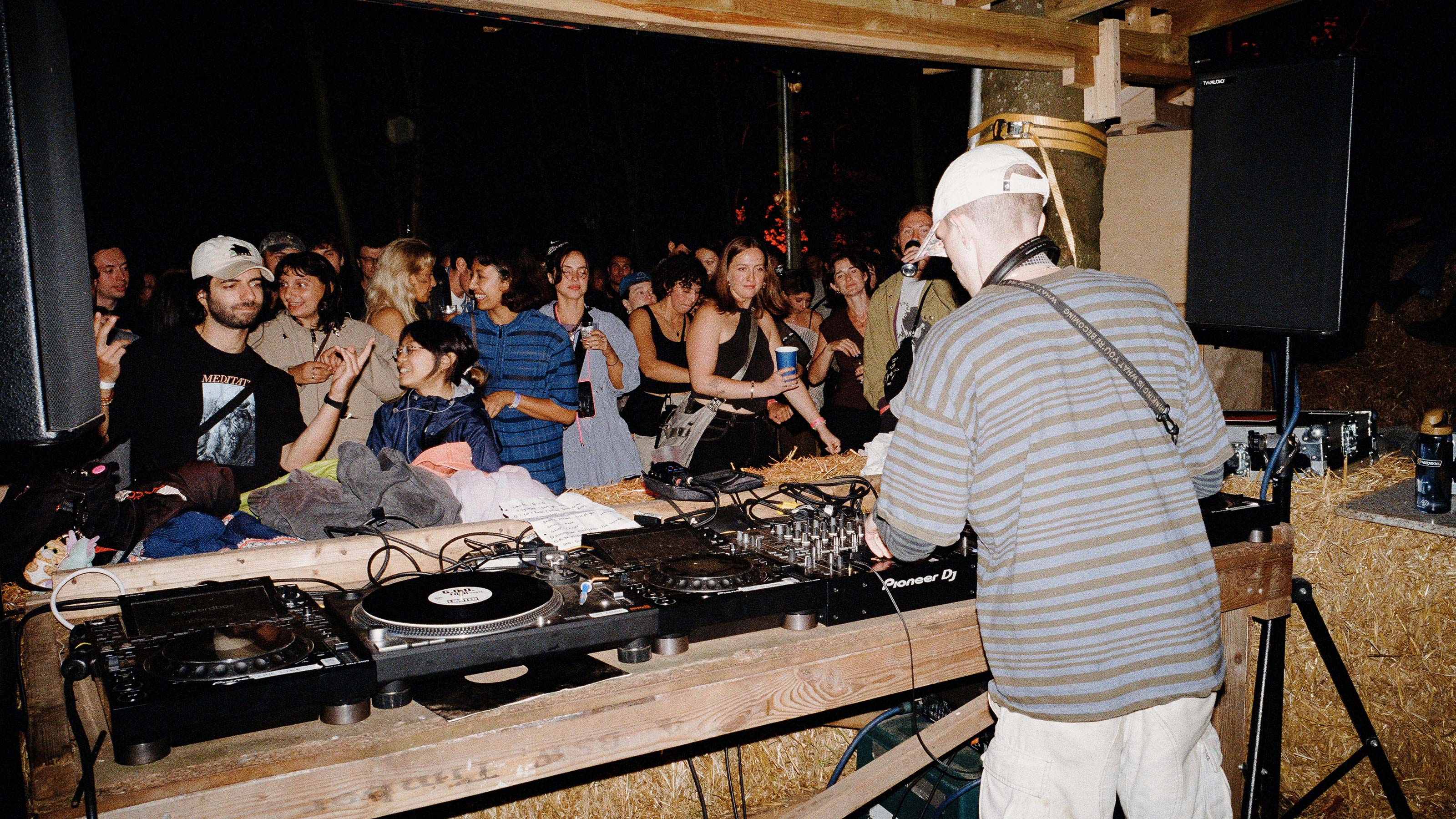
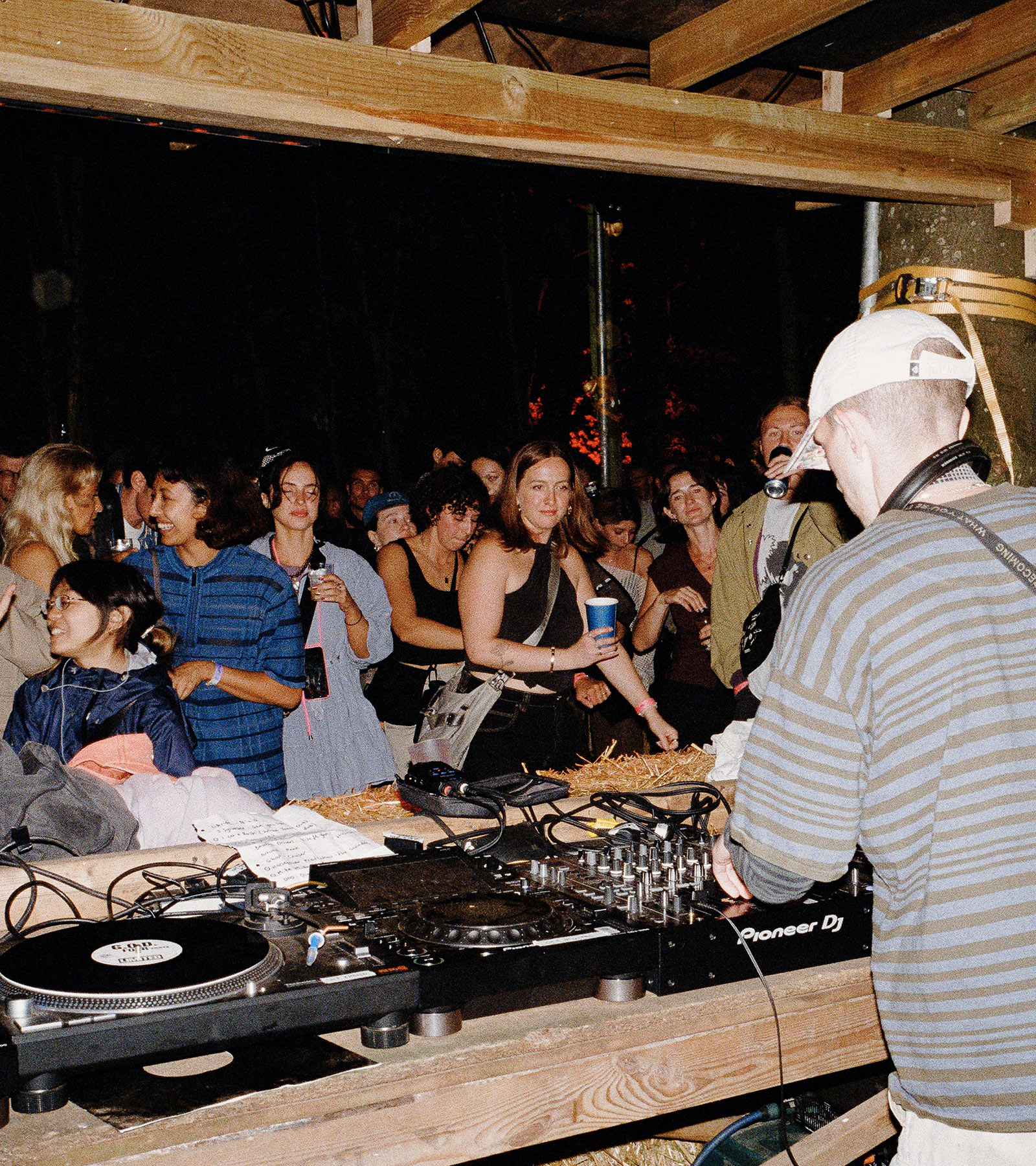
A. Small, DIY and community-organised places are incredibly important for the scene. These spaces encourage and facilitate very real and tangible connections in ways that I think larger venues struggle with. In a place as vast as London, I feel like this is particularly crucial, and I definitely find myself taking it for granted sometimes, particularly based on my experience of being in Bristol. Walking into a club, seeing people you recognise, friendly hello-s, knowing where the speakers sound best, where the most comfy place to sit is, whatever else. Being in a group, being alone, meeting someone later, not meeting anyone at all. All of this feels ok in a smaller space, I think. I’ve mostly avoided large spaces for years now, so perhaps I have less to say these days on the topic. They make me feel lost, not just because of my terrible sense of direction.
Q. How do you balance authenticity with the pressures of social media and visibility?
A. Ah, the social media conundrum. If it felt easy enough to exit, I would. But truthfully speaking, I find it difficult to leave completely, simply because it’s pleasant to speak with people and engage with communities that might otherwise be difficult to contact. You can certainly be on social media and be authentic, but they’re not mutually exclusive. For me, this means not defining myself through social media. I remain conscious of not being too dependent on any platform, but clearly, it’s a difficult balance to strike. It’s encouraged relationships and opportunities that I wouldn’t have otherwise. I’ve been able to find out more about the music I love, directly from the people who live, breathe and make it. Email’s a decent medium, but it’s not as easy to have a candid conversation.
I grew up on the Internet, both spiritually and virtually. My upbringing was strict, so a lot of my communication was held online. Chatting shit all night, playing computer games. I’m digressing from social media here, but what I’d like to highlight is that online games were my first introduction to community and belonging, one that wasn’t dictated by my parents or school. It was important to me, and I still look back at those times fondly. I think there are clear parallels between that particular time of my life and engaging with others via social media today. For people who might feel isolated, it can be a real comfort, but on the flipside, it requires a high level of cognisance, which isn’t so easy when the ecosystem is driven by opaque algorithms, fed by normalised narcissism, and fundamentally designed to keep you there. These days, I find it all a bit overwhelming, though. The main pressure I feel is the struggle with keeping on top of communication, more so than maintaining some level of visibility as a DJ. The whole visibility aspect feels redundant in comparison.
Q. Beyond music, what other forms of art influence you?
A. Cooking, the greatest art of all (sorry, not sorry to music and other art forms).
Q. You are working on a PhD. Can you tell us what about? And what drives you to do it?
A. My work has touched on a couple of things so far. My first project involved building a deformable musical interface, meaning it uses malleable materials (such as clay) to interact with sound. The idea is that you can engage with quite complex methods of sound creation through something fun and intuitive. It's all rooted in experimentation and play, and you map the shapes and colours to sounds/parameters of your choice. “Bouba-Kiki” vibes. I’m interested in how this kind of interface can be made accessible beyond traditional contexts.
The other project has involved building an audio sample archive designed intentionally around slowness and context, to promote more conscious and ethical use of audio archives. The platform embeds ideas that are rooted in consent and ethics and is simultaneously a rejection of the culture of excess that AI has accelerated in music consumption. Part of this work, therefore, touches on how machine learning could be embedded in these types of systems, in a way that is transparent and considered. Both of the bits of work I do touch on making complex topics accessible to people outside of academia, to allow people to interact with things that might otherwise feel overwhelming or complicated. I never felt very academic, at least not in the traditional sense, but I’ve always enjoyed research, so making it accessible to people outside of it is what motivates me most.
Q. Are there any projects or directions you’ve been wanting to explore but haven’t yet?
A. There are quite a few things I’d like to do, but if I start listing them, I won’t stop, so I’ll keep this short and based on something real. I have been scheming with my partner in crime, i-sha, for a few years now………. something very real…. Hehehehe.
Tracklist:
Soft Items - 2C & 3B
Paperclip Minimiser - TT A2
Lupay - Blood Diamond
Subsism - Radiant Recess
CO2 Flow - X9
Thomas Bush - Aligned M1
Curley - Mayhem 2
Upsammy & Valentina Magaletti - Hyperlocalize
Sugai Ken - 土獅峠 (Toshi Touge)
Rian Treanor & Ocen James - Tiyo Ki
Funki Porcini - Carwreck
xàr num - Superposition Flow
Romeo Poirier - OneTwoThree (live rec)
Ena - Out of Nothing
DalidaCarnage - Beldam
DJ Strawberry - Loop Switch Werkz
Cloud Management - 666 Interchat
ST AGNIS - Breatheslow
SW & HSM - 21.48
Donato Dozzy & Sabla - Flusso I
Donato Dozzy - Synthi Chase
Aliocha - Cupidon is Dead
Tapetud Rott - See Mees
DJ SUHOY - FOOLS BE TRYIN FEAT. CHAOSY & KURMAZ
Sabla - Vibrations (resonance mix)
Ase Manual - Lucy in the Sky Wid Diamonds
nueen - RBC
Jana Rush - G-Spot
SpaceGhostPurrp - fuck tha gold diggaz