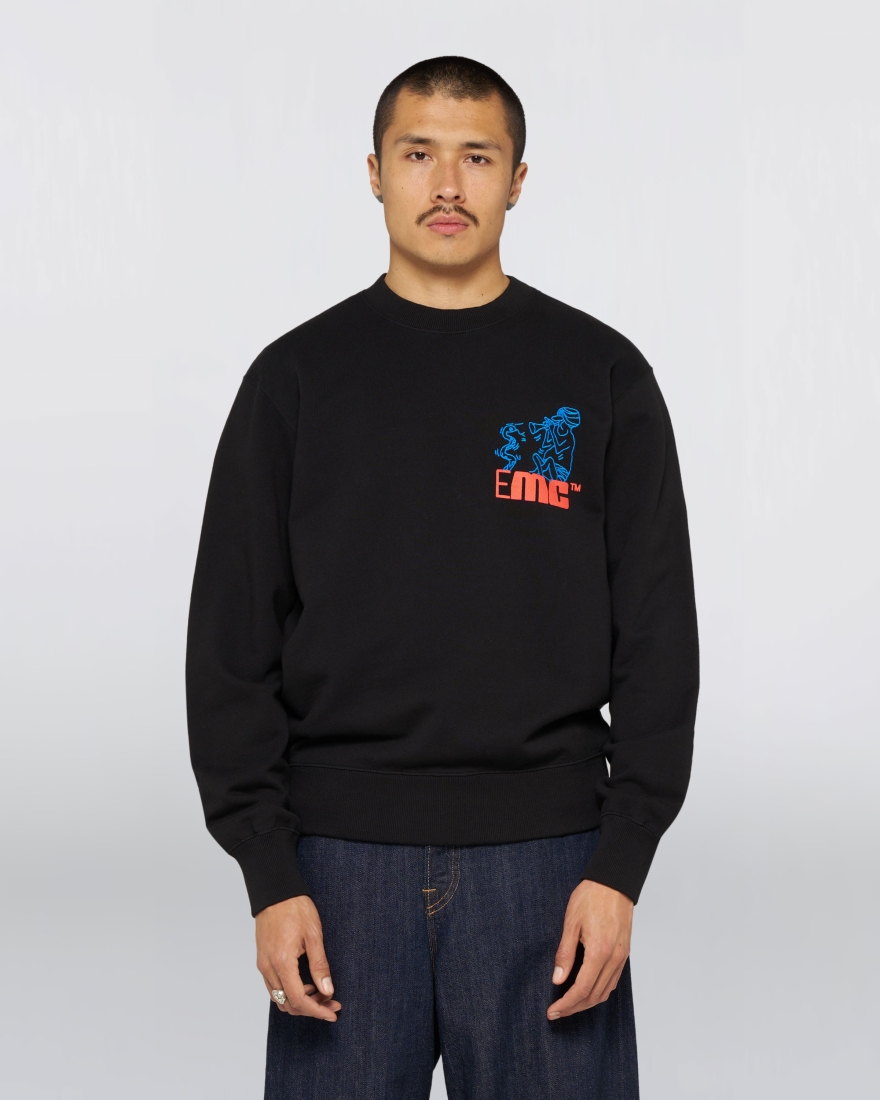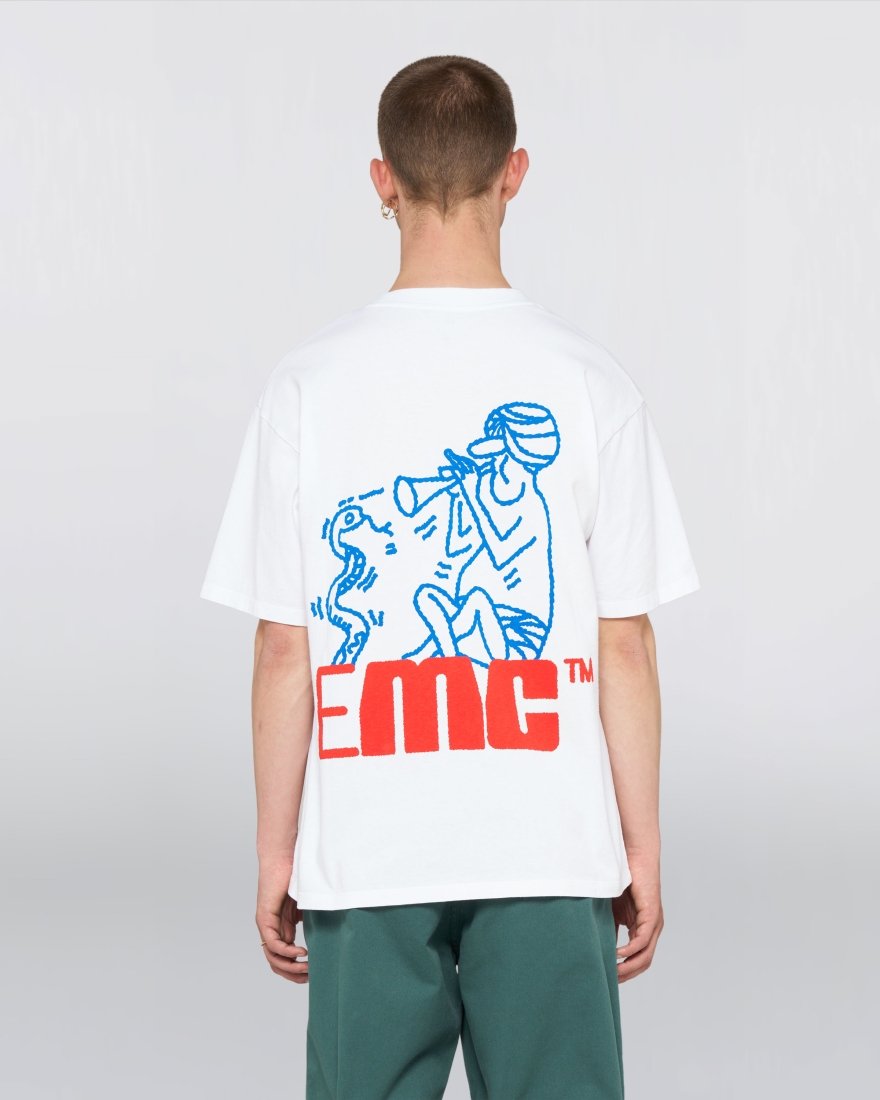


№ 147 - Marylou
- March 17, 2026
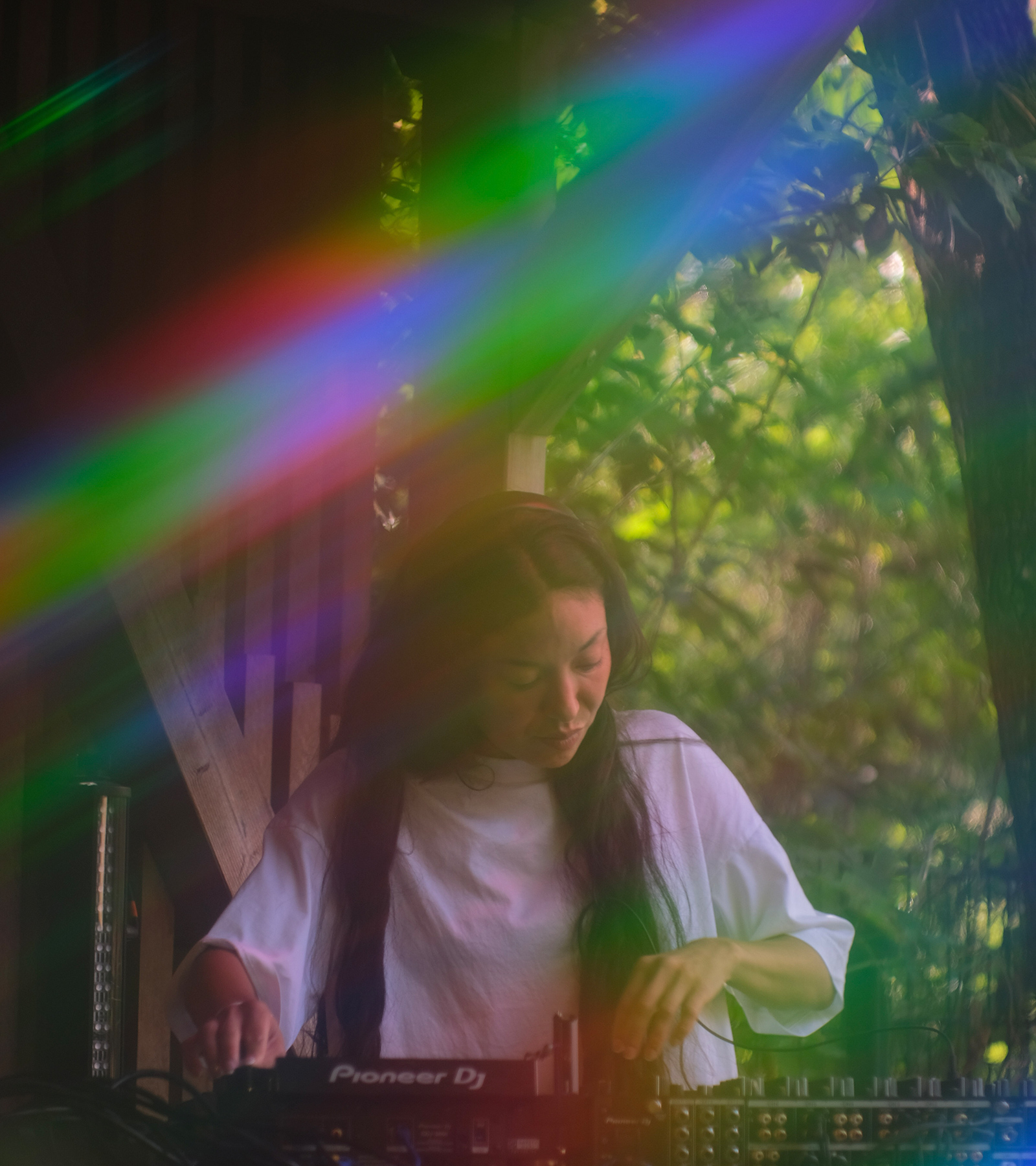
№ 147 - Marylou - The EDWIN Music Channel - エドウィン - № 147 - Marylou - The EDWIN Music Channel - エドウィン - № 147 - Marylou - The EDWIN Music Channel - エドウィン -
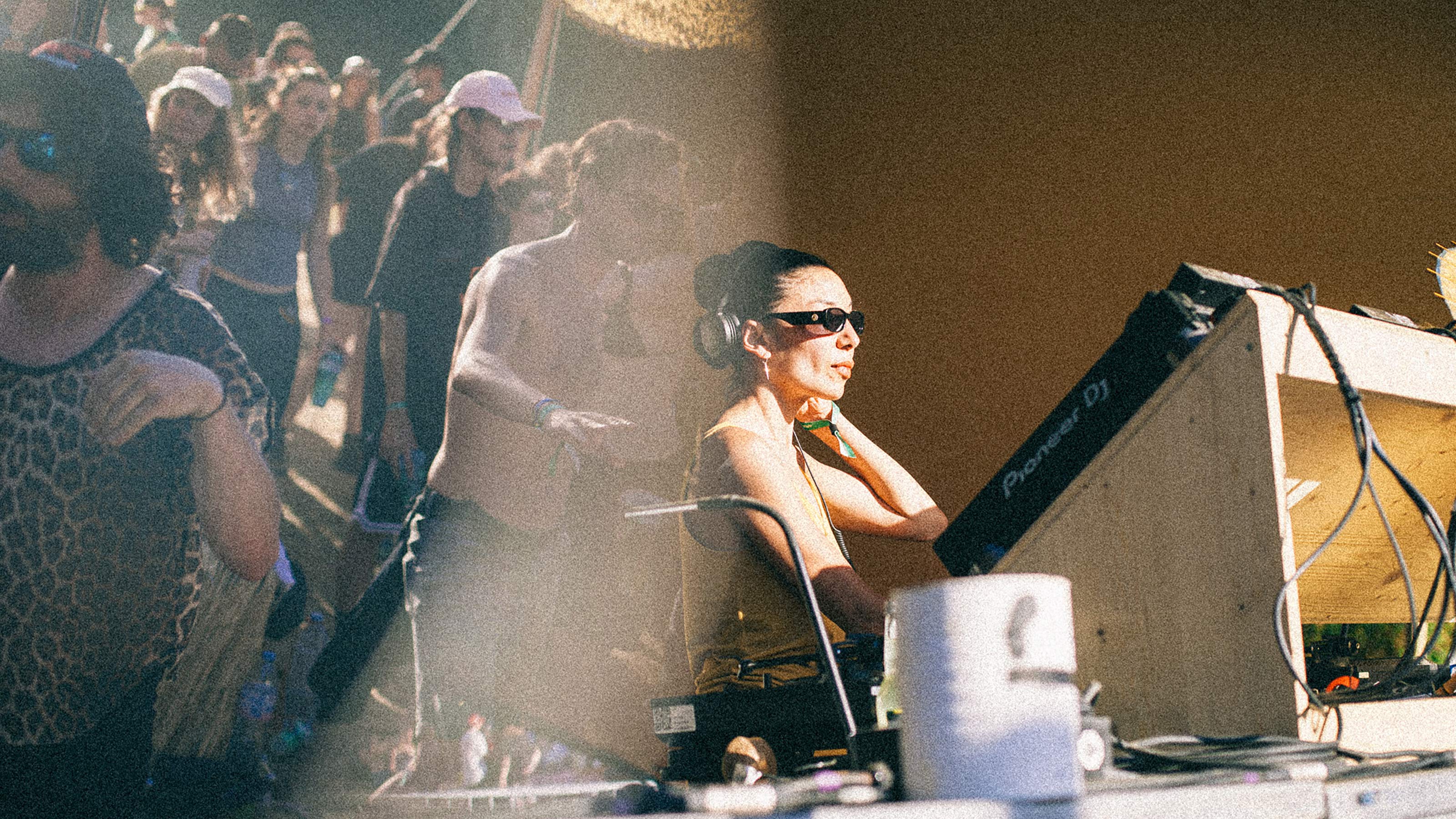
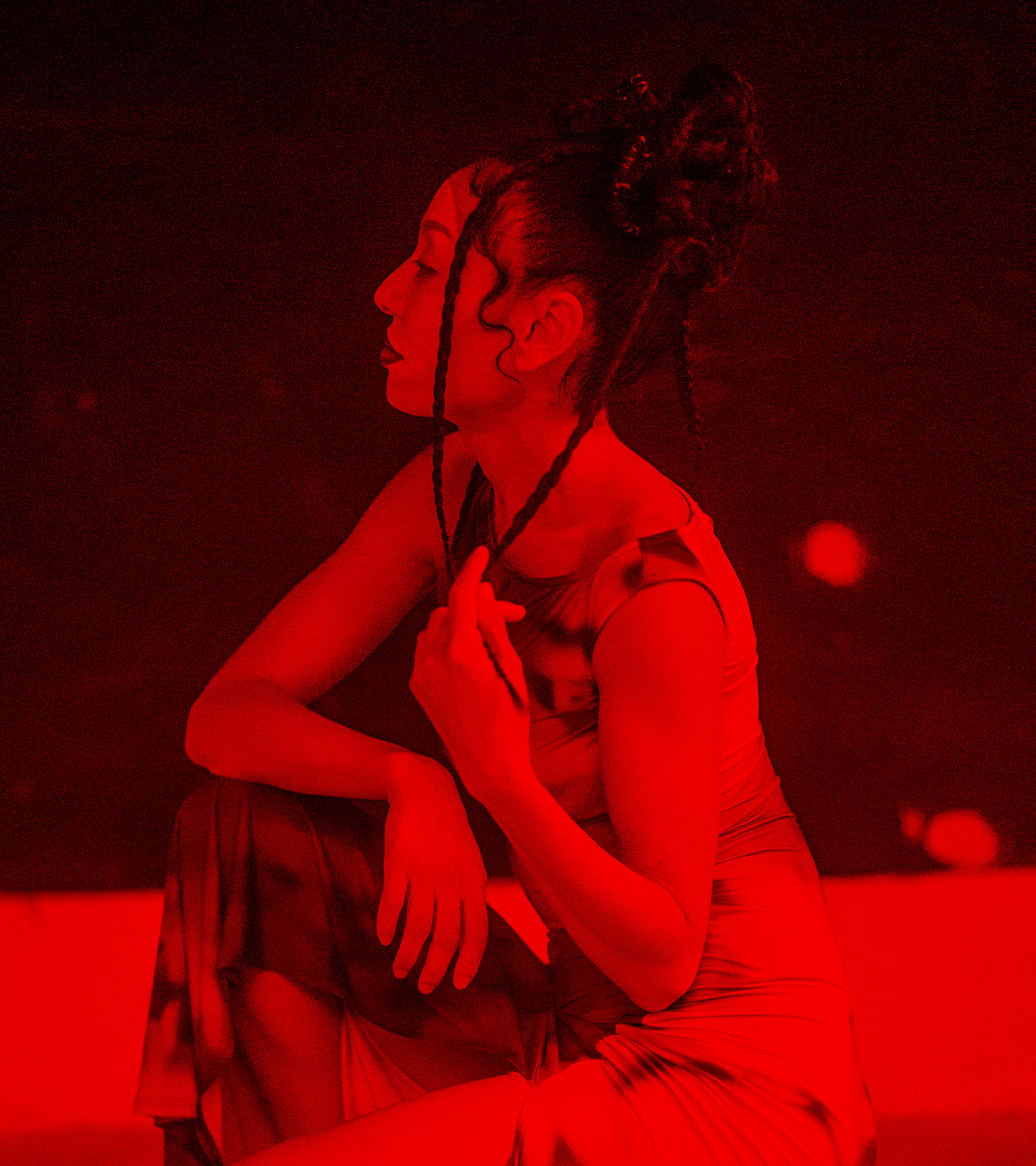
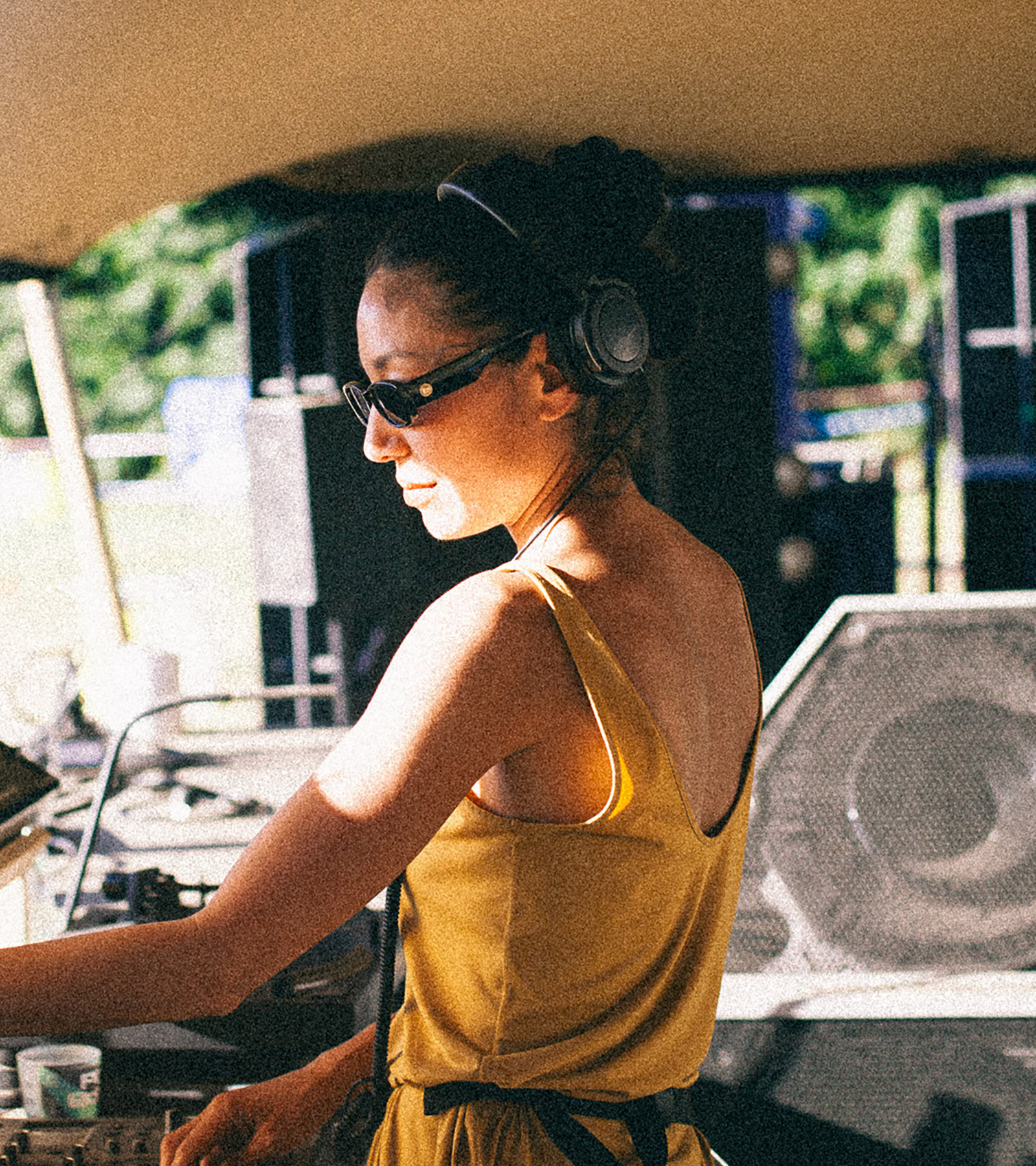
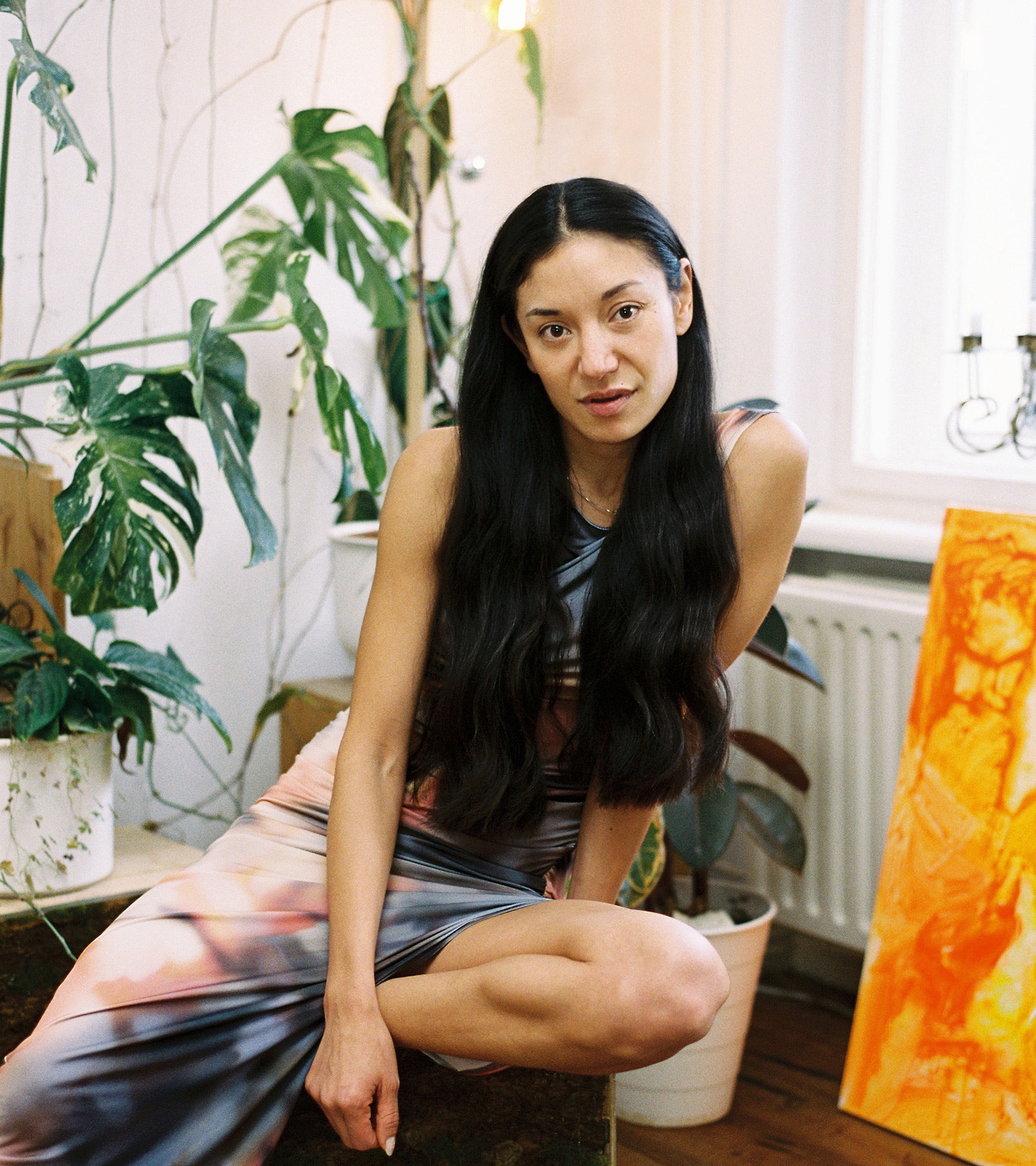
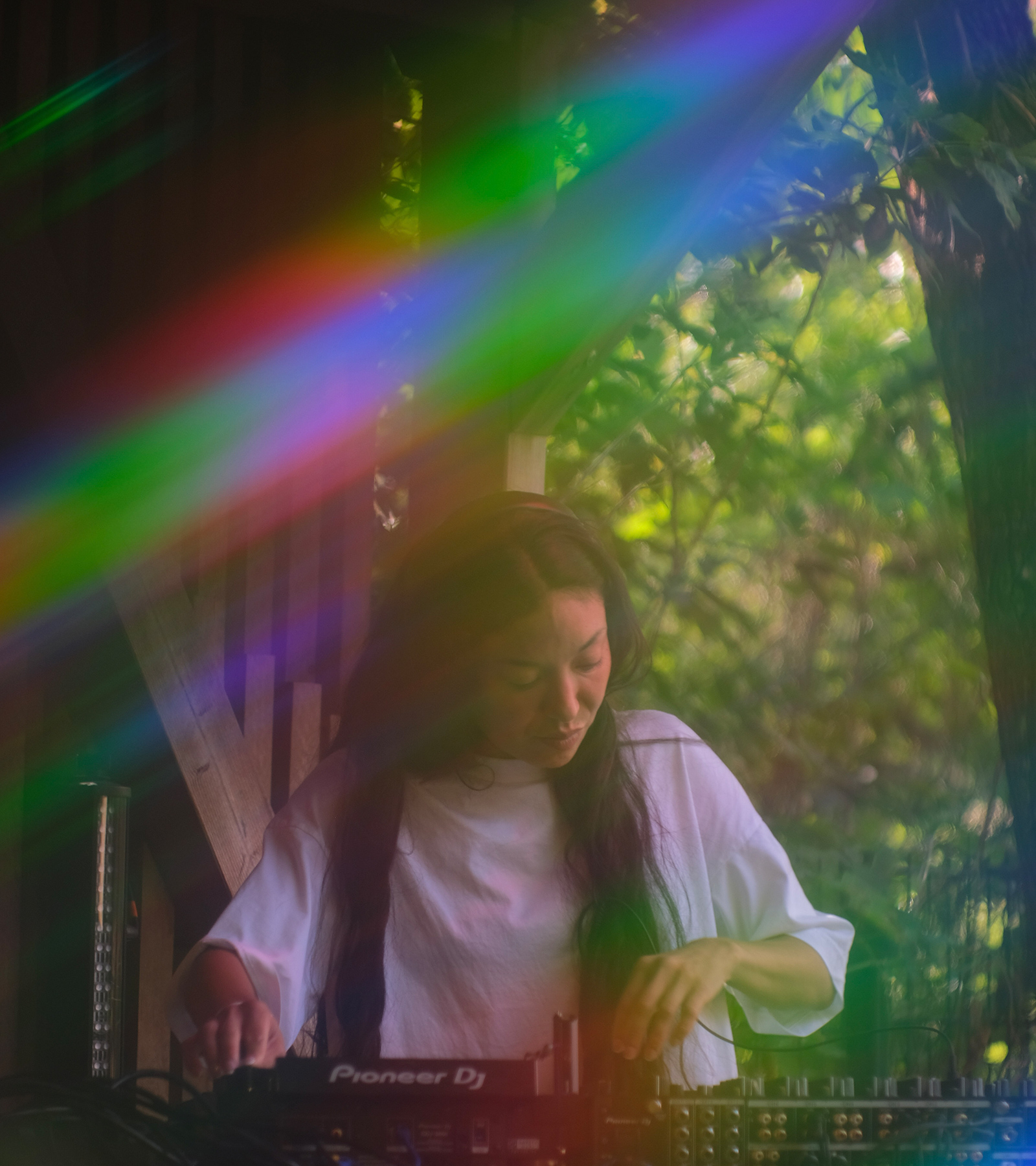
Based in Berlin, she has built a reputation for deeply immersive sets that move gracefully between dub, noise, traditional music, jazz, footwork, and breakcore - crafting sonic journeys where unexpected transitions and shifting tempos become part of the tempting narrative.
Her mixing style is psychedelic and precise: serene atmospheres dissolve into rugged drum patterns, dub pulses morph into jagged electronics, and scattered rhythms collide with hypnotic basslines. Moving effortlessly across BPMs and genres, Marylou approaches the dancefloor as a space for experimentation. Raised on the southwest coast of France between sound system culture and surf, she later studied painting and cinema, disciplines that continue to shape the way she constructs her sonic narratives.
After developing her musical voice in Paris, where she organised parties, wrote about music and became a resident on Rinse FM France, she relocated to Berlin and became closely involved with the city’s contemporary avant-garde live scene as well as club landscape. She is also part of the Wheel of Fortune collective alongside Roxymore, CCL and Nono Gigsta. Her mixes have been featured on platforms such as Mutant Radio, Cashmere Radio and Refuge Worldwide, and she performed at influential festivals and venues like Atonal, Terraforma, Freerotation, Café Oto, and Berghain, playing alongside friends like Donatoy Dozzy, Monolake, Vladimir Ivkovic, and Lyry Pramuk.
Selected for the SHAPE+ 2024–2025 roster, Marylou continues to push the boundaries of contemporary DJ practice - blending avant-garde experimentation with the physical energy of the dancefloor while crafting sets that feel as much like cinematic journeys as club experiences. For our EDWIN MUSIC CHANNEL MIX N° 147, she prepared a bass-heavy journey with some jazz-laden twists and experimental shifts. As ever, we reached out to our host, speaking with Marylou about her history, art, the current state of the DJ world and more.
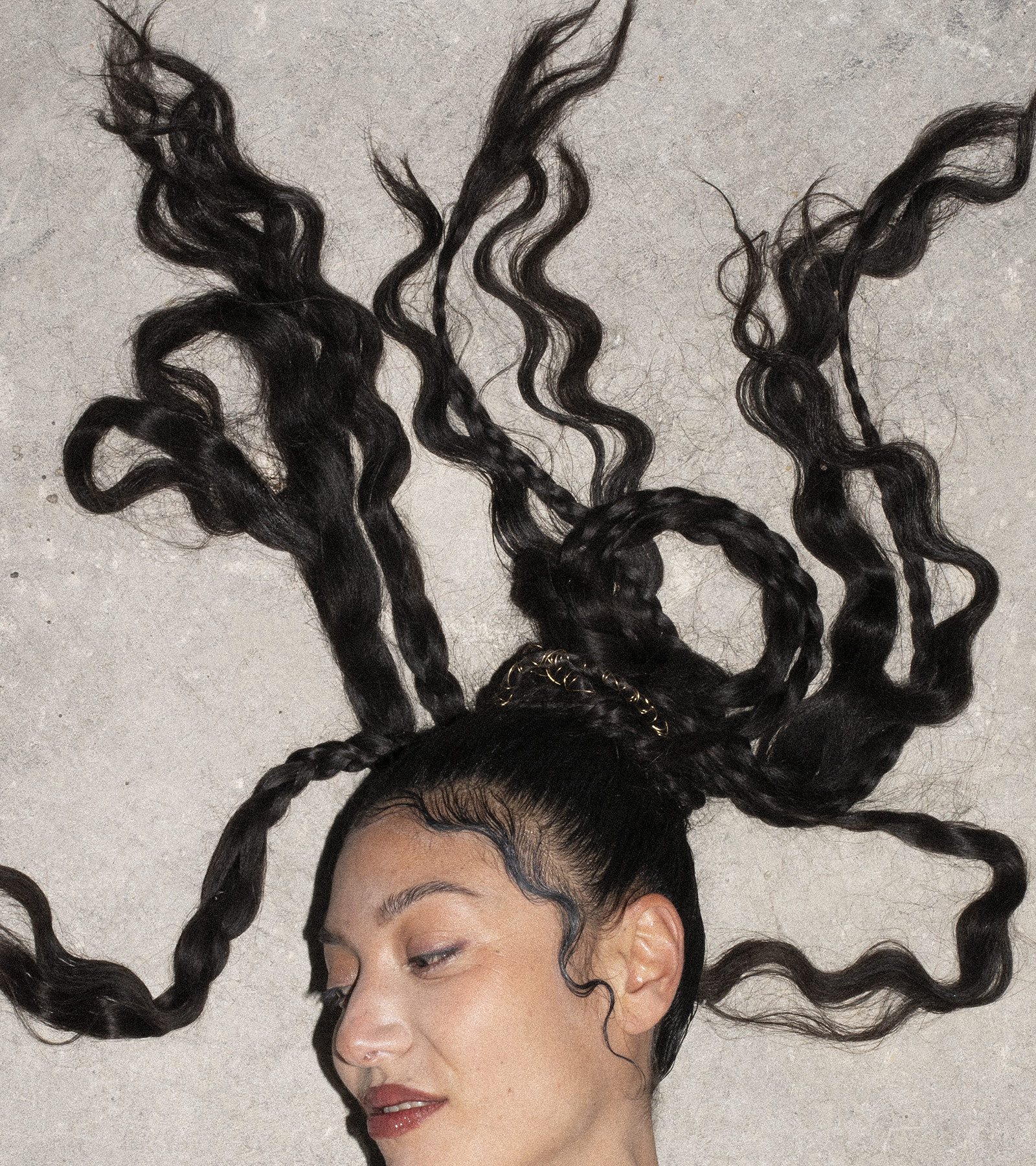
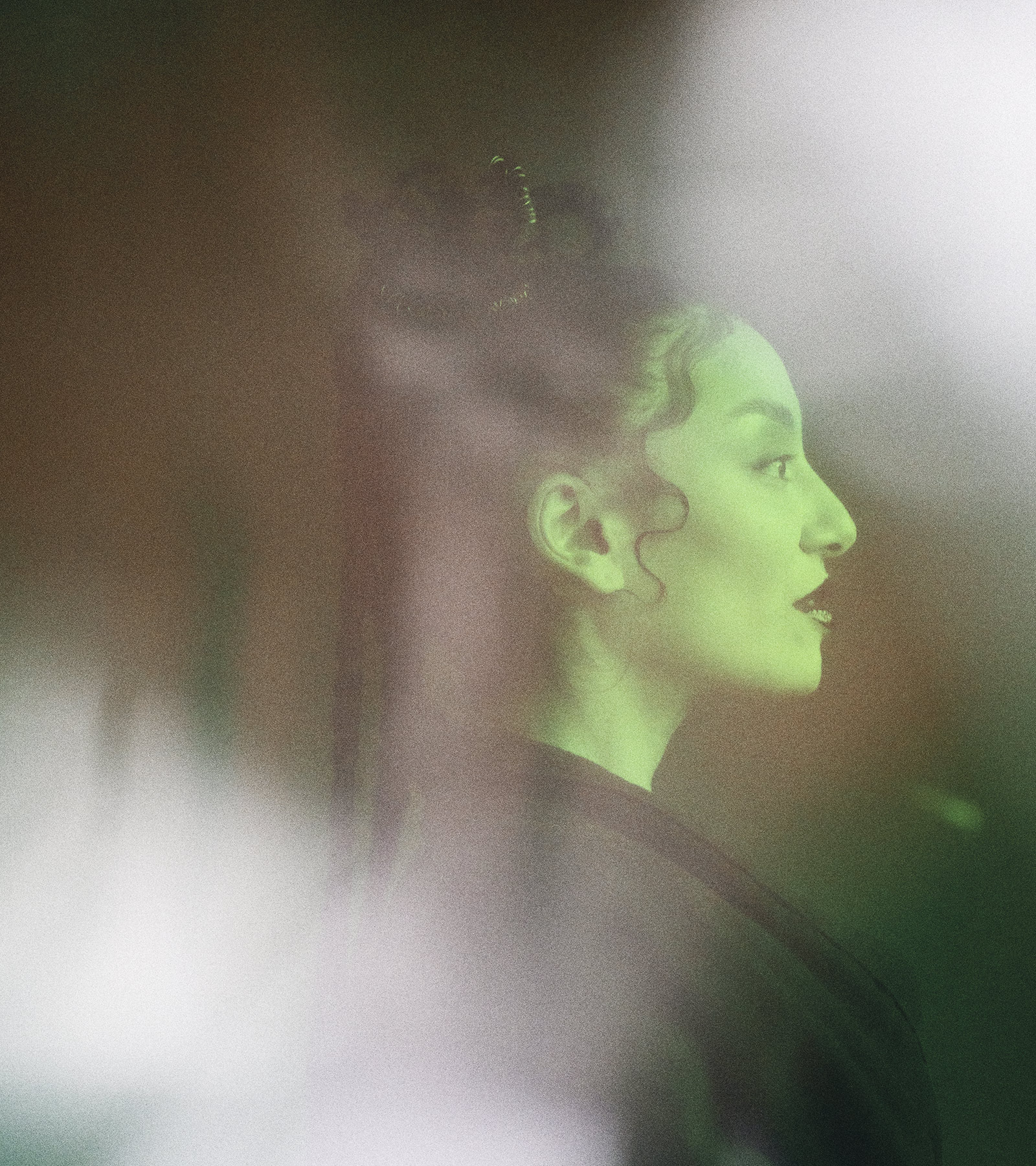
Q. Marylou, was there a specific moment or influence that made you realise you wanted to pursue music seriously?
A. Music has always been very serious, sacred, and precious for me. But I never intended to make a career out of it. I worked in record shops, studied cinema where sound is a big part of it, wrote about music, painted about music, and danced. Djing is one of these things related to music that I try to do seriously. I am proud of being and staying an outsider.
Q. Growing up, what were your earliest musical inspirations - were they DJs, producers, or something entirely different?
A. Music had always been very present in my early years. My dad was fond of electronic music; we had a very nice sound system at home. I got introduced to DJ culture at a very early age, since he was himself a DJ from time to time. He might be the one introducing me to deep listening, too. I grew up in the southwest of France, in the countryside next to Bordeaux.
In my teenage years, I listened to a lot of folk music, roots reggae and dub, but also some electronic music. I always had a special attraction for rare grooves, deep cuts, niche sounds, and making my own tapes out of all. I was already following my elder friends at sound system parties or club nights, because back then, all my friends were already DJs or selectors. In my early 20s, I started to throw parties with friends and go to the Freerotation festival, which was my most influential school.
Q. How did you make the transition from being a music lover to DJing?
A. I think it was my friend’s pressure. I never really intended to be a DJ. I thought my love for listening was enough. I started playing mostly for the radio, as I loved how romantic it is to channel music without being seen. Radio was my transition and is and forever will be, a place where we serve the music and only the music. No egomaniacs and hand-in-the-air choreographies. Another transition was that I also played a lot as a support act for experimental concerts. These were my first gigs as a DJ.
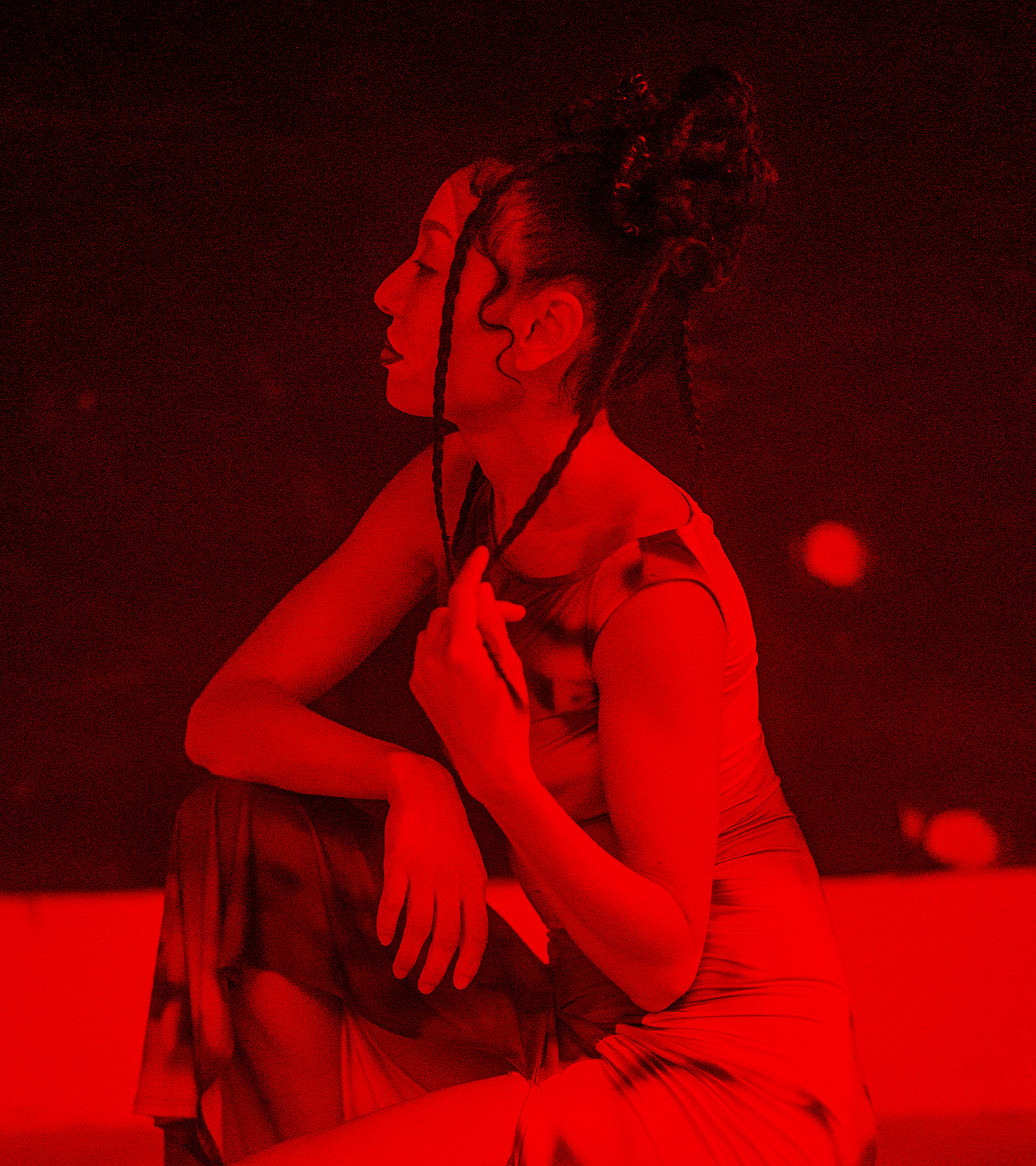
Q. What was your first experience playing in front of a crowd like?
A: As I started playing records in bars, you were not supposed to be at the centre of attention. I still play a lot in listening bars, and it’s my favourite place. The first club gig I had was after a request of my friends Brice (who is linked to the Paris clubs Concrete and now Essaim) and Sydney (who is behind Latency Recordings), who trusted me enough to open for their night at Concrete in Paris. I wasn’t even beatmatching at the time.
But here I was, on the same flyer as Yousuke Yukimatsu, his first tour in Europe, Shackleton, Ulf Eriksson, and Even Tuell. (They really had flair, because I still play often with these artists I admire so much) It was fun, I played experimental, I was freaking out about people watching me, but I was mostly excited about the rest of the music I would hear that night.
Q. How would you describe your sound to someone who’s never heard you play?
A. Tricky one. It’s based on unpredictability. I invent narratives, and I love to provide music to dancers and listeners. A good storyteller. I often struggle to describe the music I play. It’s very wide, so I can’t talk about genres because they don’t matter. If I had to, I would say I like to experiment with elements of dub, noise, traditional music, spoken word, hip-hop, jazz and any range of bass/music. It’s very dense, loaded and only for committed ears, because I must say I have a liking for uneasy music. I’m known for ambient, but it’s a word I despise. Let’s say deep listening. Or hardcore ambient.
Q. And which genres have shaped your musical identity the most?
A. I think Jazz and Dub. I used to work as a waitress in a famous Jazz club in Paris when I was 20. I saw people up all night playing. And I listen to the most beautiful music, jamming, laughing, the sound of each instrument being explored to the max, the standards…. Next to that, the work of a DJ sounds pretty dull. It taught me the sense of improvisation and my love for live music. I’m always inspired a lot by jazz or improv musicians. Then I went really deep on improv music, I had to, as back when I worked at Berlin’s Morphine Raum, again listening every day to incredible music, but way more experimental.
Dub is the music I would listen to if I had to choose one genre to listen to for the rest of my life. It’s so rich, it’s loaded with deepness, history. The melodies, the time warping. And there are so many styles. The meaning itself is to re-invent, remix, reshape. This love for the sound system culture recently evolved, as I, together with the other Femme Bass Mafia angels, built a 4-way mid-range sound system. Community and dub are words that go together. Both jazz and dub have evolved a lot over time. And I try to twist and distort them, but always honouring them.
Q. Are there certain records or artists you always find yourself returning to?
A. Of course! Eliane Radigue, she taught us so much: the feedback works, the drone…I go back to Eliane as I go back to an old book, to feel comfort and peace. John Hassel, for his visions. Hamid Drake is my favourite drummer alive. Moor Mother, for her incisive poetry, Shackleton is always re-inventing his sound whilst keeping its signature. And any dub record!
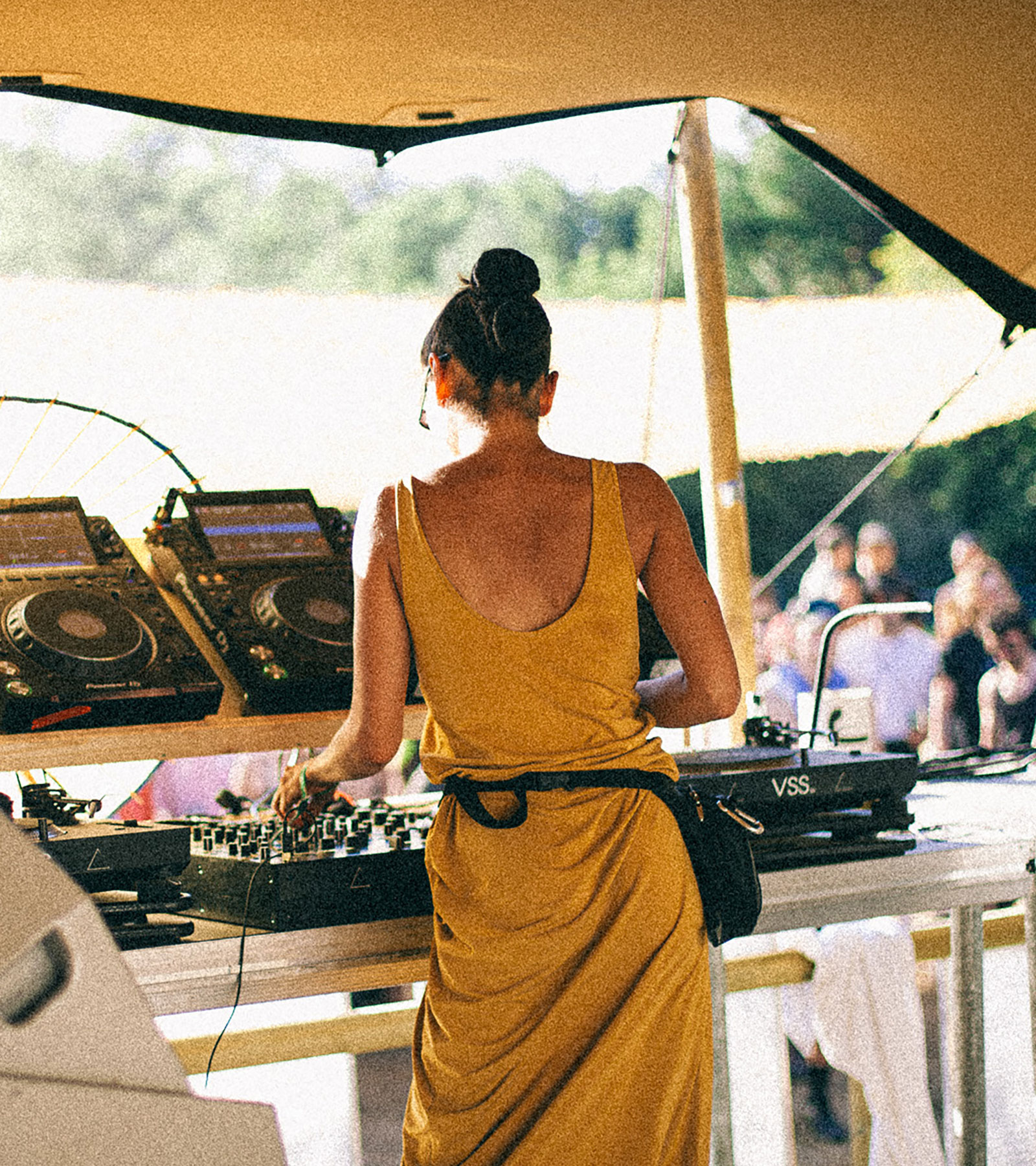
Q. What’s your process when curating a set - do you plan it carefully or let the moment guide you?
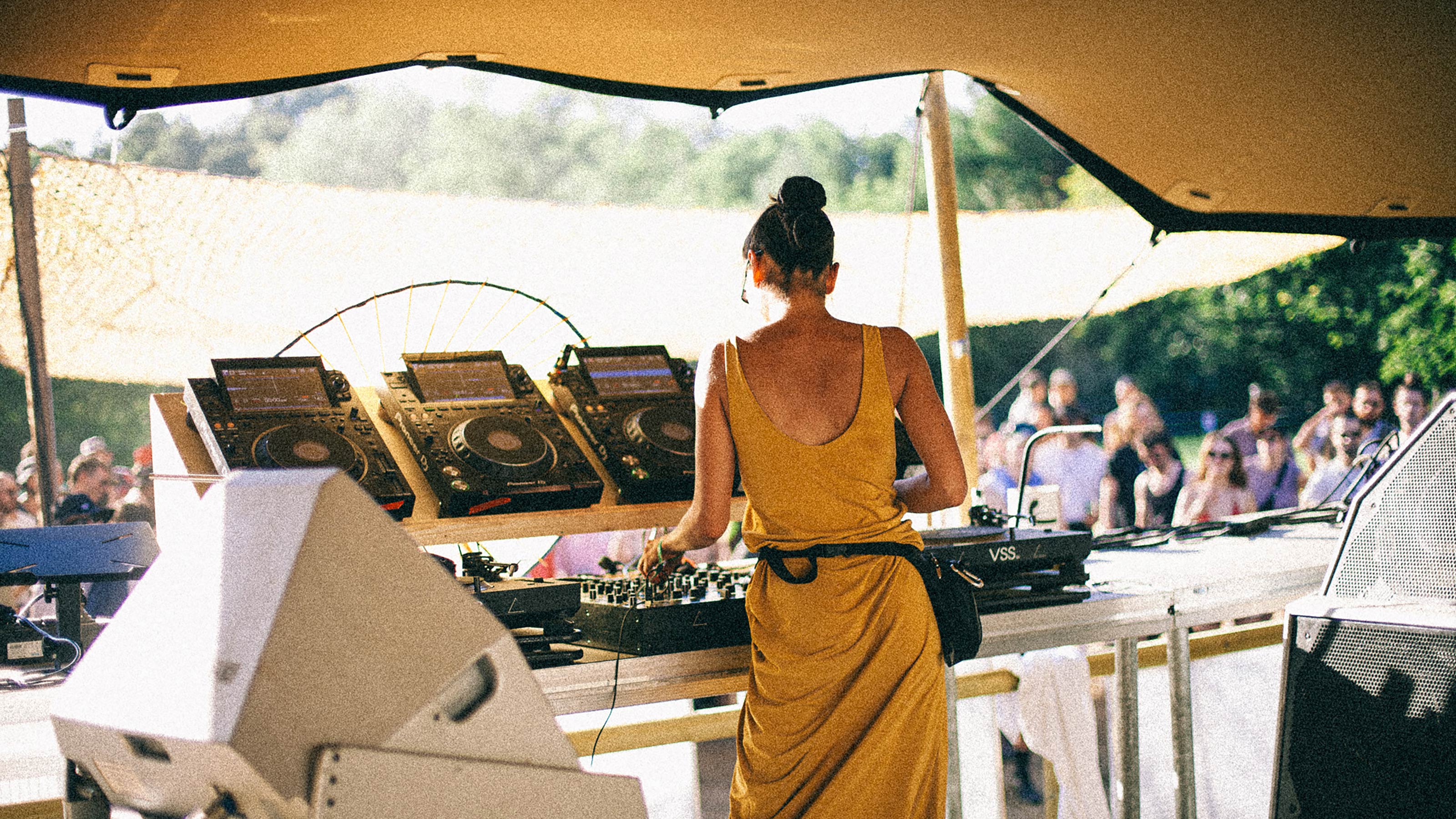
A. I don’t think I can enjoy playing when I overprepare. I tried in the past, but it’s not something that works for me. Another important thing is that I rarely play records now. With records, I had to prepare more, because they all must fit in your bag! With digital, I sort and organise a lot of my music, with colours-playlists that mean different vibes, only making sense to me though. I have green, white, orange, red, black, golden… I would not even be able to describe the music related to it with words. But I do prepare a track list, not ordered, but with my intentions, so I can build my story around it when playing. I also think it’s part of being generous and open to the crowd to let yourself enjoy the present moment without too many preparations.
Q. How do you balance playing what you love with reading a crowd?
A. I must talk again about generosity. I play experimental music mostly. When I play in clubs, I can rarely compromise, I feel more like I’m making live music instead of DJing, meaning I don’t have anything else to propose than my weirdness… Yet, I do love to give so much, to give it all. I always want to believe in the audience, believe that they can be ready for what I propose. It happens in big clubs that I play for a more random crowd. But I kind of live the challenge and invite them to experience something different on a dancefloor, sometimes for the first time! Which is so exciting for a DJ. I think if you play music because you love it, you will always somehow read the room: If you deeply feel the music you are playing, you feel when to build up, when to welcome space, when to breathe, when to get ecstatic, when to invite chaos.
Q. How would you describe the current state of the DJ scene - both locally in Berlin and globally?
A. I won’t talk about the mainstream techno, TikTok, egocentric, ruining the planet’s DJ scene that I don't feel like I’m part of, obviously. But locally in my niche. I am really privileged to be part of a very nurturing, empathetic, and incredibly creative DIY scene in Berlin. I owe a lot to places like Panke, Arkaoda, Morphine Raum, OHM, Block One, Mahalla… collectives like Kookoo, …. In general, I’m closer to the experimental live show scene than the DJ scene.
But from where I watch, I see that things have changed a lot after COVID, as the cross-generational bond on the dancefloor, which makes you feel like being part of a family, a place to learn, is broken now. The new city mayor launched a project to build an autobahn crossing all the eastern parts of the city, where there are dozens of clubs. They all must close. Also, since the genocide in Palestine started in 2023, people are also distancing themselves from institutions, funded places, as well as from the powerful voice of the Antideustch, unrooted in the local club culture since the 90s.
Still, a lot of clubs are ruled by their ideas. [The most interesting is that they claim to be antifascist, far left, feminists, and still support a Zionist state.] Another generational rupture. More globally, the DJ touring industry also implies systematic exclusivity for touring and local DJs. And an attitude that does not create a scene. It is so toxic for small profiles who need a few gigs in their town to survive. They are paid less and must follow the same exclusivity rules as the touring DJs. Who cares if the local DJ is playing around the city before and after his show in a big club? It wouldn’t impact the success of a night. That policy being applied to them, sometimes one month before and after the show, for a tiny fee, is killing the local scene. But I saw sprouting a lot of new beautiful collectives and micro-festivals, all over Europe and more. It gives me a lot of hope for building new ecosystems that are more ethical, sustainable, safe, welcoming, and humble. I love what I’m witnessing.
Q. What do you think are common misconceptions people have about being a DJ?
A. I think the job itself has been so decontextualised, huge stages, mimicking band shows, the over-performing, that people often don’t realise how shy DJs are. And if the person likes the stage more than the music, there’s something wrong. (Some people can do both, but not the majority.) When I play sound systems, or in a context where I don’t face the crowd, I feel like I can dance freely, focus and just do a better job. We don’t want to be seen.
Q. What do you think are common misconceptions people have about being a DJ?
A. I think the job itself has been so decontextualised, huge stages, mimicking band shows, the over-performing, that people often don’t realise how shy DJs are. And if the person likes the stage more than the music, there’s something wrong. (Some people can do both, but not the majority.) When I play sound systems, or in a context where I don’t face the crowd, I feel like I can dance freely, focus and just do a better job. We don’t want to be seen.
Q. Do you think the soul of DJ culture is changing with technology - for better or worse?
A. The soul of DJ culture is definitely dying. No one plays records anymore; it became an old craft, unfortunately, but still can change everything in the way a set will sound, evolve, the narrative, the pace … I don't consider myself a DJ. To quote Jane Fitz, “people now are USB-Js, not DJs. It’s like playing Ping-Pong or Tennis, it’s similar, but totally different”. It’s changing of course for the better because technology is amazing, and the way you can edit live with CDJs is mesmerising. I’m in love with these instruments. I just hope the art of DJing doesn’t disappear. In that digital transition, since we lost a big part of the human factor in the equation, it’s an even harder job to make our sets livelier and more interesting.
Q. What has your experience been like as a woman in a male-dominated field?
A. I was lucky enough to never feel like I was discriminated against. A lot of my male friends pushed me to start. I think it has also improved a lot, and I feel lucky to have witnessed it. In my niche at least. There are also some downsides, like tokenism. I feel like it will always happen. And some trauma remains, the ones that we can’t see. I don’t know any women DJs who do not suffer from Impostor syndrome. It can also be the fear of rejection, extreme shyness, no attraction for a career, because our “place should be at home. Women are still struggling inside because of decades of patriarchy. But at least now we have a voice.
Q. Are there female artists you look up to or who have inspired you?
A. Pauline Oliveros, Alice Coltrane, Eliane Radigue, Anna Homler, Erykah Badu, Sister Nancy, Moor Mother. For DJs DJ Marcelle, Nora Sigué, Jane Fitz, Nono Gigsta…and so many more.
Q. What part of your work brings you the greatest joy?
A. Bringing my piece to the puzzle of the party. People forgot that the DJ is a small part of the party, not the centre. The greatest joy is when the night is perfect, a good sound system, lovely and curious dancers, the magic operates, and you can tell the best story you have ever told. When I tour, meeting people from other places who have the same intentions toward life and music.
Q. How do you define success for yourself - is it artistic growth, audience connection, impact, or something else?
A. Looking back at your journey so far, what are you most proud of? I’m so proud to have played on incredible sound systems, the first one: Killasan, seven years ago, for the Wax Treatment party. Mark Ernestus is the GOAT. I was the first on a long list. And that’s what I’m the proudest of. I’m also very proud of people telling me they discovered a musician through my sets. I believe education and opening minds are part of the job of a DJ. I’m so happy I can showcase so many incredible musicians through my sets.
Q. Do you have dream venues, festivals, or cities you want to play?
A. I want to play in Japan! I toured there once, a long time ago, and never played there since. I felt like people understand the music I play, and they are not afraid of experimental music in clubs. I feel at home musically and in many other ways. Also, Dripping in the US, and Unsound and Rewire in Europe would be great to play.
Q. What’s one contemporary record you think everyone should hear at least once?
A. Rhythm and Sound w/ the artists!
Q. If you weren’t a DJ, what do you think you’d be doing right now?
A. I'm a chef cook, so I think if I weren’t DJing, I would just be a chef. There are a lot of similarities between the two jobs. I also like to stay in the working class, because it keeps me grounded and allows me to choose where I perform carefully, and play what I want, and ultimately, stay underground. I can play DIY parties because I don’t need the income, don’t need to overpromote myself to fill up a calendar, or change the way I play to be able to access big festivals.
Q. Is there a story behind your mix for the EDWIN MUSIC CHANNEL
A. It’s a trip. The music speaks for itself. And it is a soft introduction into a mixtape I will release on the British label Accidental Meetings later this year.
№ 147 - Marylou - The EDWIN Music Channel - エドウィン - № 147 - Marylou - The EDWIN Music Channel - エドウィン - № 147 - Marylou - The EDWIN Music Channel - エドウィン -
Track list:
Pak Yan Lau - Bakunawa Part I
Keiji Haino, Jozef Dumo - Snow is frequent, though light, in winter
Anna Caragnano & Donato Dozzy - Fraledune
Shackleton - When Memory cease
Pacha Wakay Munan - El Taki Onkoy ( ft Ximena Menéndez )
Moor Mother - Nighthawk of Time ( feat Black Quantum Futurism )
Random Gods - Prumoo
Bendike Giske - Adjust
Stones Taro - Desaturation
Alllone - Never The Wave
RSD & Teffa - Seen
Irreversible Entanglements - Celestial Pathways
Saule - Cure Them
Gent1e $oul - Sweet Dreams
Natsumi Hirota - Epilogue
Angel Bat David & Naima Nefertari - Chariots of Expansion (people could fly)
Shackleton - Let it Go
Simo Cell & Abdullah Miniawy - The Dala Effect
Teffa - Shapeshifter
Low End Activist feat. Lloyd Fears - Hope Trilogy
dBridge - Digital Dread
Legion - Rastaman
Dakn, Aquilles Navarro - Remaining
Kuntari - Parai ii
LeTo - Holy Fire
Ōtone - Valve
Stones Taro - Proximity Warning
Jess - Slimy Ape
Mark Fell and Will Guthrie - Infoldings 2
Susumu Yokota - Wani Natte
Roland P Young - Velvet Dreamxs
Related Products