

№ 150
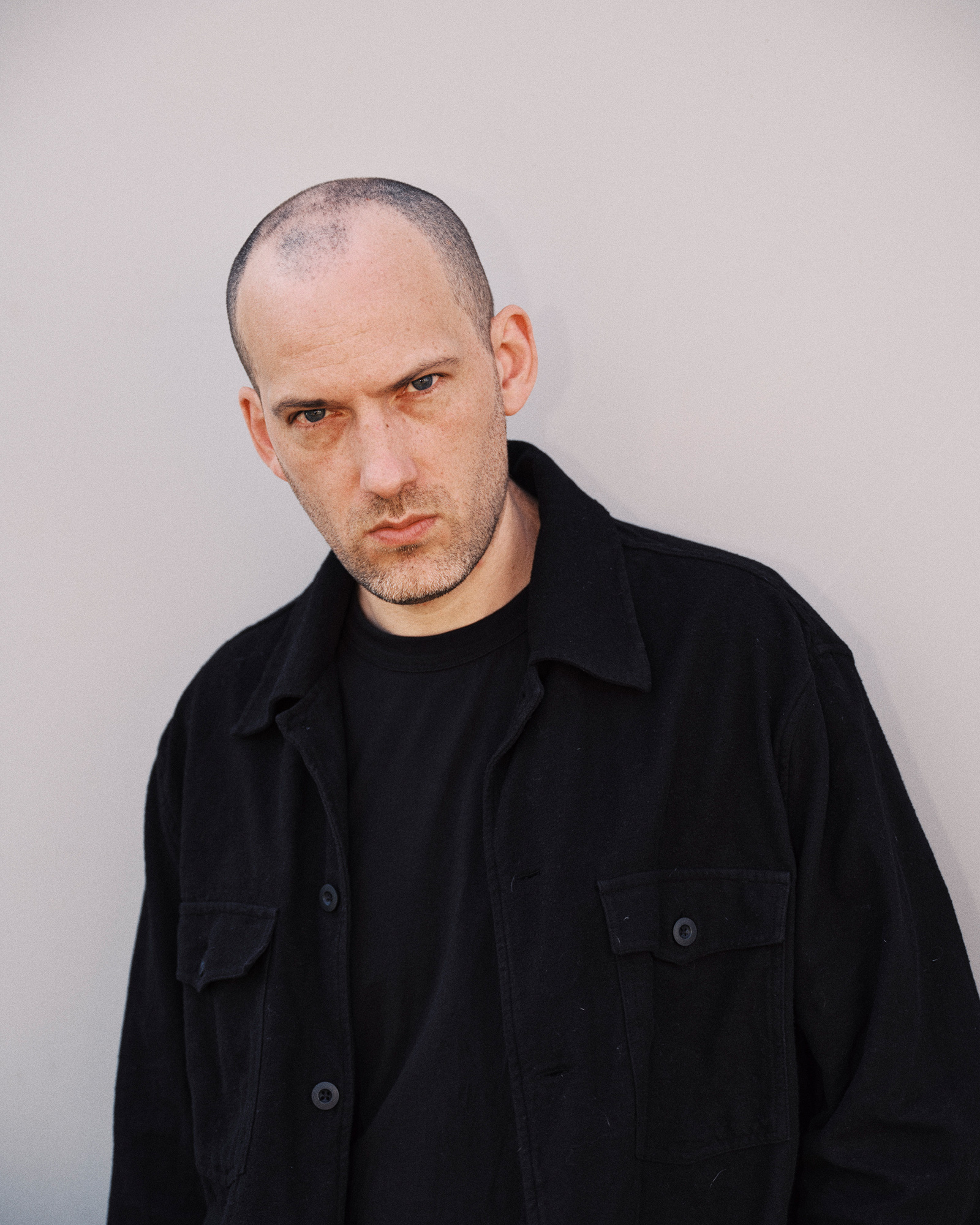
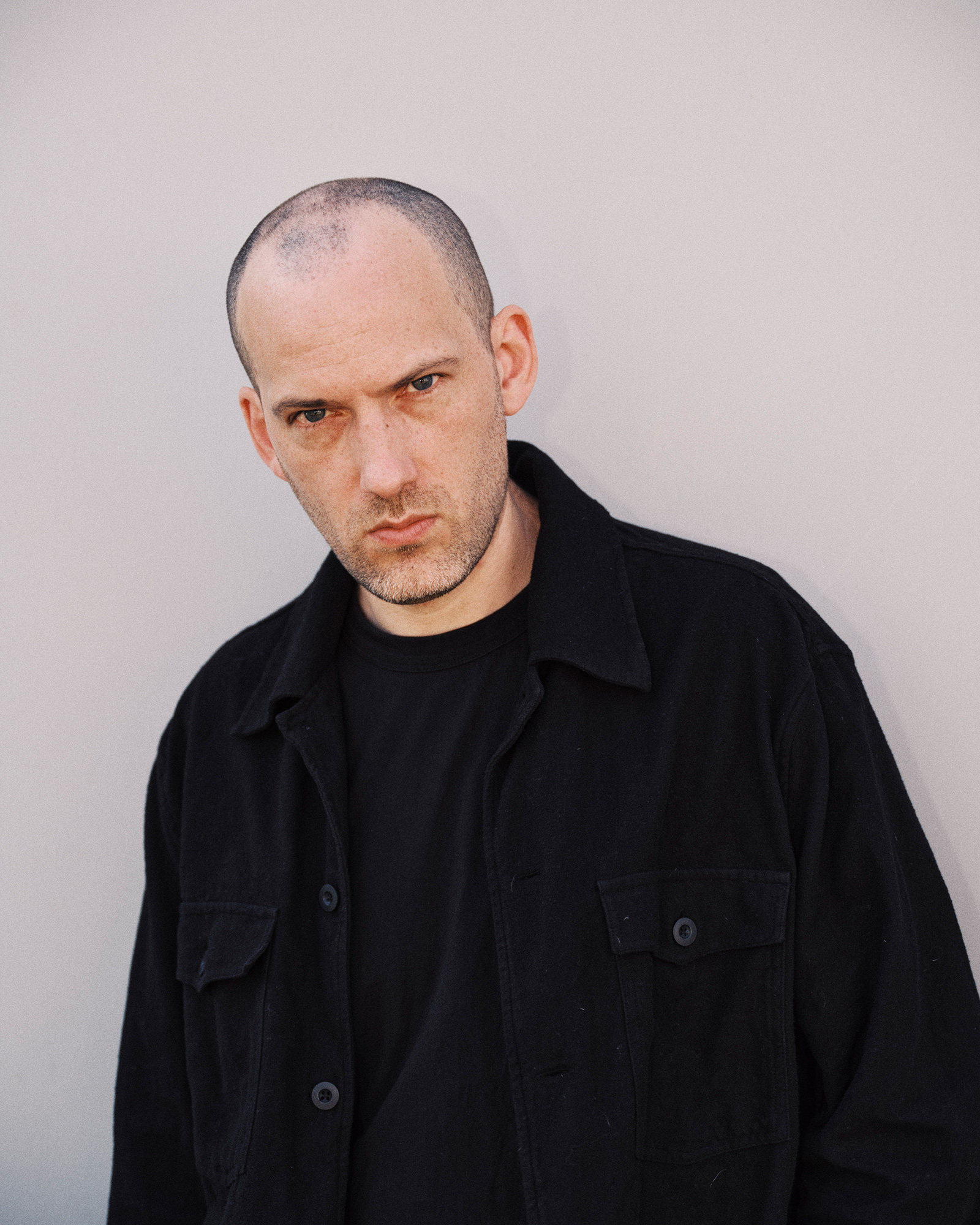
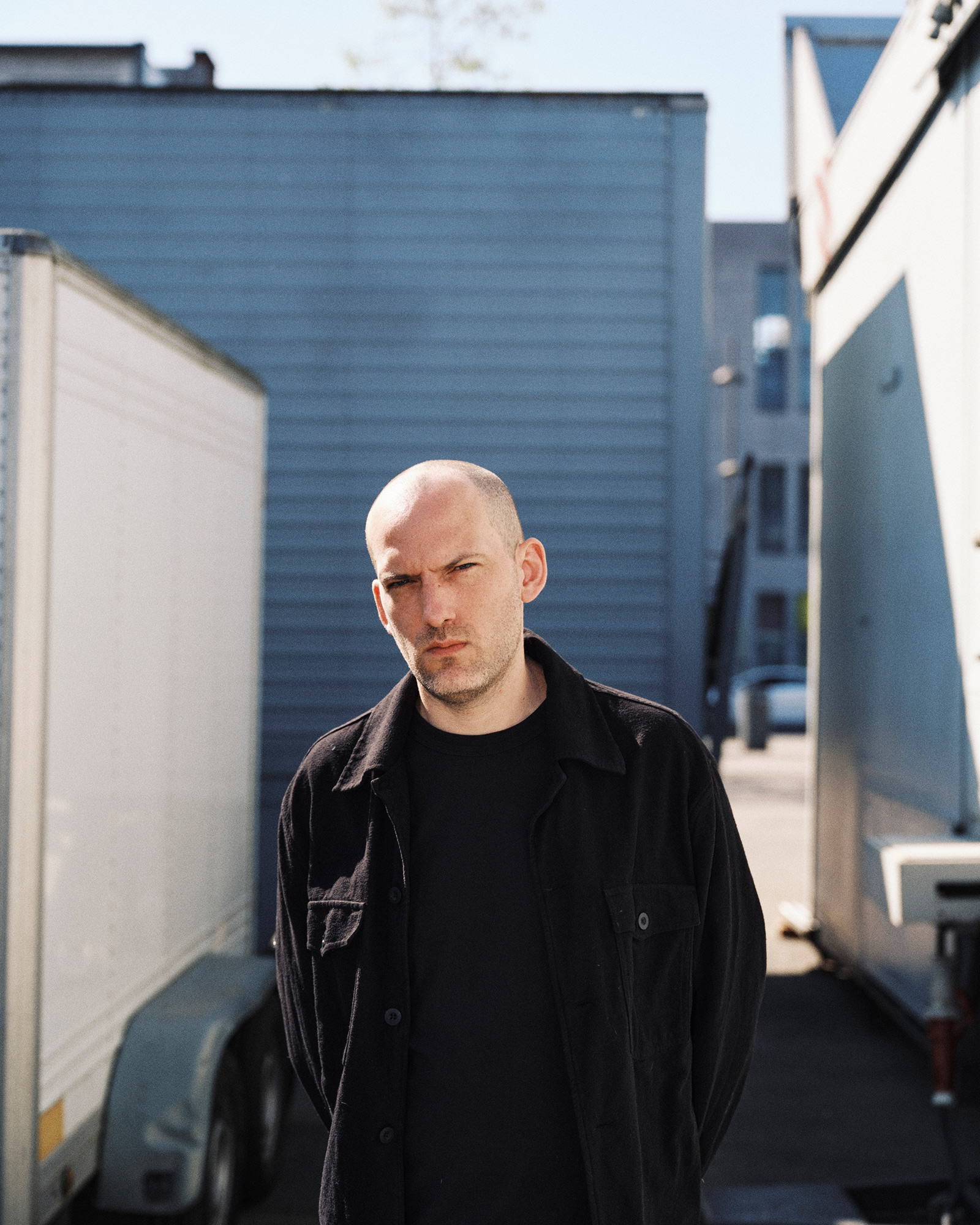
Only a few artists reinvent themselves as consistently as Guy Brewer, aka Carrier.
Your browser is no longer supported. For the best experience, please upgrade to the latest version of Chrome, Safari or Firefox
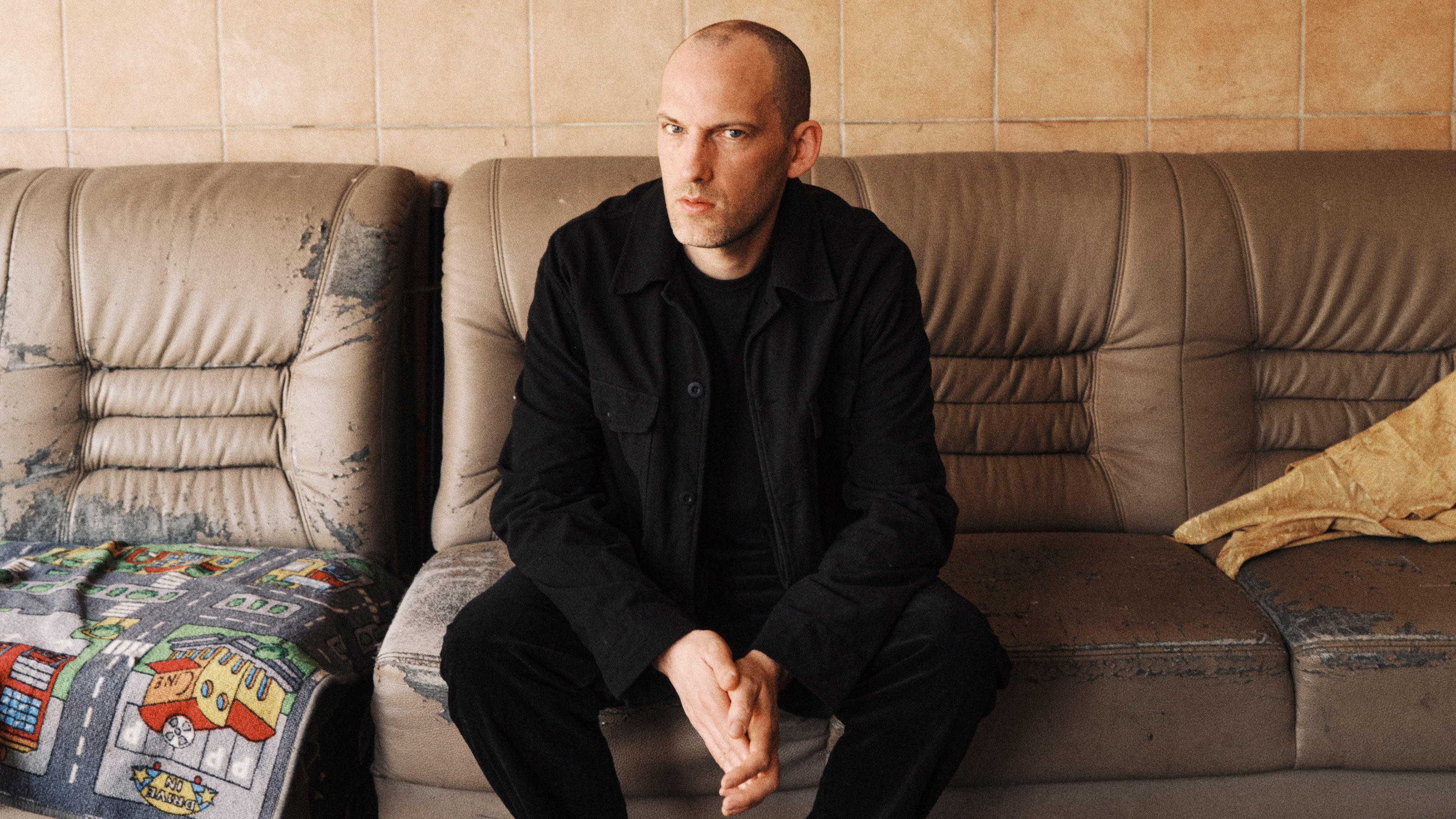
Only a few artists reinvent themselves as consistently as Guy Brewer, aka Carrier.
Born in London, he has spent the last three decades moving between scenes, sounds and identities, abandoning successful projects almost as soon as they have become comfortable. His first breakthrough came as a member of the duo Commix, the Cambridge-based drum & bass project he co-founded in the early 2000s. Blending liquid funk with jazz-inflected atmospherics, Commix quickly rose through the ranks, eventually signing to Goldie's Metalheadz label. Their 2007 debut “Call to Mind” remains a landmark release and is one of the very few full-length artist albums ever issued by the label.
Growing disenchanted with drum & bass, he turned towards techno, launching his unique Shifted project in 2011 alongside his very own Avian label. What followed was a decade of increasingly influential work: several acclaimed albums on his own imprint and labels like Hospital Productions, a move from London to techno city Berlin, and a global reputation for dense, textural club music that helped define techno's darker, more experimental edge. Outside Shifted, he built an entire ecosystem of aliases like Pacific Blue, Relay, delete_everything or Covered in Sand, exploring with every single one a different corner of his creative universe. He is also responsible for one of electronic music's most enduring pieces of criticism. In 2018, Brewer coined the term "business techno" on Twitter, a phrase that quickly escaped its original context and became part of the vocabulary of club culture, shorthand for the tension between underground values and commercial ambition.
By the early 2020s, his project Shifted had begun to feel like another creative constraint. When the Pandemic hit, and he relocated to Antwerp, Brewer created the new identity Carrier, launched in 2023 with the “Lazy Mechanics” cassette release on The Trilogy Tapes. Blurring the lines between dub, ambient, noise, techno and drum & bass, Carrier once again found Brewer operating in the spaces between genres rather than inside them. The reinvention reached a new peak in 2025 with “Tender Spirits”, Carrier's globally acclaimed debut album for the label Modern Love. Broadly praised for its emotional depth and refusal to settle into one style, the record expanded his audience beyond the worlds of techno and experimental electronics, earning some of the strongest reviews of his career and cementing Carrier as far more than a side project or post-Shifted alias. The constant throughout Brewer's career is not a particular sound but a refusal to repeat himself. While most artists spend decades refining a single identity, Brewer seems compelled to shed his every few years and start again.
For EDWIN MUSIC CHANNEL, he has now created a mix that leans – as he puts it - “into more of a techno sensibility while keeping that broken, polymetric feel”, featuring artists like Japanese producer YPY, London’s DJ Ojo, Italy’s techno master Donato Dozzy or Swedish trio Vanligt Folk. In the accompanying interview, he speaks about his early rave days, why he changed his creative alias again, the progress in contemporary electronic music and how his home base Antwerp inspires his creativity.
Q. When you started out in the 1990s and fell in love with electronic music, what was it like? What drew you in?
A. I was young. I discovered drum & bass around 15 or 16, so this would be 1995, 1996. I had always been into music, but this was the first thing that made me obsessive. A lot of it had to do with the cultural space that existed around me at that time. In my early teens, I was watching anime like “Akira” and movies like “Blade Runner”. And when I first got into drum and bass through Goldie's “Timeless” album, and then by extension through labels like Metalheadz and artists like Source Direct or Photek, it just blew my mind, because it felt like an extension of a lot of things I was already into. Manga, sci-fi, cyberpunk role-playing games, graphic novels, and computer games. It all felt like part of the same world. At that time, I started out just buying records, and it wasn't until I was around 20 that I started toying with trying to make music. It snowballed from there.
Q. Was there a club scene like today that displayed the sound you were into?
A. Not really, not on that kind of level like today. I was also too young to get into the bigger nights. I looked very young and had no chance of getting in. But when we started going into London around '98, I missed out on Blue Note, which was the iconic Metalheads night, but then they moved to Leisure Lounge, and my friends and I drove in a few times for the Sunday sessions. Fabric opened around 1999, so we were going there too. And Bagley's, which was around the back of King's Cross, that whole area's gentrified now, but it was just warehouses back then. I vividly remember going to a V Recordings night, Ed Rush and Optical, and it was just massive. I loved it.
Q. When you think of the innovation drum & bass brought in, do you believe such progress is still possible in electronic music today, or is it more recombination?
A. I think it is recombination. We get more subtle shifts now, little micro trends, micro scenes within the wider spectrum. But those huge leaps that happened back then were a combination of the culture, the pace at which technology was moving, the socioeconomic conditions - so many unquantifiable factors. Look at Berlin: the way techno was embraced there is a direct link to the Wall coming down, this sudden sense of freedom, all these spaces to explore. You can't recreate that now, especially in cities that have been fully commodified. You get these little micro shifts, but at that time, you were watching new areas unfold every six months. That is gone, I think.
Q. Your latest project, Carrier, is it reacting to the times, or was that always part of your practice?
A. There's no way of avoiding being influenced by and reacting to what is going on around you. Carrier was born out of a certain amount of frustration with what I had been doing before, searching for a feeling I had not felt in years. Something that touches something special and fresh again. I had been so engrossed in the techno scene with my Shifted project. And then I had this geographical move. I left Berlin and moved to Antwerp around the same time the pandemic hit. There was suddenly this very acute sense of isolation. At that time, a lot of people became inward-looking in a negative way, but for me, it gave me an opportunity to step back and think about what it was about electronic music that really excited me. I went back to a lot of those early drum & bass records, dub techno records, things that had this kind of aura around them, a halo. And I started examining what made those records special and trying to unshackle myself from a lot of things that had become the norm in my studio. Things I had been leaning on. The way drums are programmed. Listening to the way drum and bass producers used to program their breakbeats, this kind of naive sensibility that is somehow incredibly advanced and technical, but born out of limitation and a youthful excitement around exploration. That is what I tried to tap into with Carrier.
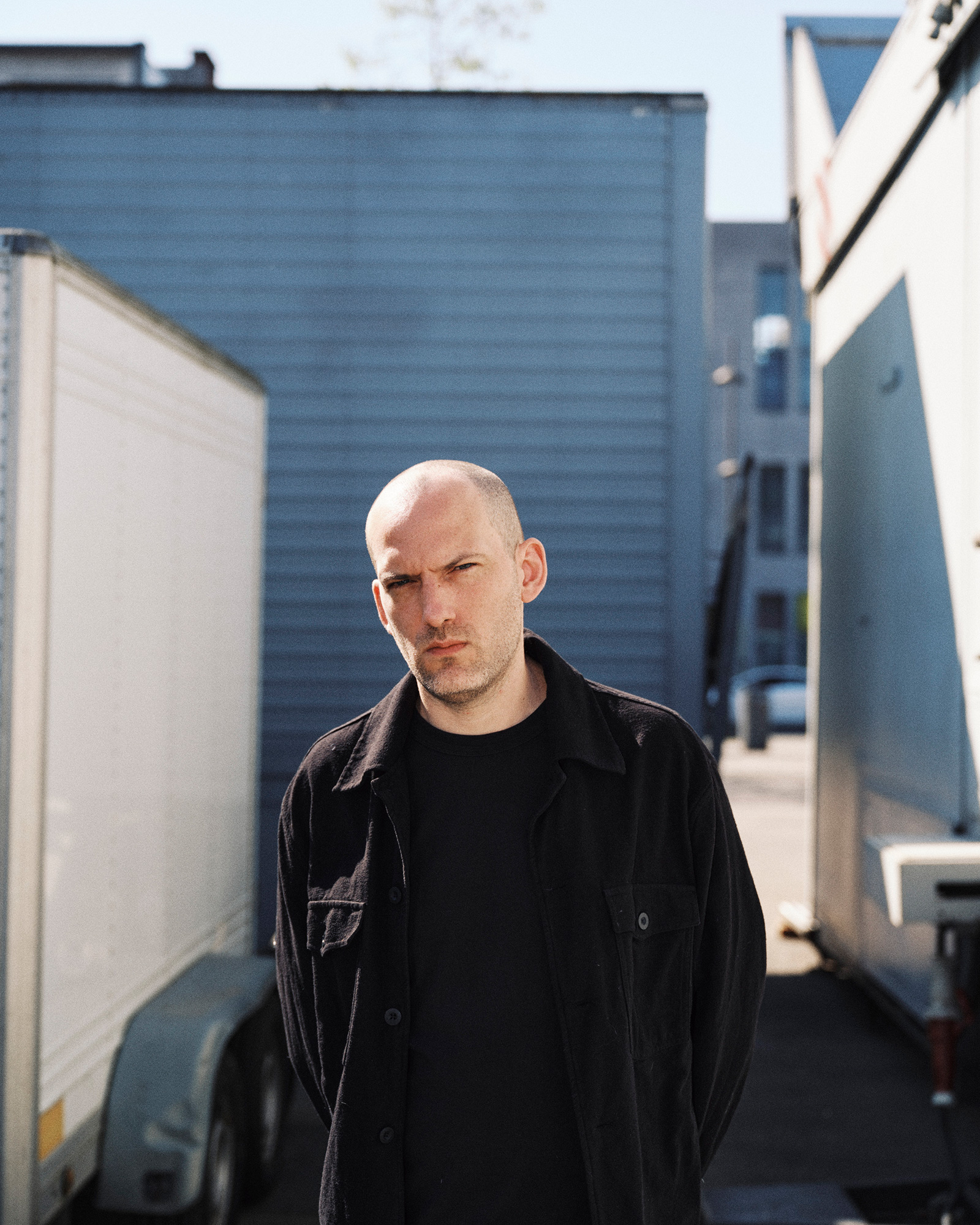
Q. How do you keep that naivety, that spontaneity, when you know your machines very well?
A. That's the hardest thing, not to over-engineer, not to over-produce, but also find that line where you sit in the middle. I quite often get to version 30 of something, and I am driving myself mad, and then I go back and listen to version 15 and realise the magic has been lost somewhere in between. So, I must step back. Sometimes I will have a beat for a year, and I won't be able to make the connection, and then all of a sudden, I will be working on something else, thinking this is fucking shit, but loving two sounds in it. Then I will try them over the beat I have been torturing myself with. It is a combination of happy accidents, persistence, and trial and error.
Q. Is persistence essential to an artistic practice?
A. Absolutely. Even though I have put distance between myself and my old projects, changed my name, put things in a box and buried them, there is still a line that runs through all my work. Even in things I was involved with only fifty percent, there is a part of myself I have carried through. It is hard to put my finger on what that is, but I know when things do not sound right or do not sound like me. The use of texture, resampling, and how I treat synthesisers and effects. It is the same throughout. Carrier just opened the palette. I started using a different brush.
Q. And how do you "brush"?
A. I am useless on a keyboard. I am really a mouse warrior. I will get a keyboard out and randomly hit something occasionally, but I am using sequencers. I am obsessed with finding new and unusual sequences, because I am not a musician. I am not a drummer. I know what I want to hear, but often I won't know what that is until I hear it. I think if I possess anything, it is good taste. And I am not shy about this. I am a fucking snob. I am. I wouldn't change that. It is about having one eye on the technical aspects and never losing your sense of personal approach and personal taste. Trying to do things for the right reasons. Not trying to fill a gap in the schedule. Just put stuff out when it is ready, when it feels right. Listening obsessively. And being able to switch between a very micro-focused view you have when you are writing and the macro view of the whole thing. Sometimes that requires time. Sometimes you need to put an idea on the shelf for weeks, months, even years, before you go back and realise you just needed to delete a couple of sounds, and now it's fine.
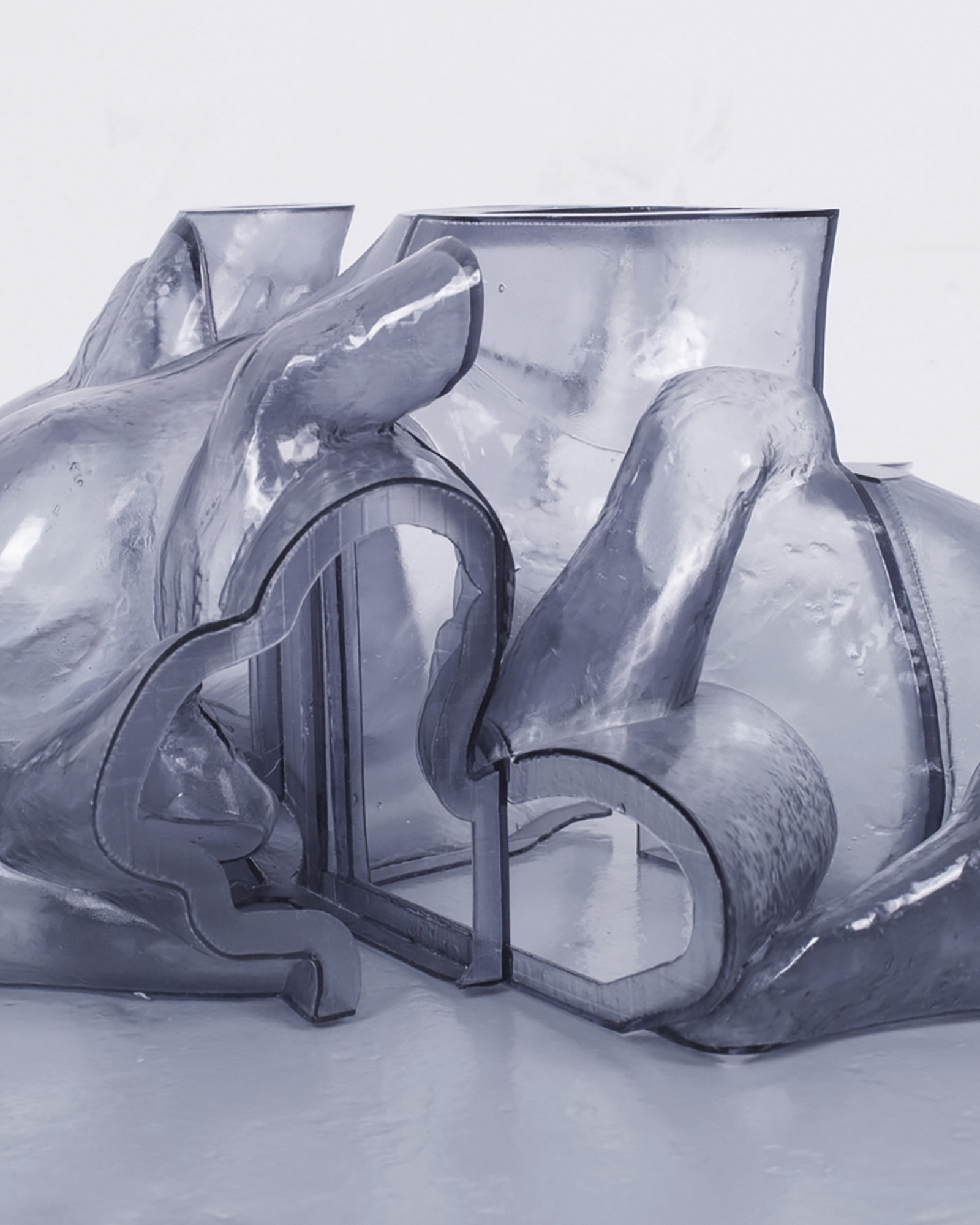
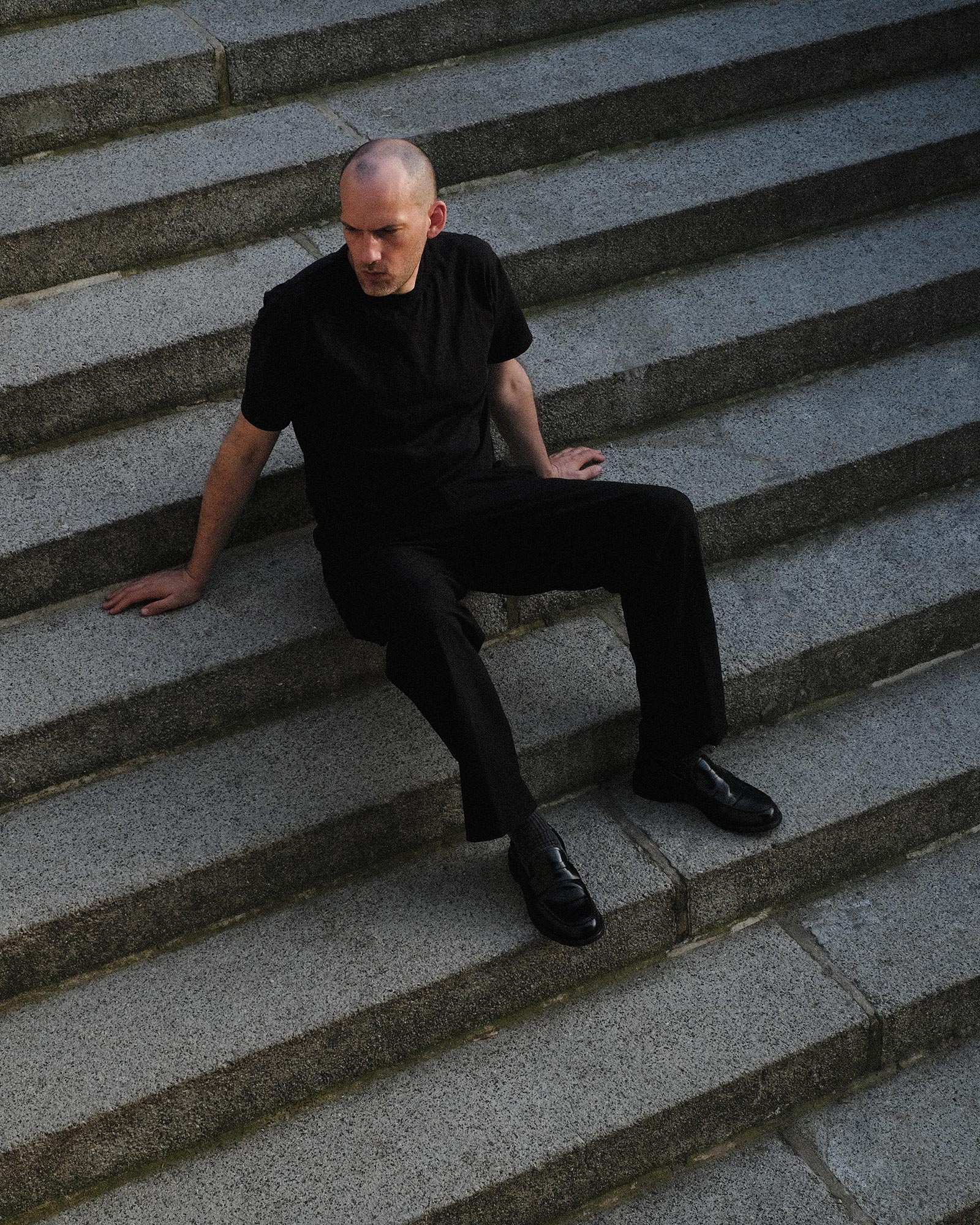
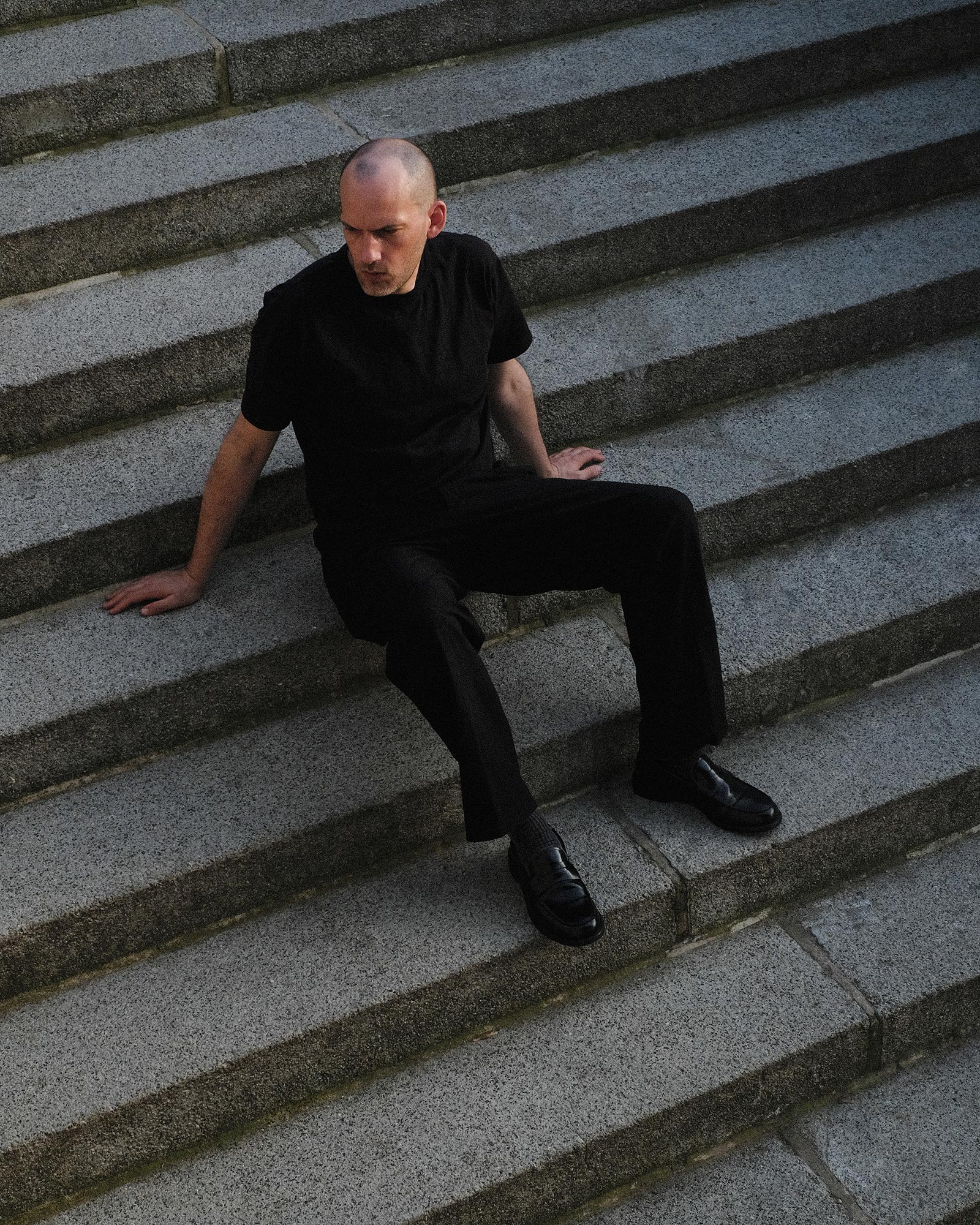
Q. You changed your name, changed the context you were operating in. How does it feel now that it has worked out?
A. I couldn't be any happier. I was miserable for quite some time. Very, very low. I remember when I came to the decision, I was sitting with agents from my former booking agency, and I told them what I was going to do, and they were all like, "Oh, you are stupid, don't do this, you are in your 40s, what do you think you are doing?" And I was just like, " No. Fuck this. You must follow your intuition and follow what feels right. I did not expect it to go how it is gone. I am stubborn, I won't pretend otherwise, but I think you need that. Not arrogance. A firm sense of self-belief in what you are doing and what you want to present. I feel now much like I did when I first started the Shifted project, that sudden sense of freedom after leaving drum & bass behind. I am privileged to be in this position. And it makes me very happy.
Q. Carrier isn't particularly dancefloor-focused, is it?
A. No. I don't think about DJs as much as maybe I should. I'm still a DJ myself, but I don't like most DJs, and I certainly don't make music thinking about them. You are right that there is still one foot in that world. It is an experimental-leaning project, left of centre for sure, but still very much influenced by things born on the dancefloor, particularly drum & bass. That's never going to leave.
Q. Why did you decide to release through Modern Love rather than your own labels?
A. I was already working with Shlom, who runs Modern Love, because he also runs Boomkat and does distribution for my label. I have been a huge fan of Modern Love for years. It started out as kind of a dub techno label, very influenced by things coming out of Berlin like Chain Reaction, and it morphed into a very different beast now. But it always had this dub sensibility. Some records are straight-up ambient, but it is always there. Very sparse. I am really a fan of concise catalogues where everything has its point. When I look back at my Shifted catalogue, I feel like someone handed you a nice red wine and then poured half a litre of water into it. I do not want that again. With Carrier, I only really want to work with Modern Love.
Q. Does Antwerp inspire you?
A. Very much. There is no big scene here, which is actually the point. I have a small group of friends, including my partner, who is on the couch over there. And it is a slower pace of life than Berlin. Less distraction, less of that stuff bleeding in and influencing you without you realising it. It took me a while to get used to it, but I do not think the Carrier project would have happened without the headspace it has given me.
Q. How is your take on the current electronic music landscape? Is it exciting to you?
A. In terms of what I am hearing, the number of new acts coming through is in an incredibly exciting place. The industry that surrounds it, perhaps less so. The wider geopolitical landscape is scary, to put it mildly. But the music itself is exciting. I don't think it has been in such an exciting place in a long time. Tools like Ableton have been so liberating to artists in places that could not afford a musical education or certain programs. You hear it from all parts of the world now. Finding your own way with it is everything.
Q. You are the host of our 150 Mix edition at EDWIN MUSIC CHANNEL? Is there a special narration in your mix?
A. A lot of my DJ sets and live performances clock in at faster tempos, even when they feel slower; there is a half-tempo thing that sits between 150 and 160 BPM for me. With this mix, I wanted to explore the slower end of that, leaning into more of a techno sensibility while keeping that broken, polymetric feel. You get the same push and pull, just in a different context. It's mostly artists I listen to at home. People I find inspiring and interesting.